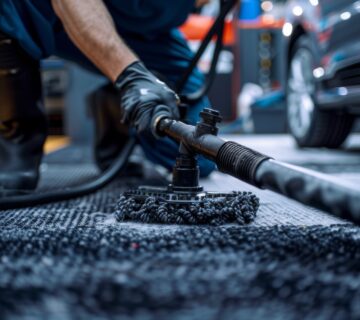
Let's be honest, the furniture in your office—from the sofas in the reception to the chairs in the conference room—is saying something about your business. It's often the very first thing a client sees and a constant part of your team's everyday environment. This is why professional commercial upholstery cleaning is much more than just a chore; it's a smart move for your company's image, health, and bottom line.
Why Clean Upholstery Is a Business Asset
Think about the impression you want to make. A grubby, stained sofa in your waiting area can immediately give off the wrong signal, suggesting a lack of care or attention to detail. On the other hand, fresh, clean, and well-maintained upholstery screams professionalism. It reinforces the quality of your brand before a single word is exchanged.
More Than Just a Pretty Surface
Looks aside, your upholstered furniture is also working like a giant fabric filter, trapping dust, pollen, and other airborne particles all day, every day. Just like the air filter in your building's ventilation system gets clogged over time, so do the fibres of your seating. And it's not just harmless dust.
Upholstery fibres can collect and harbour a wide variety of allergens, including dust mites, pollen, pet dander, and even mould spores. This accumulation directly impacts indoor air quality and can contribute to respiratory issues for employees and visitors.
Getting rid of these trapped pollutants is essential for a healthy workplace. After all, a clean environment has a direct link to the well-being and productivity of your staff.
Protecting Your Investment and Boosting Morale
Let's not forget that furniture is a major business expense. Over time, embedded dirt, body oils, and abrasive dust particles act like fine sandpaper on fabric. This leads to premature wear, fading, and damage. A regular, professional cleaning schedule is the best way to protect that investment, helping your furniture last longer and saving you from costly replacements down the line.
Ultimately, investing in a clean environment shows your team you care about their health and comfort. It helps build a positive workplace culture where employees feel genuinely valued. The benefits are clear and directly impact your business:
- Enhanced Brand Perception: Clean furniture makes a powerful first impression on clients and partners.
- Improved Indoor Air Quality: Removing trapped allergens creates a healthier space for everyone.
- Asset Longevity: Professional care prevents premature wear and tear on expensive furniture.
- Increased Employee Morale: A clean and hygienic office shows you care about your team's well-being.
A Look Inside The Professional Cleaning Process
Hiring a professional to clean your commercial upholstery is a world away from a quick scrub with a sponge and soapy water. It’s a highly methodical, technical service designed to get incredible results without putting your valuable furniture at risk.
Think of an experienced technician as a fabric doctor. Just as a doctor would never prescribe treatment without a proper diagnosis, a cleaning expert always starts with a thorough assessment of your furniture.
This first step is absolutely vital. The technician will identify the specific fabric type – whether it’s a tough synthetic, a delicate natural fibre like wool, or even premium leather. They’ll also assess its overall condition, making notes of any stubborn stains or areas that see a lot of wear and tear. This detailed analysis is what allows them to choose the safest and most effective cleaning strategy for your specific pieces.
Choosing The Right Treatment
Once the fabric has been properly identified, it's time to select the right cleaning method. This is a critical decision. Using the wrong approach can cause irreversible damage, such as colours bleeding, the fabric shrinking, or the texture being ruined. The two main methods you'll see professionals use are hot water extraction and low-moisture cleaning.
Seeing the process in action helps to understand just how experts can lift out those deep-set stains and grime.
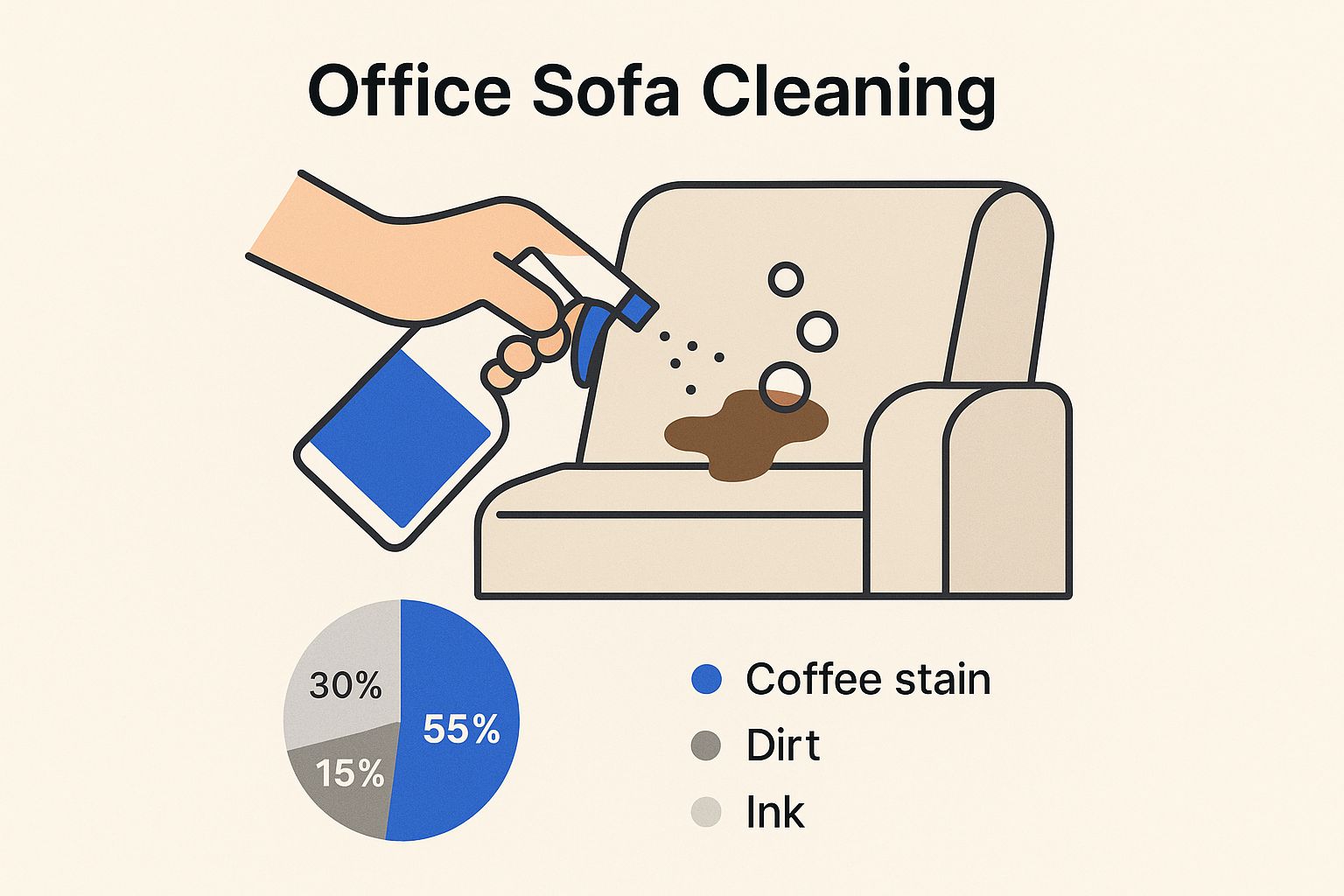
This image really captures the targeted approach we take, applying specialised solutions that break down stains at a molecular level before they're carefully extracted.
It’s no surprise that demand for these specialist services is growing. The UK's cleaning market is expanding quickly, and the commercial sector is a huge part of that, driven by the need for impeccable hygiene in hospitality, healthcare, and corporate offices. In fact, the UK carpet and upholstery cleaning market was valued at around £3.2 billion in 2022 and is set to grow significantly by 2030. It just goes to show how much businesses are relying on true professional expertise.
Comparing Upholstery Cleaning Methods
To really understand what you’re paying for, it helps to know the different tools in a professional’s toolbox. Each method serves a specific purpose, and choosing the right one is the key to a flawless finish.
| Cleaning Method | Best For | Drying Time | Key Advantage |
|---|---|---|---|
| Hot Water Extraction | Deep cleaning heavily soiled, durable fabrics like polyester or nylon. | 4-12 hours | Incredibly thorough; removes deep-set dirt, allergens, and bacteria. |
| Dry Foam Cleaning | Water-sensitive fabrics like velvet or natural fibres that may shrink. | 1-2 hours | Very low moisture, reducing the risk of fabric damage and mould. |
| Solvent-Based Dry Cleaning | Extremely delicate materials like silk or certain vintage textiles. | Less than 1 hour | No water is used, making it the safest option for non-colourfast items. |
| Bonnet Cleaning | A light, interim clean for low-pile commercial fabrics. | 1-2 hours | Fast and cost-effective for maintaining appearance between deep cleans. |
The real value of hiring a professional is their ability to match the right chemistry and equipment to your exact fabric. This is what prevents damage and guarantees a deep, lasting clean that DIY methods just can't match.
A Closer Look At Key Techniques
Let's dive a little deeper into the most common methods.
Hot Water Extraction (Steam Cleaning): This is the powerhouse of deep cleaning. It works by injecting a high-pressure mixture of hot water and a specialised cleaning solution deep into the upholstery fibres. A powerful vacuum then extracts all the dislodged dirt, allergens, and moisture in one go. It’s exceptionally good for hard-wearing fabrics that have seen better days. The same core principles of powerful extraction are used in our professional carpet cleaning services too.
Low-Moisture Cleaning (Dry Cleaning): This is the go-to method for more delicate fabrics like silk or materials that don't react well to water. It uses very little liquid. Instead, specialised cleaning compounds or foams are applied to attract and encapsulate dirt particles, which are then simply vacuumed away. The biggest plus here is the incredibly fast drying time, meaning furniture is often ready to use again in just a couple of hours.
From powerful extractors to professional deep cleaning machines like the Bissell Biggreen, having the right tools is half the battle. This meticulous, expert-led process ensures your furniture isn’t just visibly cleaner, but hygienically restored—protecting your investment and creating a much healthier environment for everyone.
Key Benefits of Professional Cleaning Services
Thinking about whether to hire a professional for your commercial upholstery cleaning or just handle it in-house? It's a decision that goes far beyond simply saving a bit of time. Choosing an expert service is actually a smart business move with real, tangible returns that affect everything from your bottom line to the health and well-being of your staff. The advantages are clear, measurable, and essential for any modern business.
Extend The Lifespan Of Your Assets
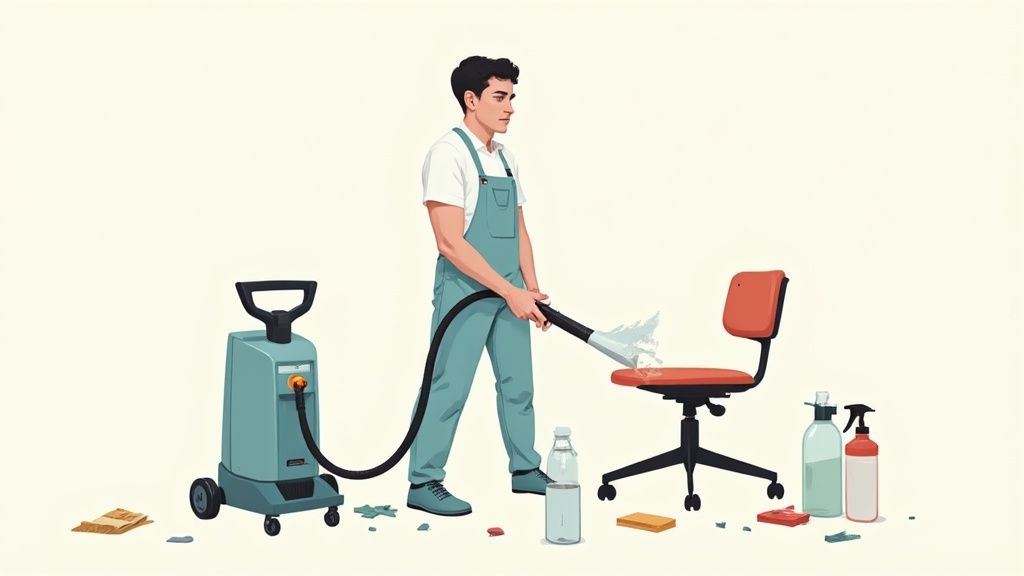
Let's face it, high-quality office furniture is a significant investment. Day in and day out, tiny, abrasive particles of dirt and dust get ground deep into the fabric. You can't see it, but this grit acts like sandpaper, slowly causing wear, thinning, and fading every single time someone takes a seat.
A professional clean isn’t just a quick wipe-down; it's a deep extraction process. By safely removing all those damaging particles, you actively prolong the lifespan of your furniture. This pushes back the need for expensive replacements and protects your initial investment for years to come. Think of it as essential maintenance for one of your most visible business assets.
Access Superior Equipment And Expertise
The real difference between a professional clean and a DIY job comes down to two things: the tools and the knowledge. Professionals bring industrial-grade equipment and specialised, commercial-strength cleaning solutions that you simply can't buy off the shelf. These powerful machines deliver a much deeper, more thorough clean.
This expertise is especially vital when you're dealing with various types of fabric. An experienced technician can instantly identify different materials and apply the exact cleaning method needed. This ensures a perfect result without risking damage like shrinkage or colour bleeds. It's this targeted approach that forms a core part of our commercial cleaning services, guaranteeing both safety and effectiveness.
By outsourcing this critical task, you not only ensure superior results but also free up your internal teams to focus on core business operations, boosting overall productivity and efficiency.
Create A Healthier And More Professional Environment
Your upholstery acts like a giant filter, trapping allergens, bacteria, and pollutants right out of the air. Regular professional cleaning is one of the most effective ways to improve your workplace's indoor air quality, which can lead to a noticeable reduction in staff sickness and a welcome boost in productivity.
A pristine environment also sends a powerful message. Clean, fresh-smelling furniture enhances your company’s image, showing clients, partners, and employees that you’re committed to quality and professionalism. It's a detail people notice. This growing awareness is reflected across the industry, with the UK's contract cleaning market valued at a massive £12.7 billion in 2023 and only expected to keep growing.
How to Choose the Right Cleaning Partner
Choosing a partner for your commercial upholstery cleaning is a big decision. It directly impacts your business's appearance, the health of your space, and, of course, your budget. With literally thousands of cleaning companies out there, it’s vital to look beyond a simple price quote and find a true professional who will protect your investment.
Think of it like hiring any other critical specialist. You wouldn't let an uncertified electrician rewire your office, would you? The same principle applies here. The right partner has the know-how to handle different fabrics, the proper equipment for a deep clean, and the professionalism to work around your schedule.
Verifying Credentials and Experience
Before you sign on the dotted line, a bit of due diligence is essential. A reputable company will be completely transparent and more than happy to show you their qualifications. Don't be shy about asking for specifics – this is your first step in weeding out the amateurs.
Start by checking for two absolute non-negotiables:
- Comprehensive Insurance: Make sure they hold public liability and treatment risk insurance. This protects your business and your furniture in the rare event that something goes wrong.
- Industry Certifications: Look for technicians certified by recognised bodies like the National Carpet Cleaners Association (NCCA). This is your proof that they’ve been properly trained and are up-to-date with the latest standards.
This vetting process is more important than ever. The UK cleaning industry is huge, with 75,565 companies recorded in 2023, but it's also facing skilled labour shortages. Checking for proper training ensures you get a high-quality service from someone who knows what they're doing. You can find out more about UK cleaning industry statistics and trends.
A detailed, itemised quote is a sign of a professional and transparent company. Vague or lump-sum pricing can hide unexpected costs, so always ask for a clear breakdown of the services included.
Key Questions to Ask Potential Partners
Once you have a shortlist, asking the right questions can tell you everything you need to know about their quality and reliability. A real professional will welcome your questions and give you clear, confident answers.
Here are a few essential questions to guide the conversation:
- Can you provide case studies or references from businesses similar to mine? This helps you gauge their experience in your specific sector, whether you're in hospitality, healthcare, or a corporate office.
- What is your process for identifying fabric types and choosing a cleaning method? Their answer should show a clear understanding of fabric safety and why a one-size-fits-all approach just doesn't work. You can learn more about our specific methods for upholstery cleaning.
- What is your scheduling availability and policy for working after hours? A flexible partner will work with you to keep disruption to your business at an absolute minimum.
By taking these steps, you can confidently select a commercial upholstery cleaning partner who will deliver fantastic results, protect your investment, and become a trusted ally in maintaining your professional image.
Maintaining Upholstery Between Professional Cleans
A professional deep clean is a powerful reset, but it's the daily habits that truly preserve the fresh, clean look of your commercial furniture. Putting a simple maintenance routine in place can dramatically extend the benefits of a commercial upholstery cleaning service, protecting your investment and keeping your space pristine.
Think of it like car maintenance. You take your car for its annual service (the professional clean), but you still wash it and check the oil regularly to keep it in top condition. The same logic applies to your valuable upholstery. These small, consistent efforts really do make a huge difference.
Building a Simple Maintenance Schedule
Consistency is the key. You want to prevent the build-up of abrasive dirt and dust that can wear down fabric fibres over time. A proactive approach is always going to be more effective than a reactive one.
Your interim maintenance plan should have three core elements:
-
Routine Vacuuming: This is your first line of defence. Schedule a weekly vacuuming of all upholstered surfaces. Make sure to use a soft brush attachment to avoid snagging the fabric. This simple step lifts surface dust, crumbs, and allergens before they have a chance to get ground in.
-
Immediate Spill Response: Accidents happen, especially in a busy commercial space. The trick is having a clear plan. Act quickly to blot—never rub—the spill with a clean, dry cloth to absorb as much liquid as you can.
-
Cushion Rotation: For any sofas and chairs with loose cushions, get into the habit of rotating and flipping them every few weeks. This simple action promotes even wear, preventing certain spots from looking faded or worn down while others still look brand new.
For those minor spills and everyday marks, your own staff can make a big impact. Understanding some effective methods for stain removal can significantly extend the life and appearance of your upholstery between professional visits.
Smart Practices for Long-Term Care
Beyond the weekly schedule, a few smart policies can further protect your furniture. For instance, try to position furniture away from direct sunlight, as UV rays can cause the fabric to fade over time.
Proactive maintenance doesn't just keep your upholstery looking good; it actively reduces the frequency needed for deep professional cleans, delivering a direct cost saving for your business over the long term.
For businesses looking to handle minor upkeep in-house, our guide on how to clean upholstery at home offers more great tips that can easily be adapted for a commercial setting. These small but consistent actions ensure your space always reflects the high standards of your brand.
Common Questions About Upholstery Cleaning
When you're thinking about bringing in a professional service for your business, practical questions around scheduling, safety, and cost are always front and centre. Getting your head around the logistics of commercial upholstery cleaning helps you plan properly and make sure you're getting the best value. Let’s tackle some of the most common questions business owners ask.
How Often Does Business Furniture Need Cleaning?
There’s no single answer that fits every business. The right frequency for cleaning your commercial upholstery really depends on how much it’s used. It all comes down to foot traffic and the type of environment you have.
A good rule of thumb is to look at your specific situation:
- High-Traffic Areas: A busy hotel lobby, a popular restaurant, or a clinic waiting room will naturally need more attention. For these spaces, scheduling a professional clean every 3-6 months is a smart move to keep everything looking great and hygienic.
- Moderate-Traffic Areas: For a typical corporate office or a retail shop with steady but not overwhelming use, a deep clean every 12-18 months is usually enough to keep the furniture in top condition.
- Specialised Environments: Healthcare facilities, of course, are a different story. They run on their own strict cleaning schedules, driven by stringent hygiene rules to ensure patient safety.
Will The Cleaning Process Disrupt Our Business?
This is a huge concern for any manager, but the simple answer is no—not when you hire a professional. Any reputable cleaning company knows you can’t afford to shut down your operations.
The real advantage of hiring an expert is their flexibility. Most professionals offer after-hours and weekend appointments, specifically to work around your business hours. This means the cleaning gets done when your premises are quiet.
Modern cleaning technology also plays a massive part. Advanced low-moisture cleaning techniques slash the drying times. In many cases, furniture is completely dry and ready for use again in just a few hours, not days. This means you can be back to business as usual the very next morning.
Is Professional Cleaning Safe For All Fabrics?
Absolutely, but only in the hands of a properly trained and experienced technician. The foundation of any professional service is a detailed fabric assessment that happens before a single drop of cleaning solution is used. This is far from a "one-size-fits-all" job.
An expert will first identify the exact material—whether it's a tough synthetic like polyester, a delicate natural fibre like wool, or something specialised like leather. This diagnosis dictates the precise cleaning solutions and methods that will be both safe and effective. They use pH-balanced, non-damaging agents to protect the integrity, colour, and texture of your specific fabric.
How Is Commercial Cleaning Different From Home Cleaning?
While the end goal is the same—clean furniture—the scale, equipment, and challenges are worlds apart. Commercial upholstery cleaning is a much more powerful and demanding process.
The main differences come down to a few key areas:
- Equipment Power: Professionals use industrial-grade, high-powered extraction machines. These deliver far superior suction and a deeper clean than any machine you could buy for your home.
- Cleaning Solutions: The cleaning agents are formulated to tackle commercial-grade stains and the heavy soiling you find in high-traffic environments.
- Technician Expertise: Commercial technicians are trained to handle a huge variety of fabrics and stains, working efficiently and safely to get consistent results across large volumes of furniture.
For anyone interested in general upholstery care, this ultimate guide to cleaning your couch has some fantastic tips. However, when it comes to the demands of a business setting, a specialist approach is essential. If you have more specific questions about what your business needs, you can get in touch with our expert team for a personalised chat.