
Setting Yourself Up for Deep Cleaning Success
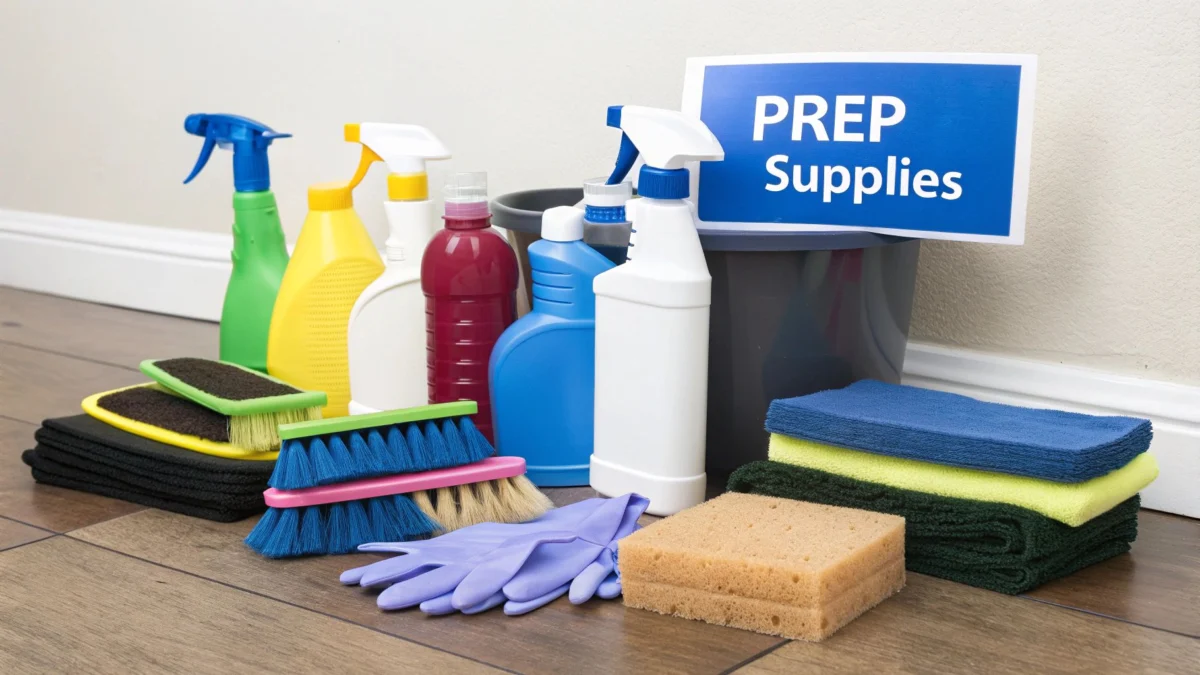
Ask any seasoned pro, and they'll tell you the secret to a fantastic carpet transformation isn't just about the machine. The real work—and the best results—comes from what you do before any cleaning solution even touches the carpet. Just diving in with a machine is a rookie mistake that almost always leads to a disappointing finish. Mastering how to deep clean carpets at home is all about laying the proper groundwork. This prep work is what makes the difference between a quick surface clean and a genuinely deep, restorative one.
The desire for a truly clean home is on the rise. In 2021, the UK cleaning industry was valued at a massive £59.8 billion, with carpet care being a huge slice of that pie. It's a sign of a bigger shift; even 40% of people under 35 now hire cleaners, showing a real appreciation for a professionally kept home. You can read more about these trends in the latest UK cleaning industry statistics. It goes to show just how much we value a properly cleaned carpet, whether we do it ourselves or call in an expert.
Crafting Your Cleaning Game Plan
Before you even plug anything in, spend a few minutes thinking about your workflow. This isn’t about being overly rigid; it’s about working smarter so you don’t have to work harder.
- Clear the Decks: Get as much furniture out of the room as you can. For big, heavy items like the sofa or a bookcase, furniture sliders are a lifesaver for your back and your floors. This gives you a clear, open space to work with.
- Create a Cleaning Path: Figure out your route before you start. Always begin in the corner furthest from the doorway and work backwards towards the exit. This simple bit of planning means you won't have to step on the damp carpet you've just cleaned.
- Ventilation is Key: Throw open the windows and doors to get a good cross-breeze going. If you have a fan or a dehumidifier, now is the time to use it. This will seriously speed up the drying process and, crucially, help prevent any musty smells or mould from setting in.
The Power of a Thorough Pre-Clean
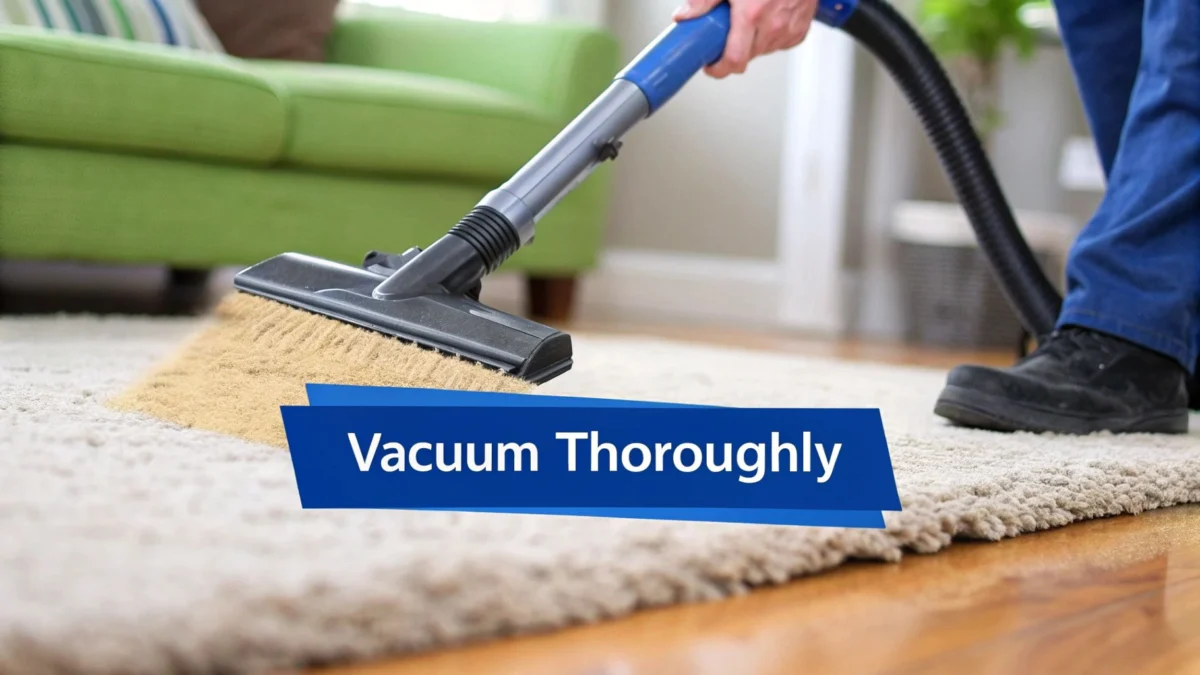
Your everyday vacuum cleaner is your best friend during this prep stage. A quick once-over simply won't cut it, though. For a proper deep clean, you need to be methodical. Vacuum the entire carpet slowly, first going in one direction, then again at a 90-degree angle to your first pass. This back-and-forth action lifts the carpet pile and pulls up all the stubborn dry soil, dust, and grit that's been ground in over time.
You'll be surprised by how much extra dirt this technique picks up. By getting rid of all this dry debris first, you're allowing your cleaning machine and solution to focus on the real task: lifting out stains and deep-seated grime, instead of just turning loose dirt into mud. While a DIY job is satisfying, looking at the benefits of professional carpet cleaning services can give you a great idea of the pristine results you should be aiming for.
Equipment That Actually Gets Results (Without Breaking the Bank)
Now that you've done the essential prep work, it’s time to talk about the gear. It's easy to feel a bit lost in the sea of gadgets and gizmos marketed for carpet cleaning. The good news is you don't need the most expensive machine to get a fantastic, professional-looking finish. Knowing how to deep clean carpets at home is less about having the priciest kit and more about choosing the right tools for your specific situation.
To Buy or to Hire?
This is the big question for most people: should you purchase a carpet cleaner or just hire one for the day? Buying your own machine, which can cost anywhere from £150 to £400 for a reliable domestic model, is a brilliant investment if you have a busy home with pets or children. It means you can deep clean a few times a year and tackle spills as they happen, all on your own schedule.
On the other hand, hiring a professional-grade machine makes perfect sense for a big annual deep clean or if you have a smaller home with less carpeted area. You get the benefit of a powerful commercial unit without the storage hassle or the bigger upfront cost. Many local DIY shops and supermarkets offer hires for around £25-£40 per day. Just remember to factor in the price of the cleaning solutions, as they are usually sold separately.
While hiring is great for a one-off deep clean, if you're curious about the kind of finish the professionals get, it's worth looking into local services. Reading about the results from expert carpet cleaning services in Cheltenham can give you a great benchmark for what's achievable.
To help you decide, let's break down the common equipment options available for home use.
Home Carpet Cleaning Equipment Comparison
A comprehensive comparison of carpet cleaning tools including cost, effectiveness ratings, and best use cases for different carpet types.
| Equipment Type | Average Cost | Effectiveness Rating | Best For | Pros | Cons |
|---|---|---|---|---|---|
| Upright Carpet Cleaner (Purchase) | £150 – £400 | ★★★★☆ | Frequent cleaning, homes with pets/kids, larger carpeted areas. | Convenient for regular use, tackles spills immediately, cost-effective long-term. | Requires storage space, initial investment is higher, less powerful than professional units. |
| Professional Machine (Hire) | £25 – £40 per day | ★★★★★ | Annual deep cleans, tackling heavily soiled carpets, smaller homes. | Superior cleaning power, no storage needed, low cost for one-off jobs. | Inconvenient for sudden spills, recurring costs can add up, availability can be an issue. |
| Carpet Spot Cleaner (Purchase) | £80 – £150 | ★★★☆☆ | Quick clean-ups of small stains, stairs, car upholstery. | Compact and easy to store, excellent for targeted cleaning. | Not suitable for cleaning an entire room, less powerful suction. |
| Manual Cleaning (Brush & Solution) | £10 – £20 | ★★☆☆☆ | Very small, fresh stains on low-pile carpets. | Extremely cheap, requires no electricity or storage. | Labour-intensive, can leave carpets overly wet, ineffective on deep-set dirt. |
Ultimately, choosing between buying and hiring comes down to your lifestyle and how often you see yourself needing to deep clean. For a family with a dog running in and out, buying is a no-brainer. For a single person in a flat, a yearly hire is probably all you'll ever need.
Essential Tools Beyond the Machine
Whichever route you take, a few extra items will make the job much easier and more effective. Think of these as your essential support crew:
- A Stiff-Bristled Brush: This is a lifesaver for working pre-treatment solutions into stubborn, heavily soiled spots or high-traffic areas. It mechanically loosens the ingrained dirt that a machine’s brushes might not fully lift.
- Buckets: You’ll want at least two—one for mixing your clean water and solution, and another for emptying the dirty water from the machine. This simple step prevents cross-contamination and keeps the whole process more organised.
- White Cloths or Towels: Always use white cloths for blotting stains and, crucially, for testing your cleaning solution on a hidden patch of carpet first. If any colour transfers to the white cloth, you know the solution is too harsh for your carpet.
- A Good Quality Cleaning Solution: Don't be tempted to cheap out here. Choose a solution that is recommended for your machine and, importantly, is safe for your carpet material. There are many fantastic eco-friendly options available that are just as effective and much safer for homes with children and pets.
The Deep Cleaning Process That Transforms Carpets
With your room clear and your equipment at the ready, you can get started on the truly satisfying part: bringing your carpet back to life. This isn't just about slopping water around and hoping for the best. The real secret to a professional-level deep clean at home is all in the technique.
Mastering Your Cleaning Technique
You’ll want to forget about speed here. A slow and steady approach is what gets results.
- Work in Sections: To stay organised and make sure you cover every inch, mentally divide the room into small, manageable grids. Think one square metre at a time. This stops you from getting lost and missing patches.
- The Multi-Pass Method: For each little section, start by pressing the trigger to release the warm water and cleaning solution as you push the machine forward slowly. When you reach the end of your pass, release the trigger and pull the machine back over the exact same spot, just as slowly. This second pass is purely for suction, and it’s a crucial step. I always do a second extraction-only pass to pull up as much water as possible before I move on. Overlap each strip by about a third to avoid those tell-tale cleaning lines.
- Focus on High-Traffic Zones: The main walkway from the sofa to the kitchen or the patch just inside the front door will have seen a lot more action. I’d recommend giving these grimy areas an extra wet-and-dry pass to help loosen up all that compacted dirt.
Getting the Solution Right
Using the right amount of cleaning solution at the correct temperature is more important than you might think. Too much soap leaves behind a sticky film that actually attracts more dirt later on. On the flip side, water that’s too hot can damage delicate fibres, especially in wool carpets. Always stick to the manufacturer’s instructions for both your machine and the cleaning concentrate. Sometimes, a simple homemade solution can be just as effective.
This infographic shows a great recipe for a DIY cleaning solution that I've used myself.
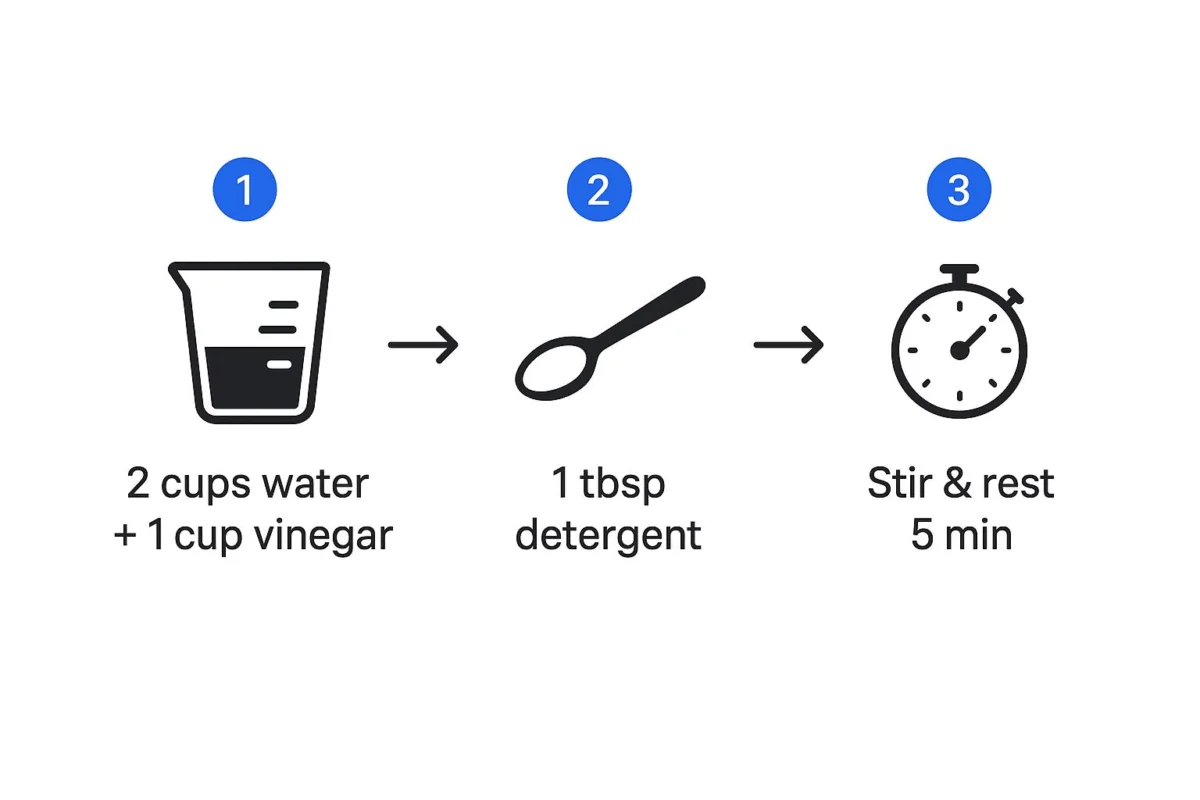
The combination of vinegar’s natural acidity and the cleaning power of a good detergent works wonders on everyday household grime without needing any harsh chemicals.
It’s this accessibility to better equipment and effective methods that has helped the carpet cleaning industry grow. The UK carpet cleaning sector generated over £3.2 billion in 2022, and that figure is expected to reach £4.8 billion by 2030, driven by quieter machines and better detergents. You can read more about these trends in the latest market outlook. Of course, if you'd rather leave it to the experts, exploring options like professional deep cleaning services is always a good idea. Ultimately, a successful clean comes down to patience and paying attention to the details, ensuring every part of your carpet gets the care it deserves.
Conquering Stubborn Stains Like a Professional
Even after you've given it your all with the carpet cleaner, some stubborn spots might decide to hang around, almost like they're mocking your hard work. Every carpet tells a story through its battle scars—the ghost of a spilled red wine, a muddy paw print from a rainy Tuesday, or that mystery mark no one will fess up to. Knowing how to deep clean carpets at home properly isn't just about the big machine; it's about knowing how to wage war on these specific stains. This is where you need to be smart, not just scrub harder, because what works for a greasy pizza stain will do nothing for an ink blot.
The secret is understanding the chemistry of the stain. For instance, organic stains from things like coffee or pet accidents need an enzymatic cleaner. These cleaners are brilliant because they contain active enzymes that literally digest the proteins in the stain, removing it entirely instead of just masking it. On the flip side, if you're tackling something greasy or oily, you'll need a solvent-based spot remover that can break down and dissolve the fats. Using the wrong cleaner is a recipe for frustration and can sometimes set the stain permanently.
Real-World Stain Scenarios
Let’s walk through a classic household nightmare: the red wine spill. Your first instinct might be to panic and scrub frantically, but that’s the worst thing you can do. Rubbing just grinds the stain deeper into the carpet fibres. The correct first move is to gently blot with a clean, dry, white cloth to soak up as much of the wine as you can.
Once you’ve blotted, you can start treating the stain. Here are a few tips for common culprits:
- Pet Accidents: After blotting a fresh accident, spray it with a solution of one part white vinegar to one part water. The vinegar is great for neutralising the ammonia. Afterwards, follow up with a good enzymatic cleaner to break down the uric acid that causes those lingering smells.
- Coffee and Tea: Blot the spill immediately. A simple mix of washing-up liquid and white vinegar in warm water, applied carefully and blotted dry, can work wonders on these tannin stains.
- Grease and Oil: Don't reach for water first; it will only spread the grease. Instead, generously sprinkle bicarbonate of soda or cornflour over the stain. Let it sit for a few hours to absorb the oil, then vacuum it all up. You can then treat any leftover mark with a solvent-based cleaner.
To help you choose the right approach, here’s a quick guide for tackling some of the most common household carpet stains.
Stain Removal Guide by Stain Type
Specific cleaning methods, required products, and success rates for different types of common carpet stains
| Stain Type | Best Cleaning Method | Required Products | Treatment Time | Success Rate |
|---|---|---|---|---|
| Red Wine | Blot, apply salt or a commercial wine remover, then blot again. | Salt, white cloth, club soda, or a specialised wine stain remover. | 10-15 minutes | High, if treated quickly. |
| Coffee/Tea | Blot with a dry cloth, then apply a mix of vinegar, water, and washing-up liquid. | White vinegar, washing-up liquid, warm water. | 5-10 minutes | Very High |
| Pet Urine | Blot, spray with vinegar/water mix, then treat with an enzymatic cleaner. | White vinegar, water, enzymatic cleaner. | 15-20 minutes (plus enzyme dwell time) | High (enzymes are key for odour) |
| Mud | Let it dry completely, then vacuum thoroughly. Treat any remaining stain with a detergent solution. | Vacuum cleaner, mild detergent, water. | Allow 2-3 hours to dry | Very High |
| Grease/Oil | Absorb with bicarb soda, vacuum, then treat with a solvent-based cleaner. | Bicarbonate of soda/cornflour, solvent-based spot remover. | 1-2 hours (for absorption) | Moderate to High |
| Ink | Blot (don't rub!), then apply rubbing alcohol or hairspray to a cloth and dab. | Rubbing alcohol, hairspray, clean cloths. | 5-10 minutes | Moderate (can be tricky) |
This table shows that acting fast and using the right product for the job dramatically increases your chances of success.
Sometimes, despite your best efforts, a stain has just been there too long or has caused the colour to run. Knowing how to remove stains from carpets and upholstery is one thing, but recognising when you're beaten is another. For those really tough jobs, our expert tips for pristine carpets can help you decide if it's time to call in a professional.
Drying Techniques That Prevent Disaster
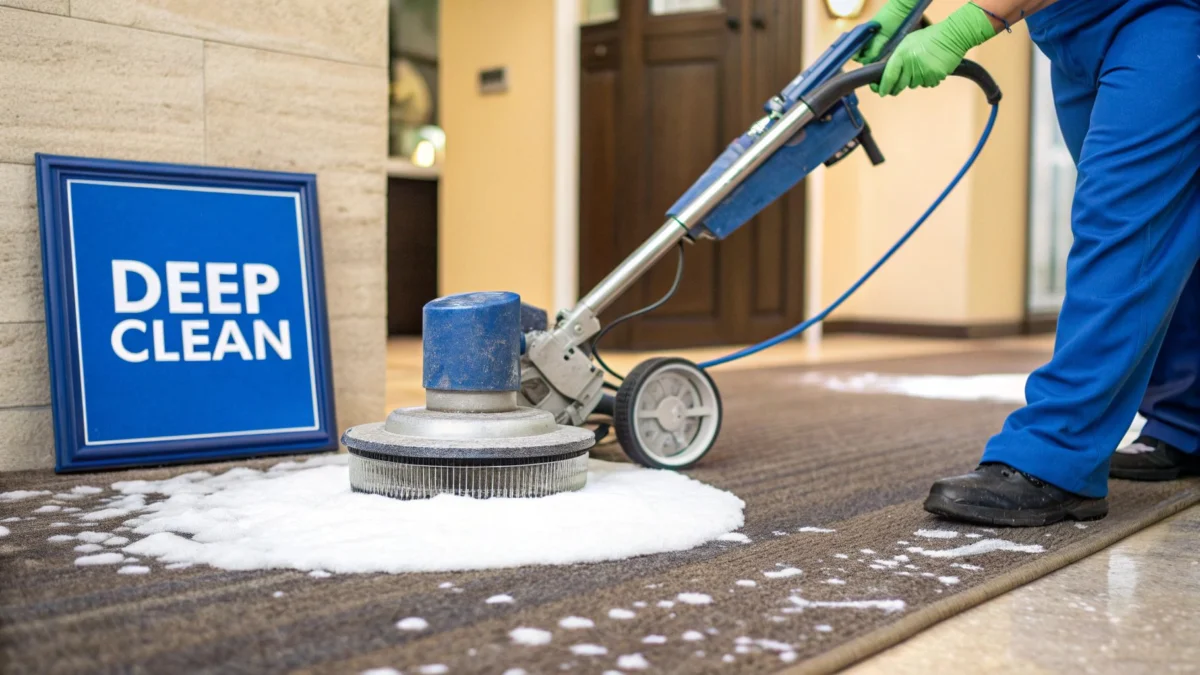
After all your scrubbing and stain fighting, you’ve reached the final, crucial hurdle. Rushing the drying process is probably the single biggest mistake people make when figuring out how to deep clean carpets at home. A damp carpet isn't just an inconvenience; it’s a perfect breeding ground for mould and mildew, which can lead to musty smells and undo all your hard work.
The secret to successful drying is to get as much air moving across the carpet's surface as possible. Think of it like drying laundry on a clothesline—a breezy day is far more effective than a still one. Your mission is to recreate that breeze inside your home to leave your carpets fresh, fluffy, and truly clean.
Accelerating the Drying Process Safely
As soon as you've finished the final water-extraction pass with your machine, it's time to get the air moving. Whatever you do, don't be tempted to use direct heat, like from a portable heater. This can damage synthetic fibres and even cause wool carpets to shrink. Instead, your best friends are ventilation and air circulation.
Here’s what you can do to speed things up:
- Create a Cross-Breeze: Open windows on opposite sides of the room to get a natural airflow going. Even on a cool day, this is better than keeping the room sealed shut.
- Bring in the Fans: Use any fans you have—pedestal fans, box fans, or even small desk fans will help. Position them so they blow air across the carpet's surface, not directly down onto it. This helps the moisture evaporate much more efficiently.
- Use a Dehumidifier: If you have a dehumidifier, now is its moment to shine. Placing one in the centre of the room will pull a surprising amount of moisture from the air, which is especially helpful in the UK's often damp climate.
Aftercare: The Finishing Touches
Once the carpet feels mostly dry to the touch, a couple of final steps will restore its texture for a perfect finish. First, walk over the carpet in clean socks or soft-soled shoes. This simple action helps to separate the fibres, which often get a bit matted down during cleaning.
Next, give it one final, thorough vacuum. This is a non-negotiable step that lifts the pile, making it look plush and new again. It also sucks up any lingering cleaning solution residue that might have dried on the fibres, which can feel stiff and attract dirt more quickly if left behind.
Patience is your best tool here; a properly deep-cleaned carpet can take anywhere from 6 to 12 hours to dry completely. Plan to keep foot traffic to a minimum until it’s ready. If you're curious about how the professionals handle these final stages, you can learn how they revitalise your space with expert carpet cleaning services.
Protecting Your Investment With Smart Maintenance

After putting in all that effort, your carpets look absolutely fantastic. The last thing you want is for them to look tired and grimy again in just a few weeks. The secret to making that freshly cleaned feeling last is smart, consistent maintenance. This isn't about repeating the entire deep-cleaning marathon every month, but about adopting small, easy habits that stop dirt from building up in the first place.
Creating a Sustainable Care Plan
A realistic maintenance schedule is your best defence against dirt and premature wear. It doesn't need to be complex; it just has to work for your home's unique rhythm.
-
For Busy Homes: If you've got a bustling household with pets and children, you'll probably want to schedule a deep clean every 6-9 months. In between, a thorough weekly vacuum is non-negotiable. Placing durable doormats at every entrance and encouraging a "shoes-off" policy inside can make a massive difference in cutting down on tracked-in grime.
-
For Quieter Homes: If your home sees less foot traffic, a full deep clean once every 12-18 months should be plenty. A regular weekly vacuum is still vital, though, to catch dust and allergens before they get trodden deep into the carpet fibres.
Prevention Is Better Than Cure
Knowing when your next deep clean is due often comes down to spotting the early warning signs. Have you noticed the main walkways looking a little duller than the carpet tucked away under the sofa? Are you finding yourself dealing with more frequent spills and stains? If so, it’s probably time to get the next session in the diary.
Acting fast on spills is also crucial. A quick spot-clean on a fresh coffee splash or muddy paw print can prevent it from becoming a permanent, stubborn stain. Ultimately, whether you tackle this ongoing upkeep yourself or call in the professionals depends on your schedule and your carpet's condition.
The demand for clean homes is certainly on the rise. In 2023, there were approximately 75,565 cleaning companies operating across the UK, which is a 64% increase since 2010. You can read more about these fascinating UK cleaning industry statistics. If you find your carpets need a bit more than a light touch-up, understanding the benefits of professional carpet cleaning services can help you decide what’s best for your home.
Key Takeaways
You should now feel ready to take on a deep carpet clean yourself, getting results that look truly professional. The secret isn’t just about hard work; it’s about following a smart process. Learning how to deep clean carpets at home really comes down to good preparation, picking the right machine and solutions, and having the patience to let your carpets dry properly.
Your Path to a Pristine Carpet
- Preparation is a Must: Don't ever be tempted to skip the prep work. Giving the carpet a really good vacuum from multiple directions first lifts all that dry dirt that would otherwise turn to mud once you add water. Taking the time to clear the room completely also makes the job much easier and gives you a better finish.
- Technique Beats Speed: It’s better to work in small, organised sections with slow, overlapping strokes. For every wet pass you make with the machine, you should always do at least one "dry" pass with only the suction on. This is a non-negotiable step that pulls up extra water and stops you from soaking the carpet, which can cause all sorts of problems.
- Drying is Key to Success: Getting the carpet dry is just as important as getting it clean. You need to get as much air moving as possible, so open the windows and use fans to stop any musty smells or, even worse, mould from developing. It's best to avoid using direct heat, like a fan heater, as this can damage the carpet fibres.
- Be Smart with Stains: Different stains need different treatments. For anything organic like food, mud, or pet accidents, an enzymatic cleaner is your best friend. For greasy or oily marks, you'll need a solvent-based spot remover. The golden rule is to always blot the stain, never scrub it, as scrubbing can push the stain deeper and damage the carpet pile.
This image shows the various methods professionals use for carpet cleaning.
Seeing the different professional techniques, such as hot water extraction, shows why choosing the right method for your specific carpet is so important. It confirms that a one-size-fits-all approach rarely gives you the best results.
While these tips will help you get a fantastic clean, we all know life can get busy. For those really stubborn jobs, or when you just want that guaranteed professional finish without the hassle, calling in an expert is a great choice.
Ready to give your carpets the ultimate refresh without the fuss? Contact AG Carpet Specialist today for a free, no-obligation quotation and see what a difference true expertise can make.