That sickening, slow-motion moment when you see red wine arcing through the air towards your lovely carpet doesn't have to spell doom. I've seen it a hundred times, and the difference between a minor cleanup and a permanent blemish comes down to one simple formula: act fast, blot gently, and absorb everything you can. Your initial reaction is, without a doubt, the most critical part of saving your carpet.
What to Do in the First 60 Seconds of a Red Wine Spill
When that glass of Merlot or Cabernet takes a tumble, what you do in the first minute is more valuable than anything you do an hour later. Your goal isn’t to magically make the stain vanish right away. It's about damage control—containing the spill and pulling as much of that wine out of the fibres as possible before it gets a chance to truly set.
You have to remember what you’re up against. Red wine is a double threat: it contains chromogens (the colour-producing part) and tannins (a natural mordant that helps the colour bond). This combination makes it a formidable opponent for any carpet.
The absolute golden rule I tell every client is to blot, never rub. I can't stress this enough. Scrubbing a fresh spill literally grinds the wine's pigments deeper into the carpet pile. It forces the stain to spread and embeds it, turning a manageable accident into a permanent, ugly mark.
Immediate Containment and Extraction
Your very first move? Grab a clean, dry, white cloth or a thick stack of plain white paper towels. Using a white material is non-negotiable—it lets you see how much wine you’re actually lifting out and, more importantly, ensures no dye from a coloured cloth transfers onto your carpet, making matters worse.
Press the cloth firmly down onto the spill. Let it soak up the liquid. Lift it, find a clean, dry section of the cloth, and press down again. Keep repeating this blotting process until your cloth comes up clean. A pro tip is to work from the outside edge of the stain inward; this stops you from accidentally making the stain bigger.
Key Takeaway: Think of this initial response as extraction, not cleaning. By blotting effectively, you're physically removing the bulk of the staining agents before they can form a chemical bond with your carpet fibres.
Using Absorbents for Fresh Spills
Once you’ve blotted until you can’t blot anymore, it's time to bring in an absorbent to draw out that deep-down residual moisture. This is a classic trick for a reason—it works incredibly well on fresh spills.
To get started, you'll want to have a few basic household items ready.
Immediate Red Wine Spill Response Kit
This table outlines the essential items you should gather the moment a spill happens. Having these on hand can make all the difference.
| Item | Purpose | Why It Works |
|---|---|---|
| White Cloths/Paper Towels | Blotting & Absorption | Lifts liquid without transferring colour or lint. |
| Table Salt | Drawing Out Moisture | Salt is hygroscopic, meaning it attracts and absorbs water (and wine) from the carpet fibres through osmosis. |
| Baking Soda | Absorption & Neutralising | Highly absorbent like salt, it also helps to neutralise odours. |
| Vacuum Cleaner | Removing Absorbent | Lifts the salt or baking soda (and the absorbed wine) away cleanly. |
These simple tools are your first line of defence.
Here’s how to use the absorbents:
- Table Salt: This is the old-school, go-to method for a reason. Don't be shy—pour a generous, thick layer of regular table salt over the entire stain. You’ll actually see the salt start to wick the wine out of the carpet, turning pink as it works its magic. Let it sit for at least 10-20 minutes (or even a few hours for a really bad spill) before vacuuming it up thoroughly.
- Baking Soda: Works on the same principle as salt. It's fantastic at absorbing moisture. Apply it in the same way, and it will form a sort of paste as it pulls the wine up from deep within the pile.
These first aid steps are what set the stage for a successful deep clean later. They dramatically improve your chances of getting that stain out completely. To see how this initial response fits into the bigger picture, you can check out our full guide on what to do after a sudden red wine spill on your carpet. Trust me, acting swiftly and correctly in these first few moments makes all the difference.
Tried-and-Tested DIY Red Wine Stain Removal Solutions
So, you’ve acted fast and blotted the initial spill, but you can still see that faint, tell-tale purple shadow. Don't panic. This is where your kitchen cupboard becomes your secret weapon. You’d be surprised how effective a few common household items can be at tackling a red wine stain, meaning you don't have to reach for harsh chemicals straight away.
The trick is knowing which method to use and when. Not every DIY solution works for every situation, and the goal is always to lift the stain completely out of the carpet fibres, not just dilute it or push it deeper.
The picture below shows that all-important first step: gently blotting the spill.
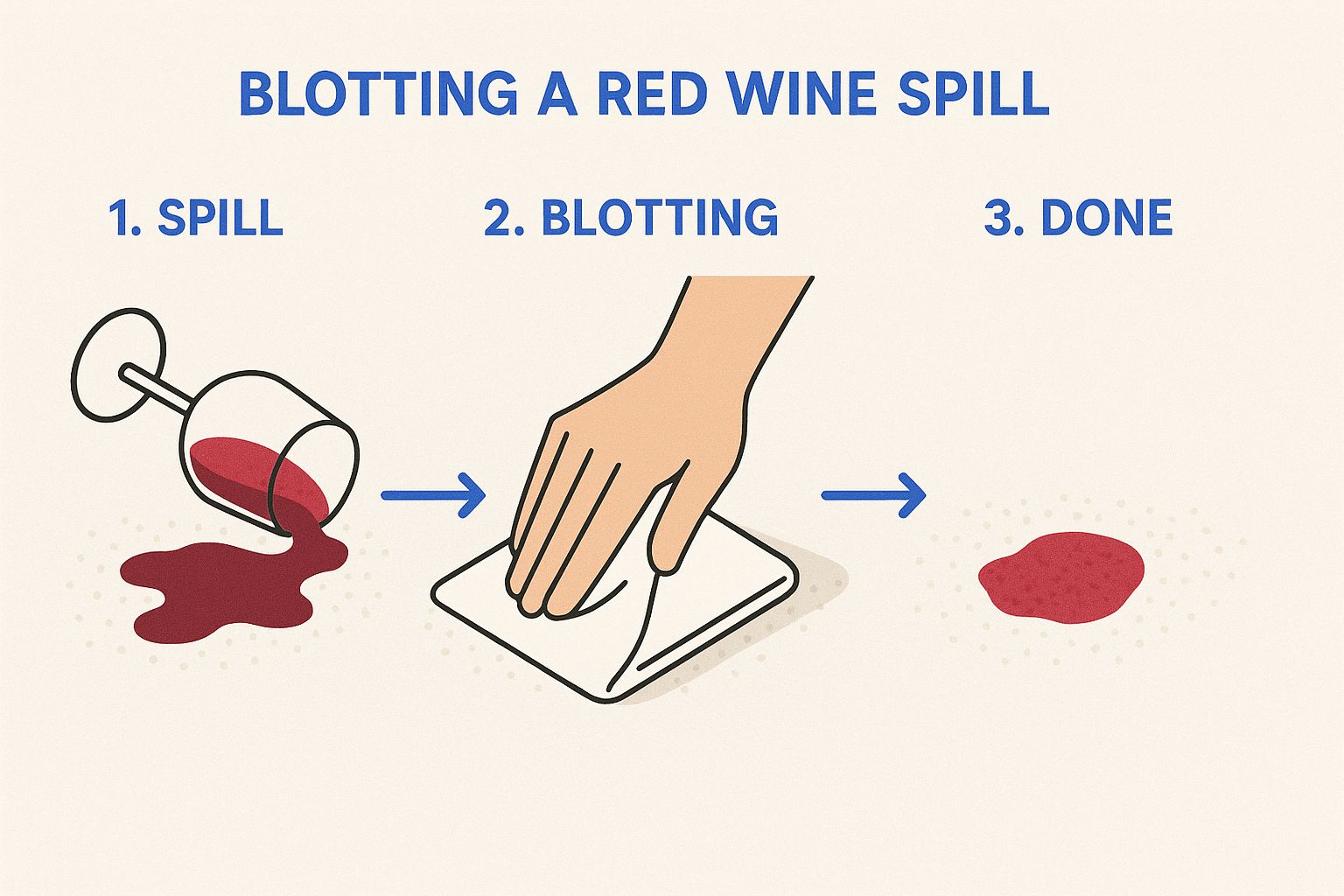
This simple action soaks up all the excess liquid, preparing the carpet for the deeper cleaning that follows.
The Salt Method for Fresh Spills
If you’ve caught the spill the moment it happened and the carpet is still wet, salt is your best friend. I’ve seen this work countless times, and it’s effective because salt is a natural desiccant. It literally pulls the wine right up and out of the carpet fibres through osmosis.
Simply pour a generous amount of table salt directly over the stain, making sure it’s completely covered. There's no need to rub it in; just let it sit and do its thing. You’ll actually see the salt crystals turn pink as they absorb the wine. For the best results, leave it for at least 30 minutes, or even a few hours for a bigger spill, before getting the hoover out and vacuuming it all up.
A Vinegar and Baking Soda Paste
For those stains that have had a few minutes to start drying, a paste made from white vinegar and baking soda is a classic for good reason. The gentle fizzing reaction it creates is fantastic for breaking down the pigments in the wine and lifting them away.
Here’s what I recommend:
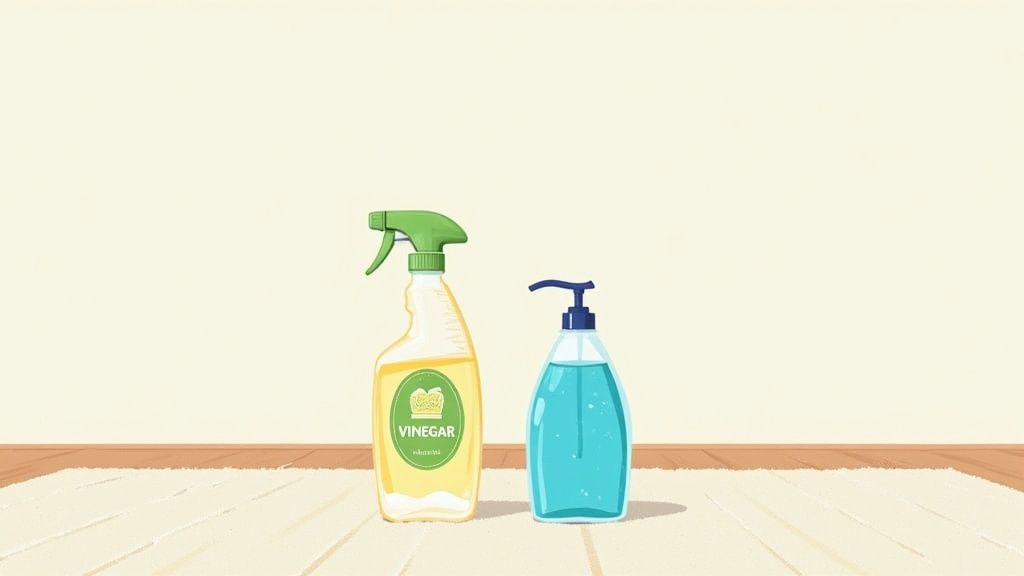
- Make the Paste: In a small bowl, mix equal parts white vinegar and baking soda. It will fizz up at first—just wait for the reaction to calm down until you have a smooth, spreadable paste.
- Apply and Wait: Gently work the paste over the stain using your fingers or a soft cloth. Let it dry completely on the carpet; as it dries, it pulls the stain out.
- Vacuum: Once the paste is fully dry and crusty, hoover up the residue. You might need to use a brush attachment to get all the little particles loose.
A Quick Word of Warning: Always, always do a patch test on a hidden bit of your carpet first. Under the sofa or inside a cupboard is perfect. This makes sure the solution won't cause any discolouration or damage to your specific carpet type.
Hydrogen Peroxide and Dish Soap for Tougher Stains
Now, for a really stubborn stain on a light-coloured synthetic carpet, a mix of hydrogen peroxide and washing-up liquid can work wonders. But this method comes with a serious caution: hydrogen peroxide has bleaching properties. It can and will strip the colour from wool or dark-dyed carpets. Only ever use this on white or very light-coloured carpets, and only after you’ve done a successful patch test.
To create this solution, mix three parts of standard 3% hydrogen peroxide with one part of a clear, gentle washing-up liquid. Lightly spray it onto the stain, let it sit for around 15-20 minutes, then blot gently with a clean, damp cloth.
For a more detailed breakdown of these steps and other great advice, check out our complete guide on what to do when you have a sudden red wine spill on your carpet.
Tackling Stubborn and Dried Red Wine Stains
Discovering a dark, crusty red wine stain hours or even days after the fact can feel like a real sinking feeling. By now, the wine's tannins and pigments have had plenty of time to set deep into the carpet fibres, which means those simple pantry remedies probably won't cut it. Don't throw in the towel just yet, though. This is simply the point where we bring out the more specialised cleaning agents.
When you're up against a set-in stain, your strategy has to change. Instead of just blotting and absorbing, you need to actively break down the stain's chemical bonds. It’s time to look at some store-bought solutions specifically formulated for this exact problem.
Choosing the Right Commercial Cleaner
The cleaning aisle can be a bit much, but picking the right product for your carpet type is absolutely crucial.
- For Synthetic Carpets (Nylon, Polyester, Olefin): These are the workhorses of the carpet world and generally quite resilient. An oxygen-based cleaner is often a great choice here. These products work by releasing tiny oxygen bubbles that get to work breaking apart the stain molecules, making them much easier to lift out.
- For Natural Fibre Carpets (Wool, Sisal): You have to be much more careful with these. Natural fibres are delicate and can be easily ruined by harsh chemicals. Always, always look for a wool-safe approved cleaner. Using the wrong product on a wool carpet can cause permanent discolouration or even damage the fibres themselves.
Before you go all in, please read the product label carefully. Most importantly, always do a patch test on a hidden spot of your carpet, like inside a cupboard or under a sofa. It’s a simple step that could save you from a much bigger cleaning disaster.
The Power of Enzymatic Cleaners
For older, organic stains like wine, an enzymatic cleaner is one of the best tools in your arsenal. These are clever cleaners. Unlike standard detergents that just wash stains, they contain special enzymes that act like catalysts. They literally digest and break down the organic compounds in the wine—the tannins and chromogens—dismantling the stain from the inside out.
When you're using an enzymatic cleaner, here's the best way to go about it:
- First, lightly dampen the old stain with a bit of cool water. This helps to "wake up" the stain.
- Apply the enzymatic cleaner as directed on the bottle, making sure you've covered the whole area.
- Now, be patient. The cleaner needs plenty of dwell time to work, often several hours. The enzymes are busy doing their job.
- Once the time is up, gently blot the area with a clean, damp cloth to lift away the broken-down residue.
This method is brilliant because it targets the root cause of the stain without using harsh bleaches. It’s a targeted attack that often works where other methods have failed. For a closer look at how different stains need different treatments, check out our guide on what to do right after a sudden red wine spill on your carpet.
Pro Tip: Whatever you do, never use hot water or a steam cleaner on a dried red wine stain before treating it. Heat will chemically bond the stain to the fibres, making it permanent and almost impossible to remove.
By carefully choosing a cleaner that’s right for your carpet and using it correctly, you’ve got a fantastic chance of beating even the most stubborn, dried-on red wine stain. It’s the smart approach that bridges the gap between simple home remedies and having to call in the professionals.
When to Call a Professional Carpet Cleaner
Sometimes, despite your best efforts, a red wine stain is simply too stubborn for home remedies. Knowing when to admit defeat and call in an expert isn't a sign of failure—it's the smartest move you can make to protect your carpet and prevent permanent damage. All too often, the risk of accidentally making things worse far outweighs the satisfaction of a DIY win.
Recognising these make-or-break moments can save you from costly mistakes down the line. There are several clear signals that a red wine spill has moved beyond the scope of household solutions and needs a professional touch.
When DIY Isn't Enough
Certain situations can dramatically increase the chances of permanent damage if you try to tackle them yourself. If you're facing any of the following, it’s time to pick up the phone:
- Delicate Carpet Fibres: Spills on natural materials like wool or silk require a specialist's touch. These fibres are incredibly sensitive to pH changes and harsh chemicals. The wrong cleaning solution can cause irreversible shrinkage, discolouration, or damage to the fibres themselves.
- The Stain is Large or Saturated: A small splash is one thing, but if a whole glass—or bottle—has soaked deep into the carpet and its underlay, household methods simply can't reach that far. You might lift the surface stain, but the wine trapped below will eventually wick back up, causing the stain to reappear and creating a risk of mould growth.
- Previous Attempts Made it Worse: If your own cleaning efforts have spread the stain or you've accidentally used hot water, you may have chemically set the wine's tannins into the carpet. Professionals have access to specialised agents that can sometimes reverse this process, offering one last chance at total removal.
Expert Insight: The moment a spill happens on a high-value or delicate carpet, your best first step is often to blot carefully and then immediately call a professional. The less you interfere, the greater their chance of complete success.
The Professional Advantage
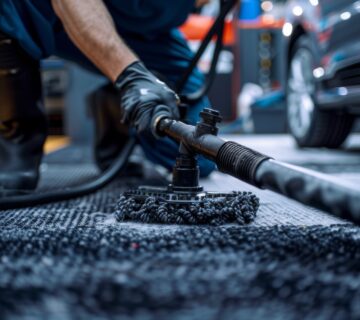
Hiring a professional isn't just about making your life easier; it’s about bringing in superior technology and expertise. They use advanced equipment like hot water extraction (steam cleaning) machines, which powerfully flush out stains from deep within the carpet pile while extracting the dirty water at the same time. It’s a level of clean that’s simply impossible to get with rented or domestic machines.
The UK cleaning industry is a significant part of the economy, contributing around £59.8 billion in 2021. This shows just how much people rely on professional services for tough jobs like red wine removal. When you do need to call in the experts, using a good contractor hiring checklist will help you find a reputable service.
If you decide that calling in an expert is the right move for you, understanding how to prepare for professional carpet cleaning will make the whole process smoother and more effective, ensuring you get the best possible results.
Comparing DIY vs Professional Stain Removal
So, you’re staring at a fresh red wine stain. The big question is: do you tackle it yourself or call in the professionals? It’s a classic dilemma. On one hand, reaching for the cupboard essentials feels quick and easy. On the other, the fear of making it worse is very real.
Honestly, it’s a trade-off. You're balancing the immediate cost against the guarantee of a job done right. A DIY approach costs very little upfront, but you're also gambling with your time and the risk of permanent damage.
The True Cost of DIY vs Professional Services
The financial side isn't as simple as comparing the price of salt and vinegar to our call-out fee. Your time is valuable, and what looks like a five-minute job can quickly spiral into hours of blotting, waiting, and hoping for the best.
And what happens if it goes wrong? Using the wrong cleaning agent for your carpet type—say, something too alkaline on wool—can bleach the fibres permanently. Even using too much water can lead to browning or watermarks, leaving you with a bigger problem than you started with.
Key Insight: The single biggest risk with a DIY job is accidentally setting the stain. Applying heat or scrubbing too hard can cause a chemical reaction, bonding the wine's tannins to the carpet fibres. Once that happens, the stain is often permanent, and even a professional will struggle to remove it.
The Professional Advantage: Technology and Expertise
When you hire a professional, you're not just paying for our time. You're investing in years of experience and equipment that you just can't buy off the shelf. We use powerful, pH-neutral cleaning solutions specifically formulated for your carpet, whether it's delicate wool or hard-wearing nylon.
Our go-to method is hot water extraction. This isn't just a bit of steam; our machines powerfully inject a specialised cleaning solution deep into the carpet pile and immediately extract it, pulling out the wine, dirt, and any other residue along with it. It’s a world away from simply dabbing the surface. If you're curious about the technical differences, our guide on carpet cleaning vs steam cleaning explains it all.
The demand for this level of service is clear. The UK's carpet and upholstery cleaning market was valued at an enormous £3.3 billion in 2022 and is expected to hit £4.95 billion by 2030. A huge 73% of this comes from professional carpet cleaning, driven by homeowners needing expert help with tricky spills just like red wine. You can even read the full research about these market trends if you're interested in the industry's growth.
Professional vs DIY Red Wine Stain Removal
To make the choice clearer, let’s break down the pros and cons of each approach.
| Aspect | DIY Method | Professional Service |
|---|---|---|
| Effectiveness | Can work on fresh, small spills. High risk of not fully removing the stain or making it worse. | Highly effective on most stains, even older ones. Uses industrial-grade equipment for deep removal. |
| Cost | Low initial cost (using household items). Potential high cost if carpet is damaged and needs replacing. | Higher upfront cost for the service call. Prevents the long-term cost of carpet replacement. |
| Time | Can be very time-consuming with repeated applications and drying time. | Quick and efficient. Professionals handle the entire process, usually within a couple of hours. |
| Risk | High risk of setting the stain, discolouring fibres, or causing water damage. | Very low risk. Professionals are insured and use correct techniques for your specific carpet type. |
| Expertise | Relies on online guides, which may not be suitable for your carpet. | Relies on trained technicians with knowledge of different fibres, stains, and chemical reactions. |
Ultimately, the best path forward depends on the situation. For a tiny, brand-new drip on a sturdy synthetic carpet, a careful DIY method might just do the trick.
But for larger spills, older stains, or on delicate carpets like wool or silk, calling a professional isn't just a safer bet—it's a smart investment in protecting your home.
Common Red Wine Stain Removal Questions
Even when you know the right steps, there are always a few lingering questions and old wives' tales about getting red wine out of a carpet. Getting straight, factual answers is the key to acting fast and avoiding the common mistakes that can turn a simple spill into a permanent eyesore. Let's tackle some of the most common queries we hear.
Can I Use White Wine to Clean Red Wine?
This is a persistent myth, but sadly, it's not a good strategy. It might sound clever, but white wine doesn't have any special cleaning powers. All it really does is add more liquid to the stain, which can easily cause the red wine to spread even further into the carpet fibres.
You're much better off reaching for cool water or, even better, some club soda. The fizz from the carbonation can help lift some of the stain particles, but just remember it's only a diluting agent—not a complete cleaning solution on its own.
Will Salt Actually Harm My Carpet?
Using salt on a fresh spill is generally very safe for most common carpet types, from synthetics to natural fibres like wool. Salt is a desiccant, which is just a technical way of saying it’s brilliant at drawing moisture out of its surroundings. When you pour it over a fresh red wine spill, it pulls the liquid—and the wine pigment—up and out of the carpet pile.
The crucial part is to vacuum it all up thoroughly once the salt has had time to dry. You don't want to leave salt in your carpet for days on end, as it could attract moisture and dirt over time. But as an emergency first-aid treatment, it’s one of the safest and most effective tools in your arsenal.
What Is the Worst Thing I Can Do to a Red Wine Stain?
Without a doubt, the two most damaging things you can do are rubbing the stain and applying heat.
- Rubbing: Frantically scrubbing at a stain, especially with force, just grinds the wine pigments deeper into the carpet fibres. This can break down the protective coating on the fibres and make the stain almost impossible to remove later.
- Heat: Never, ever use a hairdryer or hot water. Heat will chemically set the tannins in the wine, essentially 'cooking' the stain right into the fabric. Once that happens, you’ve created a permanent bond.
The Golden Rule: Always blot gently with a clean, white cloth, and only ever use cool or lukewarm water during the cleaning process. This prevents the stain from setting or spreading.
In the UK, the demand for professional carpet cleaning is huge. It's actually the largest service within the building cleaning industry, with an estimated revenue of £9.4 billion in 2024, driven partly by tricky but common spills like red wine. For tenants, knowing how to handle these issues is vital, as property managers often use a detailed tenant move-out inspection checklist.
If you're facing a stubborn stain that just won't budge, don't risk permanent damage. The experts at AG Carpet Specialists have the professional equipment and eco-friendly solutions to restore your carpet. Contact us today for a free, no-obligation quote!