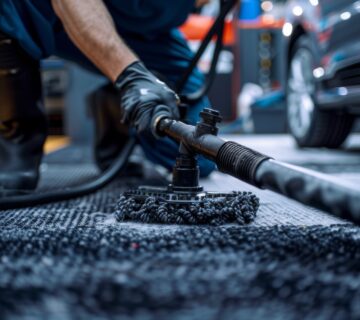
Opting for eco-friendly carpet cleaning is about so much more than just being kind to the planet. Think of it as a direct investment in the health of your home and the lifespan of your carpets. These modern methods rely on non-toxic, biodegradable solutions that are every bit as powerful as old-school chemicals, giving you a deep clean without the nasty side effects for your family and pets.
Why Green Carpet Cleaning Matters for Your Home
The real benefits of switching to eco-friendly carpet cleaning go far beyond just doing your bit for the environment. It’s about creating a living space that’s genuinely safer and healthier for everyone in it.
Traditional carpet cleaning often uses harsh chemicals that can leave behind potent residues, trapping what are known as volatile organic compounds (VOCs) in your home's air. For families with young children, pets, or anyone who suffers from allergies or asthma, this is a real concern.
Green cleaning methods, on the other hand, put your well-being first by using plant-based and natural ingredients. This approach doesn't just get the job done; it actively improves your indoor air quality, which is crucial when you think about how much time we all spend inside. To learn more about how a clean home environment impacts health, take a look at our guide on how to reduce allergens in your home.
A Healthier Environment for Family and Pets
Picture your toddler playing on a freshly cleaned carpet. When you choose eco-friendly solutions, you can relax, knowing they aren’t being exposed to harsh chemical residues. The same goes for your pets, who are often far more sensitive to the strong fumes and substances left behind by conventional cleaners. Natural ingredients mean fewer irritants and a genuinely clean surface for everyone.
By choosing green methods, you're not just cleaning your carpet; you're actively removing allergens, dust mites, and pollutants without introducing new toxins into your home. It’s a proactive step toward a healthier household.
The Growing Demand for Sustainable Cleaning
This move towards healthier homes isn't some fleeting trend; it's a major shift happening across the cleaning industry. Here in the UK, people are increasingly choosing sustainable practices, which mirrors a global demand for more health-conscious solutions.
The global carpet cleaning service market was valued at an impressive USD 7.5 billion in 2024 and is expected to almost double by 2033. This growth is being powered by the adoption of advanced, eco-friendly tech like low-moisture extraction and steam cleaning with safe detergents. These methods deliver fantastic results while minimising waste. You can dig into more insights on this growing market over at datahorizzonresearch.com.
This demand from homeowners like you is making professional green carpet cleaning more accessible and affordable than ever. It’s proof that you don’t have to compromise on a deep, effective clean to protect your family’s health.
Prepping Your Carpets for a Deeper Clean
It’s tempting to jump right in with a cleaning solution, but that’s one of the most common mistakes we see. Proper preparation is what truly separates a mediocre result from a fantastic one, especially when you're using eco-friendly cleaners. You need to give them a clear path to do their job properly.
First things first, a thorough vacuum is completely non-negotiable. Don't just give the carpet a quick once-over. You need to go over the entire area slowly, and from a couple of different directions, to lift as much of that dry soil, dust, and hair as you possibly can. If you skip this, you're just turning loose dirt into mud the second you add moisture.
Beyond the Basics of Vacuuming
Your standard vacuum head isn't going to get into every nook and cranny. Dust and pet hair love to hide along skirting boards and in those tight corners.
- Crevice Tool: Grab this long, narrow attachment. It’s perfect for getting right into the edges where the carpet meets the wall.
- Upholstery Brush: The smaller, softer brush head is ideal for cleaning carpeted stairs and any other awkward spots.
This initial clean-up is crucial. Professional-grade green solutions are formulated to break down oils and tough stains, not big clumps of dust. Clearing away all that surface debris first allows the cleaner to really penetrate the carpet fibres and get to work on what matters.
Know Your Carpet and Clear Your Space
Not all carpets are created equal, and even a natural product can cause damage if it's not right for the material. You absolutely have to know what you're working with. Synthetics like nylon or polyester are pretty resilient, but natural fibres such as wool demand a much gentler, pH-neutral approach. A quick look at the manufacturer's details or, if you have a spare tuft, a simple burn test will tell you what you need to know.
Next, give yourself a clear workspace. I know moving furniture is a pain, but it's essential if you want an even, consistent clean. Furniture sliders are a lifesaver for protecting your back and your floors. For those heavy items you just can't shift, like a massive bookcase, make sure to protect the legs. Small squares of plastic or even tin foil slipped underneath will stop moisture from wicking up and staining the wood.
A little prep goes a very long way. Taking 30 minutes to vacuum properly, identify your carpet, and move furniture will easily make your cleaning efforts twice as effective.
If you're bringing in the experts, we always appreciate a clear space to work in. For more tips on this, check out our dedicated guide on how to prepare for professional carpet cleaning. And if you're looking to improve your overall cleaning routine, these general home cleaning tips are a great place to start. Taking these steps seriously is what sets the stage for a successful, truly green clean.
Practical DIY Green Carpet Cleaning Solutions
Diving into the world of eco-friendly carpet cleaning doesn't mean you need a chemistry degree. In fact, some of the most effective cleaning agents you can find are probably already tucked away in your kitchen cupboards. These simple, non-toxic ingredients are surprisingly good at tackling everyday messes, saving you a bit of money while protecting your home's air quality.
It all comes down to some very basic science. The acetic acid in white vinegar, for example, is brilliant at breaking down grime and mineral deposits. Meanwhile, bicarbonate of soda is a natural alkali, which makes it perfect for absorbing and neutralising acidic odours like pet smells or spilt milk.
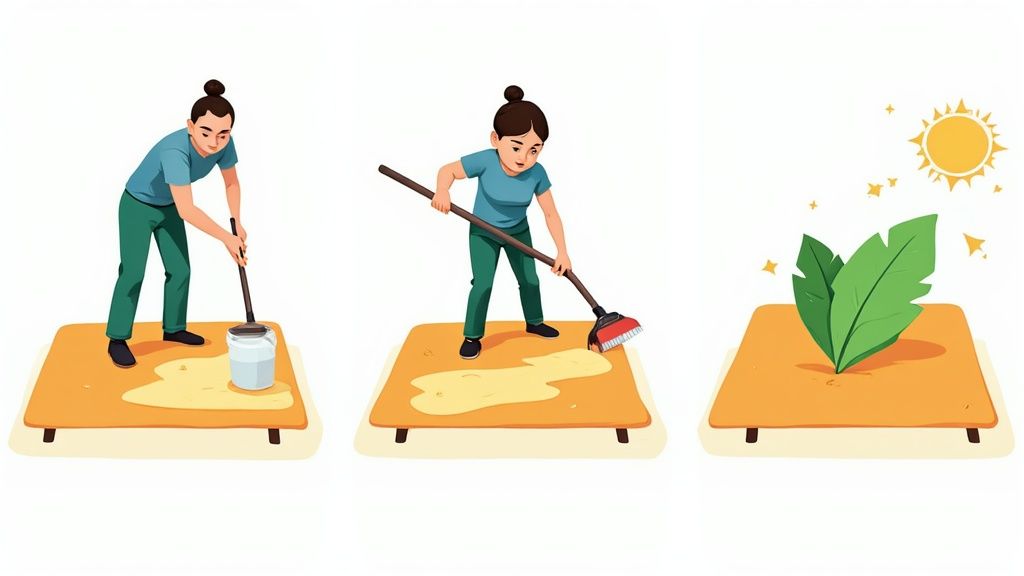
This image shows just how straightforward it is to use common eco-friendly tools for your carpet care routine.
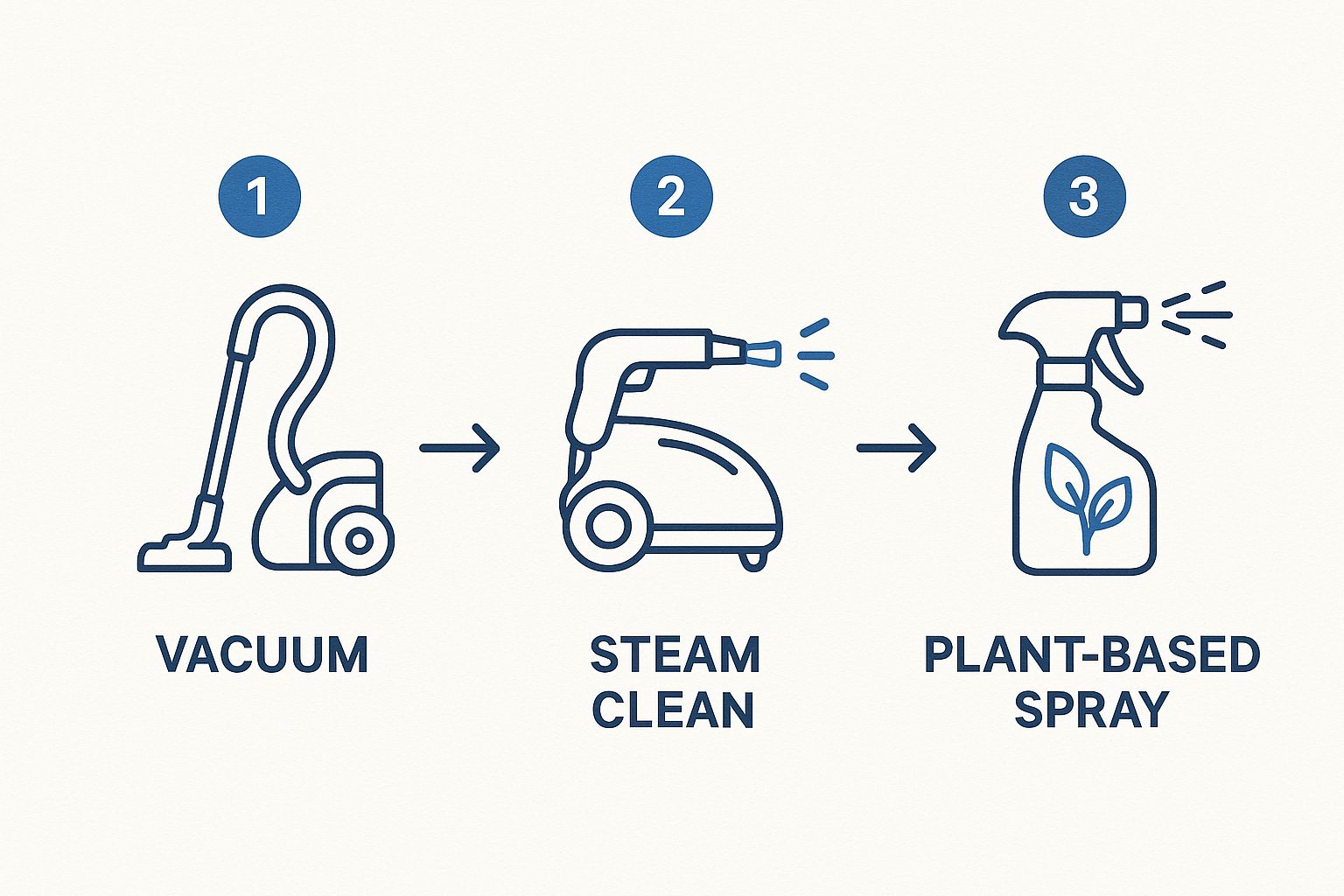
As you can see, a good green cleaning strategy combines basic prep work, like vacuuming, with deeper methods like steam cleaning or using targeted, plant-based sprays.
Creating Your Go-To All-Purpose Carpet Spray
For a general freshen-up or for dealing with light, fresh spills, a simple vinegar-based spray is your best friend. It’s incredibly easy to make and costs just pennies per bottle.
Here’s a recipe I’ve used countless times:
- Mix Your Ingredients: Grab a clean, reusable spray bottle and mix one part white vinegar with two parts lukewarm water.
- Add a Scent (Optional): If the smell of vinegar isn't for you, add 5-10 drops of an essential oil like lavender or lemon. They don't just mask the scent; many also have natural antibacterial properties.
- Shake and Use: Give the bottle a gentle shake before you use it. Lightly mist the area—don't saturate it—and then gently blot with a clean, white cloth.
This simple mix is perfect for things like muddy paw prints that have just dried or a minor drink spillage. If you want to explore more homemade solutions, our guide to creating a powerful natural carpet cleaner has plenty more recipes and tips.
Tackling Odours and Greasy Stains
When it comes to getting rid of smells, bicarbonate of soda is the undisputed champion. It absorbs odours rather than just masking them, making it an essential part of any eco-friendly cleaning kit.
If you've got a musty-smelling room or a lingering pet odour, just sprinkle a generous layer of bicarb over the entire dry carpet. Let it sit for at least 30 minutes – or even overnight for really stubborn smells – before vacuuming it all up. You’ll be genuinely surprised at the difference it makes.
For greasy stains, like from a dropped piece of pizza, you can make a paste by mixing bicarbonate of soda with a little water. Apply it directly to the stain, let it dry completely, and then scrape or vacuum away the residue. The bicarb helps draw the grease right out of the carpet fibres.
A Quick Guide to Common Stains
To make things even easier, here's a quick reference table for tackling some of the most common household stains with things you already have at home.
| Stain Type | Primary Cleaning Agent | Method Summary | Best For |
|---|---|---|---|
| Coffee/Tea | White Vinegar & Water | Blot stain, spritz with a 1:1 vinegar/water solution, blot again until stain lifts. | Fresh, non-milky spills. |
| Mud | Bicarbonate of Soda | Let mud dry completely, scrape off excess, sprinkle with bicarb, then vacuum. | Dried-on dirt and general grime. |
| Red Wine | Bicarb Soda & Vinegar | Blot immediately, apply a paste of bicarb and vinegar, let it dry, then vacuum. | Acting fast on fresh red wine spills. |
| Pet Accidents | Bicarbonate of Soda | Blot wet spot, cover with a thick layer of bicarb to absorb moisture and odour. | Neutralising acidic urine smells and stains. |
These simple methods can be surprisingly effective, saving you from reaching for a harsh chemical cleaner in a panic.
A Powerful Solution for Tougher Spills
So, what about something more dramatic, like the dreaded red wine spill? The absolute key is to act fast, but you don't need a specialist chemical cleaner if you've got the right ingredients to hand.
- Blot Immediately: First, blot up as much of the wine as you can with a clean, dry cloth. Whatever you do, don't rub—this will just push the stain deeper into the fibres.
- Apply a Paste: Mix a paste of one part white vinegar and three parts bicarbonate of soda. It will fizz up, which is exactly what you want!
- Wait and Remove: Apply this paste over the stain, let it dry completely, and then vacuum up all the remaining powder.
For those keen to expand their green cleaning skills beyond carpets, you can find a whole range of unique eco-friendly cleaning solutions for every part of your home. Mastering these simple DIY techniques gives you the confidence to handle messes quickly and safely, without ever needing to rely on a bottle of harsh, synthetic chemicals again.
Advanced Eco-Friendly Cleaning for Tough Jobs
Let's be honest, sometimes a simple homemade spray of vinegar and water just won’t cut it. For those deeply ingrained stains or carpets that need a serious revival, you need to move beyond basic DIY and look at more powerful, professional-grade techniques. The good news is, these are still firmly rooted in eco-friendly principles.
These advanced methods get right down into the carpet fibres, tackling the dirt, allergens, and stubborn odours that have made themselves at home. They deliver a much deeper clean without ever having to resort to harsh chemicals.
The Power of Pure Steam Cleaning
One of the most effective methods out there is hot water extraction, which you probably know as steam cleaning. It’s a brilliant technique that uses high-pressure hot water to blast apart the dirt clinging to the carpet fibres. A powerful vacuum then sucks up the hot water along with all the dislodged grime.
The beauty of this method is in its simplicity and raw power. The high temperature of the water alone is enough to kill dust mites, bacteria, and allergens on contact. It’s a purely physical process that sanitises your carpet and provides a deep, restorative clean without a single synthetic chemical. You can explore the differences between various methods in our guide comparing carpet cleaning vs steam cleaning.
Renting Equipment and Choosing Green Solutions
If you fancy a serious DIY job, you can rent a professional-grade hot water extraction machine. When you're looking, try to find models advertised as low-moisture cleaners. These are far more efficient, using less water and letting your carpets dry much faster. That’s a huge plus, as it massively reduces the risk of mould or mildew growth.
Of course, a machine needs a cleaning solution to go with it. Always look for products with trusted certifications:
- Green Seal: This shows the product has met some very rigorous environmental standards.
- WoolSafe Approved: Absolutely essential if you're cleaning delicate wool or natural fibre carpets.
- EPA Safer Choice: This label signifies the product's ingredients are safer for human health and the environment.
These certified solutions are made to work with extraction machines, giving you that extra cleaning punch without leaving behind any nasty residues.
Deciding between a DIY deep clean and calling a professional often comes down to the specific challenge. A single tough stain might be manageable, but widespread issues like persistent pet odours or delicate oriental rugs are best left to experts who have the right tools and specialised knowledge.
Knowing When to Call a Professional
There's a clear line between a challenging DIY task and a job that needs a professional touch. Trying to deep clean a valuable oriental rug or tackle severe pet urine saturation yourself can easily lead to permanent damage. It’s just not worth the risk.
The demand for skilled, eco-friendly professionals has grown massively. The UK's carpet and upholstery cleaning market hit about USD 3.99 billion in 2022 and is expected to climb to nearly USD 5.98 billion by 2030. This growth is really driven by homeowners like you seeking sustainable, effective solutions. You can read more about these UK market trends and projections.
A reputable service will use advanced, low-moisture equipment and certified non-toxic solutions to guarantee a safe, thorough, and professional result every single time.
How to Find a Genuinely Green Cleaning Service
Hiring a professional for your carpet cleaning should make life easier, but sorting through all the options can be a real headache. With so many companies claiming to be "green," how do you know who’s the real deal and who’s just using buzzwords? The secret is to look past the marketing slogans and start asking the right questions.
The UK cleaning industry is huge, contributing around £59.8 billion to the economy in 2021. The number of cleaning businesses has jumped from under 46,000 in 2010 to over 75,500 in 2023. A lot of that growth is being driven by younger people, with 40% of under-35s now hiring cleaners and often looking for environmentally friendly options. You can read more about these UK cleaning industry statistics and trends over on policybee.co.uk. This rising demand puts the power in your hands to be selective.
Questions to Ask Before You Book
Don't feel awkward about digging into the details. A truly eco-conscious company will be happy to answer your questions and be transparent about their process. If you get vague answers, that’s a major red flag.
First off, ask about the cleaning solutions they use. Any reputable service should be able to tell you exactly what’s in their products.
- "What are the main active ingredients in your cleaning solutions?" You want to hear things like plant-based surfactants, enzymes, or natural acids, not just a generic "non-toxic" claim.
- "Are your products independently certified?" This is a big one. Certifications from bodies like Green Seal, Ecologo, or the WoolSafe mark (which is vital for natural fibres) prove a product has passed strict environmental and safety tests.
- "What is your process for waste and water disposal?" A genuinely green company considers the entire lifecycle, from using low-moisture equipment to minimise water use to responsibly disposing of any waste.
Arming yourself with these questions helps you cut straight through the marketing fluff.
Spotting Greenwashing Red Flags
"Greenwashing" is when a company spends more time and money making you think they’re environmentally friendly than actually doing the work. It’s a common tactic, but you can learn to spot the tell-tale signs.
Be wary of vague and undefined terms like "earth-friendly," "natural," or "eco." Without specific ingredients or certifications to back them up, these words are often meaningless. A genuine provider will focus on tangible facts, not just fluffy language.
Another warning sign is a lack of transparency. If a company gets cagey about discussing their ingredients and hides behind "trade secrets," it’s wise to be sceptical. A truly eco-friendly service is proud of its safe, sustainable practices and is happy to share the details. For a deeper dive, check out our guide on what to look for when choosing an eco carpet clean service. Making an informed choice ensures you get a safe, effective clean that truly aligns with your values.
Your Top Green Carpet Cleaning Questions Answered
Switching to a new cleaning routine always brings up a few questions, and that’s perfectly normal. When it comes to eco-friendly carpet care, we hear a few queries time and time again. Let’s get you some clear, straightforward answers.
The biggest one is always about effectiveness. Will a plant-based cleaner really tackle a stubborn coffee stain as well as a harsh chemical?
Absolutely. Modern eco-friendly cleaning solutions are incredibly powerful. Methods like hot water extraction, for instance, rely on high-pressure steam rather than aggressive chemicals to deep clean and sanitise. For jobs at home, natural agents like white vinegar are great for breaking down dirt, while bicarbonate of soda is a brilliant odour neutraliser. It’s all about using the right green method for the stain and carpet type.
How to Identify Truly Green Services
Another common question is how to tell if a professional service is genuinely eco-friendly. With "green" being such a popular buzzword, it's wise to be cautious.
The key is to ask direct questions and look for total transparency. A truly green company will be proud to discuss their process and the products they use.
- Ask About Ingredients: Don’t be shy. Ask them, "What are the main ingredients in your cleaning solution?" If you get a vague answer, that’s a red flag.
- Check for Certifications: Enquire if their products are certified by independent bodies like Green Seal or WoolSafe. These certifications aren't easy to get and show a real commitment to safety and sustainability.
A professional who is genuinely committed to eco-friendly practices will welcome your questions. They'll see it as an opportunity to show you they're serious about providing a safe, effective service, not just using marketing tricks.
Handling Delicate and Natural Fibres
"Can I use these methods on my delicate wool carpet?" This is a crucial one. Natural fibres like wool are very sensitive to high pH levels and can be damaged by getting too wet, so you have to be careful.
While a heavily diluted white vinegar solution is usually safe for wool, you must always do a spot test on a hidden area first, like inside a wardrobe. For valuable or antique rugs, your safest bet is to call a professional who specialises in cleaning natural fibres. They'll use certified WoolSafe-approved products, removing any risk of damage like permanent discolouration.
Finally, people often wonder how often they should have their carpets deep cleaned the eco-friendly way. For a typical home, every 12-18 months is a good rule of thumb. However, if you have pets, young children, or family members with allergies, cleaning every 6-12 months will help maintain a much healthier environment for everyone.
Ready for a truly deep, eco-friendly clean that's safe for your family and pets? At AG Carpet Specialists, we use state-of-the-art equipment and non-toxic solutions to restore your carpets. Get your free, no-obligation quote today!