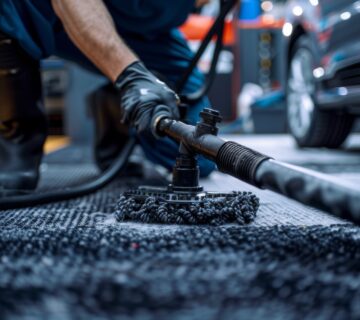
Choosing non toxic carpet cleaning goes far beyond being an eco-conscious decision; it's a direct investment in the health and wellbeing of your home. It means swapping harsh chemicals for powerful, safe alternatives, ensuring your living space is free from the harmful residues that can affect your family and pets.
Why Non Toxic Carpet Cleaning Matters
Standard carpet cleaners often rely on aggressive chemicals that can linger deep in the fibres long after the job is finished. These residues don't just stay put—they can become airborne, contributing to poor indoor air quality and triggering problems for anyone with allergies, asthma, or chemical sensitivities.
Because they spend so much time on the floor, children and pets are especially vulnerable to this kind of exposure.
Protecting Your Health and Home
Picture your toddler playing on a freshly cleaned carpet, or your dog napping in a sunny spot. With non-toxic methods, you get complete peace of mind, knowing they aren’t inhaling or absorbing irritating chemicals. Natural, plant-derived solutions are fantastic at breaking down dirt and stains without ever compromising on safety.
This shift towards healthier homes is being seen across the board. The global demand for professional cleaning has grown, largely driven by a post-pandemic rise in hygiene awareness. This trend has really boosted the popularity of non-toxic methods that use safer detergents and advanced steam technologies to protect both our health and our carpets.
By opting for non-toxic solutions, you're not just cleaning your carpet; you're actively removing potential irritants and improving the air your family breathes every day. This creates a truly clean and safe foundation for your home life.
Extending Your Carpet's Lifespan
It turns out that gentler cleaning agents are also much kinder to your carpet’s fibres. Harsh chemicals can weaken and discolour materials over time, causing them to wear out far too soon. Non-toxic approaches, on the other hand, preserve the integrity and colour of your carpet, helping it look its best for much longer.
If you want to take a closer look at this, you might find our guide on the benefits of eco-friendly carpet cleaning useful. It makes non toxic carpet cleaning a smart choice not just for your family's health, but for your home's long-term value, too.
Right, before you can get to grips with any spills or plan a proper deep clean, you need to have the right kit on hand. Being prepared for non toxic carpet cleaning is half the battle. When you have the right tools, you can tackle anything from muddy footprints to surprise stains without having to reach for those harsh chemical cleaners.
Your most important tool is a good quality vacuum cleaner, ideally one fitted with a HEPA filter. This isn't just about picking up the visible bits of dirt; a HEPA filter is designed to trap microscopic allergens, dust, and other nasties. Giving your carpet a thorough vacuum first dramatically improves your home's air quality before you even think about shampooing.
Once the vacuuming is done, you've got two main options: mix up your own cleaning solutions or use some trusted pre-made products. If you fancy the DIY route, you’ll be surprised at how effective a few basic cupboard staples can be.
Your Non-Toxic Carpet Cleaning Toolkit
To be ready for any carpet cleaning job, it helps to have a few essentials organised. This quick-reference table covers the key items you'll want, whether you're making your own solutions or using professional-grade products.
| Item | Primary Use | Why It's a Good Choice |
|---|---|---|
| High-Quality Vacuum | Removing loose dirt and allergens | A model with a HEPA filter traps fine particles, improving air quality. |
| Baking Soda | Deodorising and lifting stains | A natural, gentle abrasive that absorbs odours and greasy marks. |
| White Vinegar | Cutting through grime and stains | Its acidity is brilliant for neutralising alkaline stains like pet urine. Always dilute it! |
| Essential Oils | Natural fragrance and cleaning boost | Tea tree or lavender oils add a pleasant scent and have antibacterial properties. |
| Certified Eco-Cleaners | Convenient, targeted cleaning | Look for the EU Ecolabel to ensure they are genuinely eco-friendly and low in harmful chemicals. |
Having these items on hand means you’re well-equipped to handle most situations effectively and safely.
Must-Have Natural Ingredients
For those who prefer to make their own cleaners, these are the ingredients you'll turn to time and time again.
- Baking Soda: An absolute hero for deodorising. It's also a gentle abrasive, perfect for making a paste to lift light, greasy stains and absorb nasty smells.
- White Vinegar: The acidic properties of white vinegar make it fantastic for cutting through grime. It's also great at neutralising alkaline spots, like pet urine stains. Just be sure to always dilute it with water to avoid damaging your carpet fibres.
- Essential Oils: A few drops of tea tree, lavender, or lemon oil can really elevate your homemade solutions. Not only do they provide a lovely, natural fragrance, but they also bring their own antibacterial qualities to the mix.
If you'd rather have the convenience of a ready-made product, it's vital to know what you’re looking for. The market is flooded with "green" products, but not all of them are what they claim. You can confidently pick out genuinely non-toxic options by checking for proper certifications.
In the UK, keep an eye out for products certified with the EU Ecolabel. This is a government-backed scheme that guarantees a product has a lower environmental impact and restricts the use of hazardous substances. It’s a reliable mark of quality for a safe and healthy home.
Beyond certifications, always have a quick scan of the ingredients list. A truly non-toxic cleaner will be transparent about its contents, usually featuring plant-derived surfactants while steering clear of artificial fragrances, chlorine, and ammonia. Keeping a couple of these trusted products alongside your DIY essentials means you’re ready for any carpet cleaning challenge that comes your way.
A Practical Guide to Deep Cleaning Your Carpets
Right, you’ve got your non-toxic toolkit assembled, so let’s get stuck in. A truly effective non-toxic carpet cleaning session starts well before you even think about mixing up a cleaning solution.
The most crucial first step? A really thorough vacuuming. Take your time and go over the entire carpet slowly. Then, do it all again, but this time from a different direction. This simple trick helps lift far more of that stubborn, embedded grit and dust. If you skip this, you’re just turning dry dirt into mud once you add moisture.
With the prep work done, you've got a couple of excellent, chemical-free methods to choose from. Each has its own strengths, so you can pick the one that best suits your carpet and your schedule.
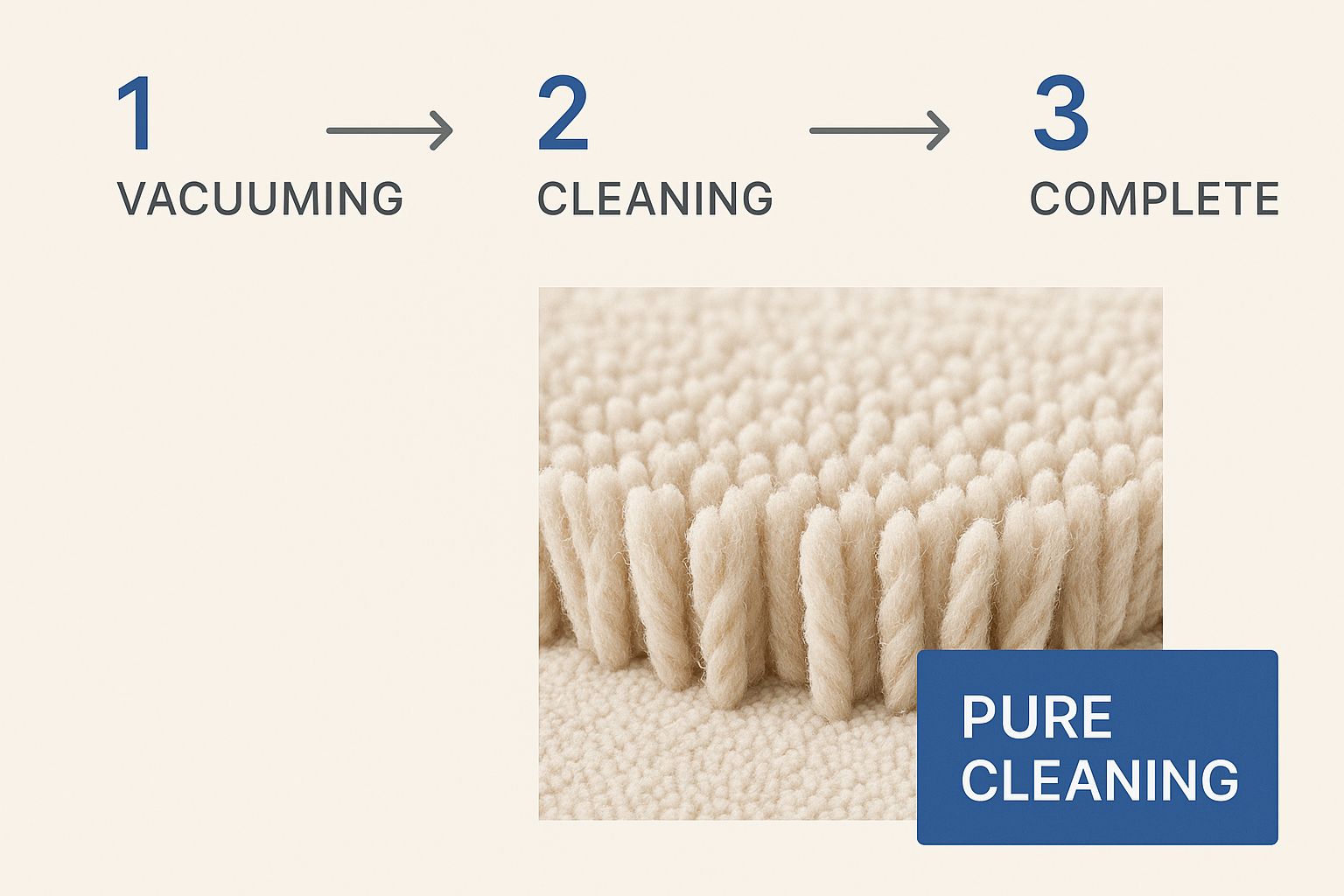
The real secret isn’t harsh chemicals; it’s using the right technique to bring your carpet fibres back to life.
The Steam Cleaning Method
For a deep, sanitising clean that gets right down to the base of the fibres, you can’t beat steam. A good steam cleaner uses high-temperature water vapour to kill 99.9% of bacteria and nasty dust mites without a single drop of chemicals. The intense heat works wonders, loosening ground-in grime which is then immediately extracted along with the excess water.
When you’re steam cleaning, remember these points:
- Just Use Water: Forget adding any soaps or solutions to the tank. The power is all in the pure, hot steam.
- Work Methodically: Move the machine slowly in overlapping rows, a bit like mowing the lawn. This ensures you get consistent, even coverage and don’t miss any spots.
- Plan for Drying: Once you’re finished, get the windows open and a fan going if you can. Your carpet needs to dry completely, which should only take a few hours with good ventilation.
Crucial Tip: Always, always do a patch test on a hidden bit of carpet first. Think inside a wardrobe or under the sofa. You need to be sure the heat won't cause any discolouration or damage, particularly with natural fibres like wool.
The Dry Cleaning Method
If you're pressed for time or have a delicate carpet that doesn't react well to water, the "dry" method using baking soda is a brilliant alternative. It's my go-to for a quick refresh between deeper cleans.
All you do is sprinkle a generous layer of baking soda across the entire carpet. Use a soft brush to gently work it down into the pile.
Let it sit for at least 30 minutes, or even a few hours if you’re tackling strong odours, giving it time to absorb smells and oils. Then, just vacuum it all up thoroughly. You’ll be amazed at how much fresher and brighter your carpet looks and smells. For those interested in professional approaches, looking into specialised low moisture carpet cleaning methods can offer even more insight.
No matter which method you choose, always blot stains, don’t rub them. Rubbing just grinds the stain deeper and can fray the carpet fibres. Getting these techniques down will help you keep your home looking and feeling beautifully clean. For more in-depth steps, check out our guide on https://www.agcarpetspecialist.co.uk/2025/06/23/how-to-deep-clean-carpets-at-home/.
How to Tackle Tough Stains Naturally
Life is full of little accidents, but they don't have to ruin your carpets or force you to use harsh chemical cleaners. Armed with a few simple household ingredients and the right know-how, you can handle most common spills. It's proof that a non toxic carpet cleaning approach has more than enough power for even the most stubborn spots.
The real trick is to act fast and match your method to the stain.
For Greasy Spills and Food Stains
Grease and oil from things like salad dressing or a dropped piece of buttered toast can feel like a disaster. This is where baking soda becomes your best friend; its ability to absorb grease is fantastic.
First, gently scrape away any solid bits of food or residue. Next, you’ll want to be generous with the baking soda—sprinkle it liberally over the entire stain until it's completely covered. Just let it sit for at least an hour, or even longer for a particularly bad spill, so it has time to pull the grease right out of the carpet fibres. A quick vacuum will lift it all away.
If a slight mark remains, a little diluted white vinegar on a cloth can help break down what's left.
Neutralising Pet Accidents and Odours
When it comes to pet urine, you have two jobs: clean the visible stain and kill the odour to stop your furry friend from returning to the same spot. The lingering smell comes from uric acid, which ordinary soaps and detergents just can't break down properly.
White vinegar is the perfect tool for this. After blotting up as much liquid as you can with a clean, dry cloth, spray the area with a 50/50 solution of white vinegar and water. Let it work its magic for a few minutes, then blot the area again with a fresh cloth.
Once the spot has dried, sprinkle it with baking soda to draw out any remaining odour. This duo tackles both the stain and the smell at a molecular level—a cornerstone of truly effective non-toxic cleaning.
Lifting Coffee and Red Wine Stains
With dark, tannin-based stains like coffee and red wine, your biggest advantage is speed. The moment a spill happens, grab a clean, dry cloth and blot, blot, blot. Your goal is to soak up as much of the liquid as possible before it sets.
Believe it or not, a simple paste made from salt and a splash of cold water can work wonders here. Apply the paste directly to the stain, let it sit for several minutes, and then gently blot it away with a damp cloth. For those extra-challenging situations, our in-depth guide on how to remove stubborn carpet stains has more expert techniques you can try.
The principles behind using natural solutions aren't just for your floors. If you're keen to reduce chemical use around your home, you can find similar eco-friendly approaches, like these natural pest control methods for gardens.
When to Call a Green Cleaning Professional
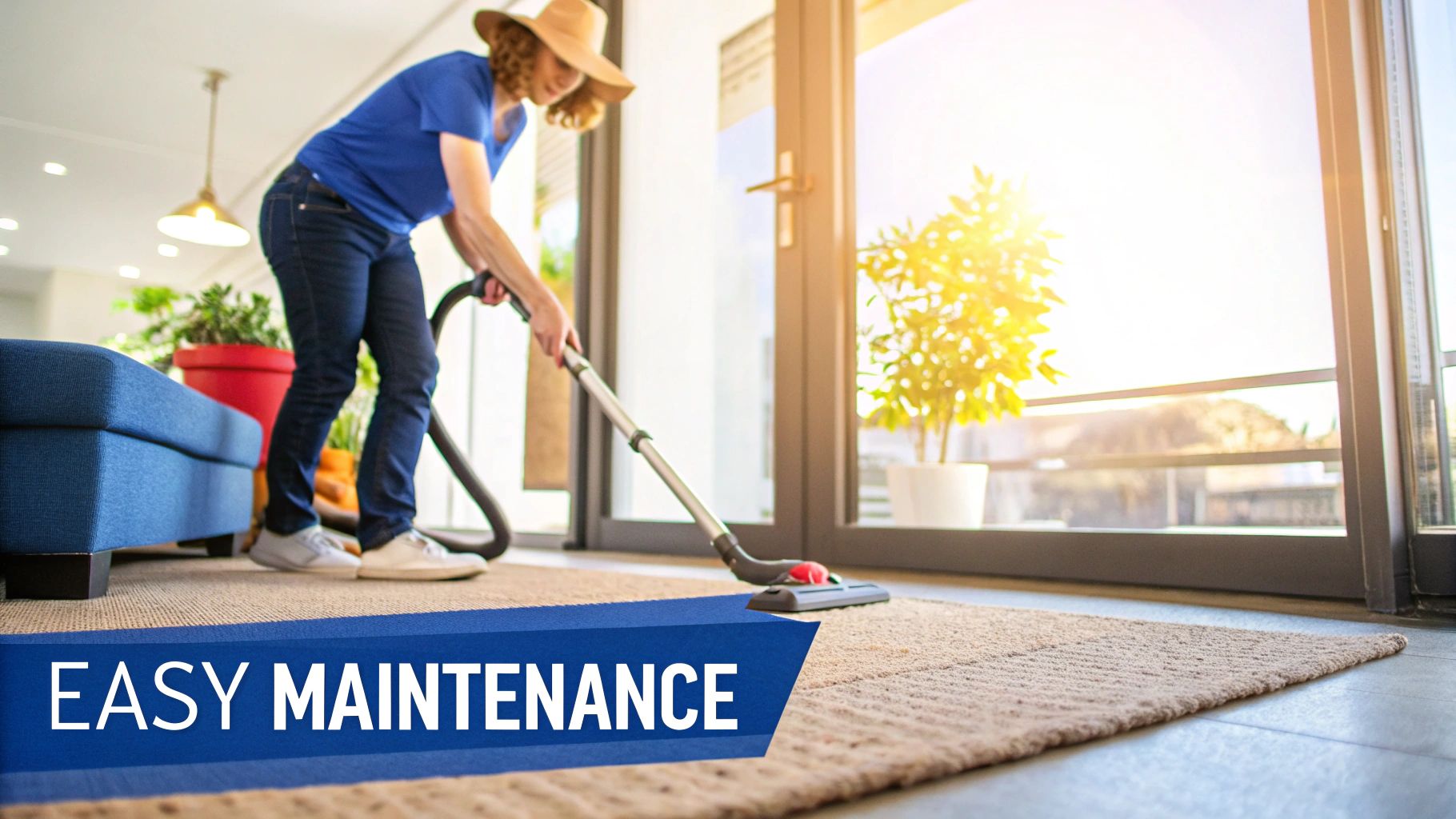
While your DIY eco-friendly solutions are perfect for tackling everyday spills and general upkeep, there are times when you simply need to bring in the experts. Knowing when to make that call can save you a lot of time and frustration, and ultimately protect your carpets from accidental damage.
Sometimes, a stain is just too stubborn or a situation is too complex for home remedies. Think of extensive water damage after a leak, or that mystery stain that’s been setting into your living room carpet for months. Delicate materials like wool or silk also need a very careful, professional touch – the wrong cleaning solution could cause permanent harm. This is where investing in a professional non-toxic carpet cleaning service really pays off.
Vetting Your Green Cleaning Company
Finding an eco-conscious cleaner in the UK has become much easier. The cleaning industry has seen massive growth, valued at £59.8 billion back in 2021, and the number of businesses shot up to over 75,500 by 2023. You can read more about this on Policybee.
With so much choice, it's vital to make sure a company is genuinely "green." Don't be afraid to ask some direct questions before you book:
- What specific cleaning solutions do you use? A true professional will happily tell you the products they use and confirm they are free from harsh, toxic chemicals.
- Are your products certified by a recognised body? Look for credible eco-labels that prove their commitment to low environmental impact.
- How do you manage water usage? The best green cleaners use low-moisture methods, which not only conserve water but also mean your carpets will dry much faster.
Choosing a professional is about more than just getting your carpets clean; it’s about trusting someone with the health and safety of your home. Asking the right questions ensures you find a company that shares your commitment to a non-toxic environment.
Our guide to professional carpet cleaning services has even more advice on finding the perfect expert for your home.
Your Top Questions About Non-Toxic Carpet Cleaning
It’s completely normal to have a few questions when you’re thinking about switching to non-toxic carpet cleaning. A big one we often hear is whether plant-based or homemade solutions can really stand up to the tough-acting chemical cleaners people are used to.
The answer is a definite yes. Modern eco-friendly formulas and professional methods like steam cleaning are incredibly powerful. Steam, for instance, doesn't need any added chemicals. It simply uses high-temperature water vapour to kill 99.9% of bacteria and germs, giving your carpets a deep, sanitised clean. Even simple ingredients like vinegar and baking soda are brilliant because they work on a molecular level, breaking down stains and getting rid of odours instead of just covering them up.
How Often Should I Get My Carpets Cleaned?
For most homes, we recommend a thorough, deep clean every 12 to 18 months. This keeps things fresh and helps prolong the life of your carpet.
However, if you have pets, young children, or anyone with allergies at home, you might want to consider cleaning them more frequently. Every 6 months is a good rule of thumb in these cases to help maintain better air quality and keep allergens at bay.
The great thing about non-toxic methods is their versatility; they are safe for almost every type of carpet, from common synthetics to most natural fibres. Still, it's always wise to test a small, hidden patch first just to be certain your specific carpet material reacts well.
If you're interested in mixing up your own solutions, we've put together a full guide on creating an effective natural carpet cleaner.
For a professional touch that guarantees a safe and healthy home, trust the experts. Contact AG Carpet Specialists today for a free quotation and see how we can restore your carpets. Visit us at https://www.agcarpetspecialist.co.uk.