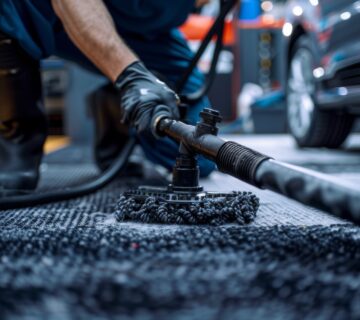
So, the big question on every homeowner's mind after a clean: how long does carpet take to dry?
In the UK, a professionally cleaned carpet should be completely dry within 6 to 12 hours. You can think of this as a solid rule of thumb, but it’s not set in stone.
The Quick Answer on Carpet Drying Times
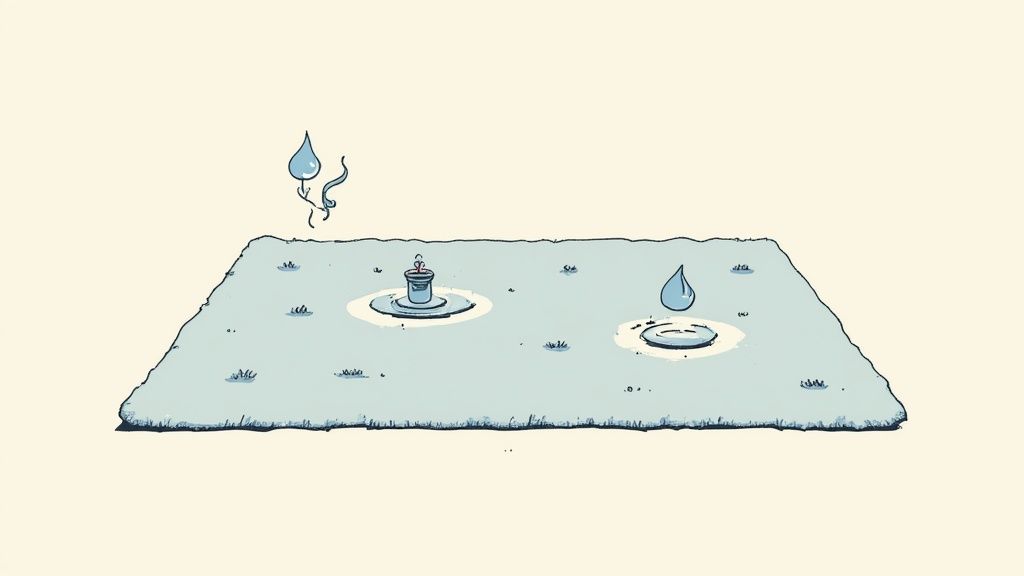
While that 6 to 12-hour window is the simple answer everyone wants, the reality is a little more complex. Several crucial factors can speed things up or, frustratingly, slow them down. The final drying time really depends on your home’s unique environment and the specifics of the cleaning job.
Most professionally cleaned carpets are dry and ready to use on the same day. This is mainly down to the powerful hot water extraction machines we use, which pull out the vast majority of moisture right away.
To get a clearer picture for your own home, it really helps to understand the key variables at play. The main ones are:
- The cleaning method used (a professional job vs. a DIY rental machine)
- Your carpet’s material (natural wool vs. synthetic fibres like polypropylene)
- The conditions inside your home (airflow, temperature, and humidity)
Knowing about these factors is the difference between having a carpet that’s ready for the family in a few hours and one that stays annoyingly damp for a whole day. A bit of knowledge goes a long way in setting realistic expectations.
For those keen to get their rooms back to normal as quickly as possible, we've put together a handy guide on the best way to dry carpet after cleaning, which is packed with practical tips.
Estimated Carpet Drying Times in the UK
To give you a clearer idea, here's a quick reference table showing typical drying times based on the cleaning method and the type of carpet you have.
| Carpet Fibre Type | Professional Cleaning (Hot Water Extraction) | DIY Cleaning (Rental Machine) |
|---|---|---|
| Wool | 8-12 Hours | 12-24 Hours |
| Polypropylene (Synthetic) | 4-8 Hours | 8-16 Hours |
| Nylon (Synthetic) | 6-10 Hours | 10-20 Hours |
As you can see, professional equipment makes a significant difference, often halving the drying time compared to rental machines. Natural fibres like wool also hold onto moisture for longer than their synthetic counterparts.
The Hidden Factors Controlling Drying Speed
Ever wondered why one freshly cleaned carpet is dry in a few hours, while another stays stubbornly damp all day? The answer to how long does carpet take to dry often comes down to a few powerful, but easily overlooked, factors in your home. Once you understand them, you're in control of the process and can get your room back to normal much faster.
Think of the air in your room like a sponge. Warm, dry air acts like a brand-new, thirsty sponge, ready to soak up every last drop of moisture from your carpet fibres. Cold, damp air, on the other hand, is like a sponge that’s already full—it simply can’t absorb any more water, leaving your carpet feeling soggy for longer. This is exactly why a warm, well-ventilated room is your best friend after a carpet clean.
This infographic clearly shows how different drying methods, which directly influence these environmental factors, can dramatically change the time it takes for your carpet to dry.
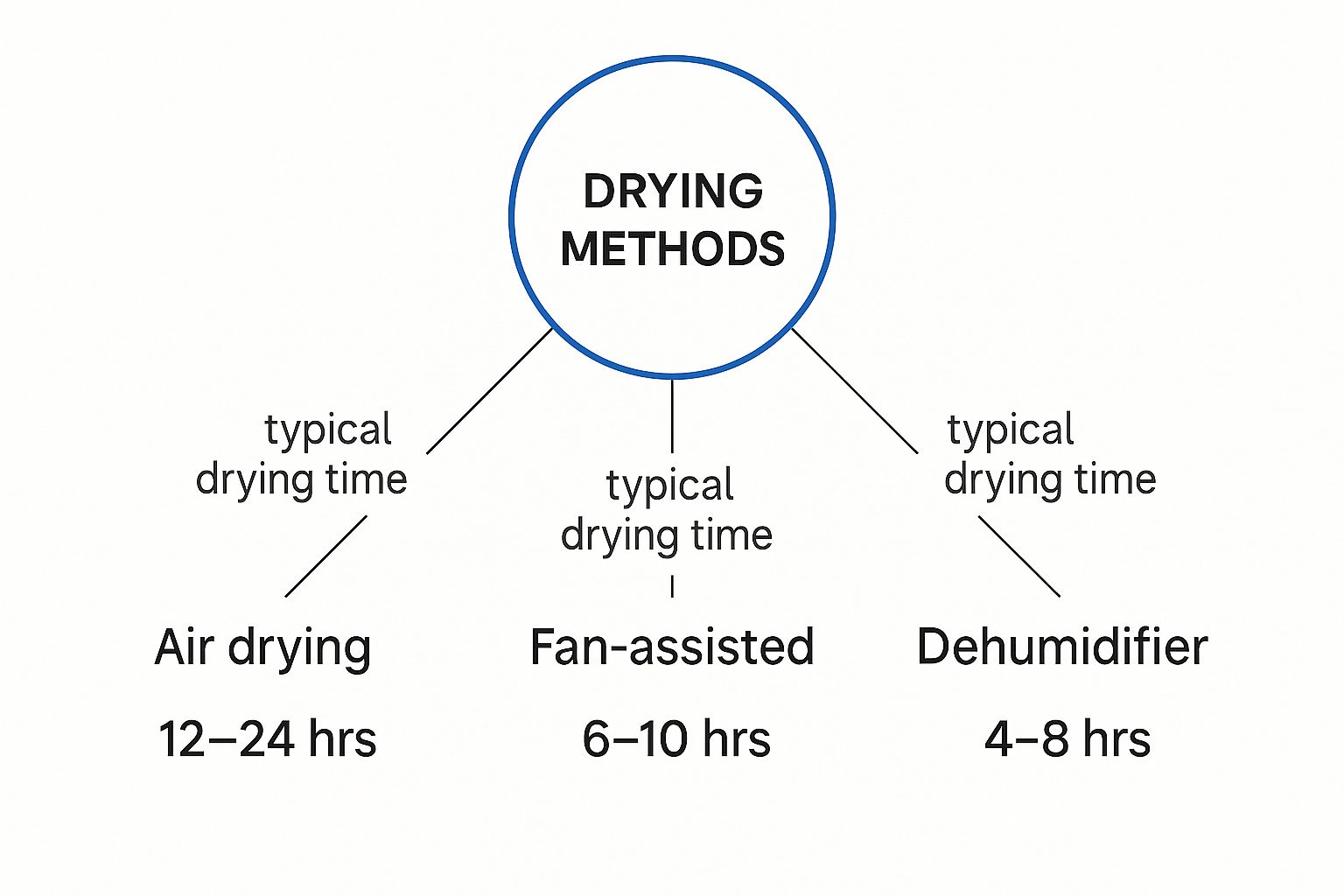
As you can see, being proactive with tools like fans or a dehumidifier can easily cut the standard drying time by more than half. What could have been a full-day job becomes a quick afternoon task.
Key Environmental And Carpet-Specific Factors
Beyond just turning on a fan, several other details play a major role. Let's break down the most critical ones so you can figure out your own situation and speed things up.
- Airflow and Ventilation: A room with still, stagnant air traps humidity right above the carpet, stopping evaporation in its tracks. Simply opening a few windows to create a cross-breeze or placing a fan in the doorway is often enough to push this damp air out and pull fresh, drier air in.
- Carpet Thickness and Density: It makes sense that a deep, plush shag pile carpet will hold significantly more water than a thin, low-pile Berber. Thicker carpets have far more surface area and naturally need more time to release all that moisture from deep within their core.
- Cleaning Method: The equipment used makes a huge difference. Professional hot water extraction machines are built with immensely powerful vacuums that pull back almost all of the water they put down. In contrast, many rental machines lack this suction power, leaving the carpet backing much more saturated.
The goal should never be to just let a carpet "air dry" on its own. The best approach is to create an active drying environment. By managing the airflow and temperature, you aren't just waiting around—you are taking direct action to speed up evaporation.
For a closer look at practical solutions, our guide on essential carpet cleaning tips offers more expert advice you can use immediately. By taking control of these factors, you can consistently achieve the fastest, most efficient drying times possible.
How Your Carpet's Material Affects Drying
When you're trying to work out how long does carpet take to dry, one of the biggest clues is literally right under your feet. The material your carpet is made from plays a massive part in how it behaves with water, which directly impacts the final drying time. Not all fibres are created equal in this department.
Think about the difference between drying a thick cotton towel and a nylon raincoat. The towel seems to grab and hold onto every last drop of water, taking ages to feel properly dry. Meanwhile, the raincoat just lets water bead up and roll away. Your carpet's fibres act in a very similar way, and they generally fall into two main camps.
Natural vs Synthetic Carpet Fibres
Natural fibres, particularly wool, are famous for being highly absorbent. While this is great for making them feel luxurious underfoot and even helping to manage humidity in a room, it becomes a bit of a problem during a deep clean. Wool acts like a dense, natural sponge, soaking up a lot of water and holding onto it tightly.
On the other hand, you have synthetic fibres like polyester, nylon, and polypropylene. At their core, these are all forms of plastic, making them non-absorbent by their very nature. Instead of the water soaking into the actual fibres, it just clings to the surface, making it far easier for circulating air to whisk the moisture away.
Key Takeaway: The core difference is simple. Natural wool absorbs water into its very fibre, while synthetic materials only let water sit on their surface. This is why a synthetic carpet nearly always dries faster than a wool one under the same conditions.
This isn't just a minor detail; it can be the difference between a few hours and a full day. Data from UK professional cleaners really brings this to light. You can learn more about how carpet fibre affects drying times from UK cleaning specialists, but the long and short of it is that very absorbent wool carpets can often require up to 24 hours to dry completely. In contrast, their synthetic cousins are usually ready within a much quicker 6 to 12-hour window.
Just knowing what your carpet is made of helps you set realistic expectations right from the start.
Professional Cleaning vs DIY Rental Machines
When you’re thinking about how long your carpet will take to dry, one of the biggest factors is the choice between hiring a professional and renting a machine from the local supermarket. The difference is more than just convenience; it’s about sheer power and efficiency.
It really all boils down to one critical thing: water extraction.
Think of it like wringing out a soaking wet towel. A professional hot water extraction clean is like giving that towel a powerful, two-handed twist until only a slight dampness is left. A typical DIY rental machine, on the other hand, is more like a gentle, half-hearted squeeze. It just doesn't have the commercial-grade suction to pull the vast majority of water back out.
This is a huge problem. Rental machines often push water deep into the carpet's backing and even the underlay, creating a soggy mess that can take days, not hours, to dry properly. This over-saturation is the number one reason for those horror stories of prolonged drying times, and it dramatically increases the risk of mould and musty smells taking hold.
The Power of Professional Equipment
We use powerful truck-mounted or high-spec portable units that heat water to the perfect temperature and feature incredibly strong vacuums. This combination delivers a deep clean that flushes out dirt and allergens without leaving excessive moisture behind. For a truly deep-down clean that gets rid of embedded dirt, you might want to look into professional deep cleaning services.
The whole point of a professional clean is to leave the carpet fibres feeling just damp to the touch, never soaking wet. Our powerful vacuums are designed to recover up to 95% of the moisture we use, which is why a fast drying time is a hallmark of a quality job.
Here in the UK, you can expect professionally cleaned carpets to dry in 6 to 8 hours. This is almost entirely down to that efficient water removal. It not only gets your room back to normal quickly but also protects the long-term health of your carpet. If you're curious about how we achieve this, you can learn more about our full professional carpet cleaning process.
Practical Steps to Speed Up Carpet Drying
Watching a freshly cleaned carpet dry can feel like an eternity, but you have more control over the process than you might think. With a few proactive steps, you can get your room back to normal much faster. It all comes down to creating the perfect environment for evaporation to happen quickly and efficiently.
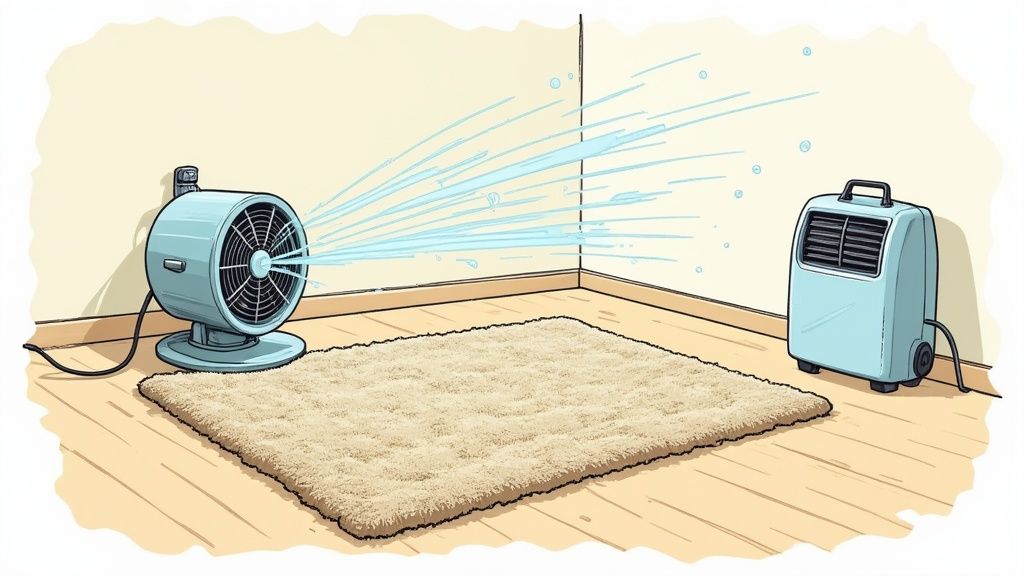
Your number one tool here is airflow. Think of the damp, heavy air sitting on top of your carpet like a wet blanket – you need to whisk it away. A simple cross-breeze from opening windows on opposite sides of the room works wonders. If it's a damp day outside, though, keep the windows shut and bring in the fans. Just make sure you position them to blow across the surface of the carpet, not straight down at it. This helps pull the moisture upwards and out.
For an even bigger boost, a dehumidifier is your best friend. These machines are brilliant because they actively pull moisture right out of the air, making it "thirsty" enough to draw more water from your carpet fibres.
The Do's and Don'ts of Drying
To get this done right, there are a few simple rules to follow. Good preparation is also a big part of the picture; you can find out more in our guide on how to prepare for professional carpet cleaning.
What you should do:
- Get the Air Moving: Open those windows or switch on fans to create good ventilation.
- Use a Dehumidifier: This is the quickest method for tackling moisture in the air.
- Turn Up the Heat: During cooler weather, a little bit of extra warmth from your heating will help speed up evaporation.
What you must avoid:
- Walking on the Carpet: Any foot traffic can flatten the damp fibres and immediately grind new dirt into your clean carpet.
- Putting Furniture Back Too Soon: Heavy items can leave permanent dents, and moisture trapped underneath can cause rust marks from metal feet or stains from wooden furniture.
The goal is simple: make it as easy as possible for water to leave your carpet and the room. Good airflow is the number one way to achieve this.
Taking a moment to understand the benefits of proper home ventilation can also make a huge difference in managing your home's humidity levels day-to-day.
Common Questions About Carpet Drying
Once our vans have pulled away and your carpets are looking fresh and clean, a few common questions tend to pop up. Getting the right answers is key to making sure you don't accidentally undo all that good work. Let's run through some of the queries we hear most often.
One of the biggest is whether it’s okay to walk on the carpet while it's still damp. The short answer is: it’s best if you don’t. Treading on damp fibres can crush the pile and grind any dirt from the bottom of your shoes straight into your freshly cleaned carpet. If you absolutely have to cross the room, pop on a pair of clean, white socks to avoid leaving marks or transferring colour.
Risks and Best Practices
Another worry we hear is about what happens if a carpet just won’t dry. If moisture hangs around for more than 24-48 hours, you risk creating the perfect environment for mould and mildew to grow. That’s what causes those musty smells and can even lead to health concerns, which is precisely why getting your carpet dry quickly is so important.
A lot of people assume that just whacking the central heating on full blast is the answer. While a bit of warmth definitely helps, it's not the whole story. Good air circulation is far more crucial for shifting that damp air and letting your carpet breathe.
Finally, for those with furry family members, the main question is about safety. It’s always best to keep pets off the carpet until it’s completely dry. This stops them from tracking in dirt or licking up any leftover cleaning solution. For a more in-depth look, we have a whole guide on pet-friendly carpet cleaning.
Answering these simple questions helps make sure your carpet dries perfectly, leaving it healthy, fresh, and ready for you and your family to enjoy.
For a professional clean that guarantees fast, efficient drying times and a healthier home, trust the team at AG Carpet Specialists. Contact us today for a free, no-obligation quotation.