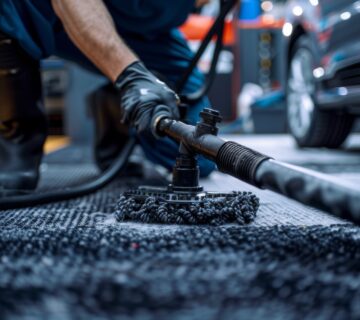
Eco-friendly carpet cleaning is about more than just a buzzword; it's a commitment to using non-toxic, biodegradable solutions and water-smart methods to get your carpets genuinely clean. It’s a way to get a deep, effective clean without bringing harsh chemicals into your home, protecting your family’s health and improving the air you breathe.
The Real Impact of Green Carpet Cleaning
So, what does "eco-friendly" really mean for your home once the cleaning van has driven away? The choice you make has real consequences that linger long after the fibres are dry. Traditional cleaning methods often lean on some pretty potent chemicals, which can leave behind a sticky, unseen residue.
This residue doesn't just stay on the surface; it becomes part of your home's ecosystem. Think about young children crawling around, or pets grooming themselves after a nap on the rug. For any family member with allergies or sensitivities, this is a major concern. Many of those conventional cleaners release Volatile Organic Compounds (VOCs), which can seriously compromise your indoor air quality and even trigger respiratory issues.
Why a Healthier Home Starts Underfoot
Choosing an environmentally friendly approach to carpet cleaning isn't a fad; it’s a practical step towards a healthier living space. When you opt for plant-based, biodegradable solutions, you sidestep the risk of introducing harmful toxins into your home. The result? A safer play area for the kids and a more comfortable environment for absolutely everyone.
The bottom line is simple: a clean carpet shouldn't come at the cost of clean air. Green methods focus on removing dirt, allergens, and dust mites without swapping them for a chemical footprint.
This shift towards non-toxic home care is making waves. The UK’s carpet and upholstery cleaning sector is a big deal, and it's projected to be worth nearly $5.98 billion USD by 2030. A huge driver for this growth is people like you focusing more on health and the quality of their indoor air.
Understanding the bigger picture of sustainable living, from the products you use on your floors to a full-scale eco-luxury apartment renovation, is key to creating a truly green home. Our detailed guide on eco-friendly carpet cleaning breaks down the practical steps you can take today. Ultimately, it’s about peace of mind—knowing your home is not just visibly spotless, but fundamentally healthier for the people you care about most.
Choosing Your Eco-Friendly Cleaning Arsenal

Walking down the cleaning aisle can be a bit of a minefield. So many products claim to be "green" or "natural," but what does that actually mean? It’s a choice more and more of us are making, especially as the UK cleaning industry—which was worth around £59.8 billion in 2021—is seeing a huge shift towards sustainable habits. With 40% of under-35s now hiring professional cleaners, the demand for healthier, low-impact methods has never been higher.
To cut through the noise, you need to look past the flashy green labels. The real mark of an eco-friendly product is a third-party certification. These seals are your guarantee that a product has met strict environmental and health standards.
Keep an eye out for these trusted logos:
- Green Seal: This tells you the product has a reduced impact on the environment and your health.
- EcoLogo: Products with this mark have been checked for their environmental impact from start to finish.
- WoolSafe Approved: If you have wool or other delicate natural-fibre carpets, this one is non-negotiable. It ensures the product is safe and won’t cause damage.
The DIY Route: Powerful Solutions from Your Pantry
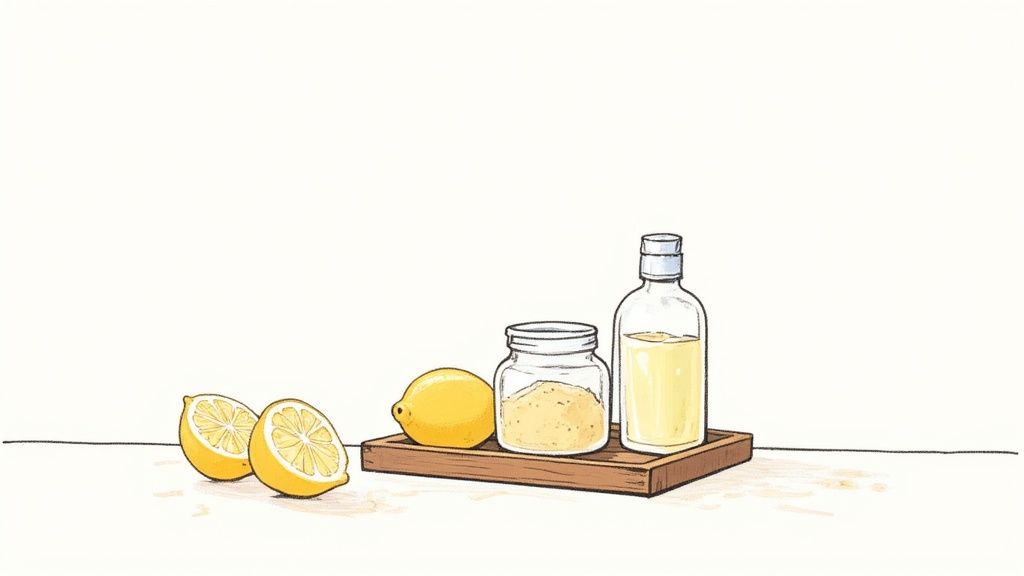
You don't always need to buy a specialised product. In fact, some of the most effective and wallet-friendly cleaning agents are probably sitting in your kitchen cupboards right now. Going the DIY route gives you total control over the ingredients, so you know exactly what’s safe for your family and pets.
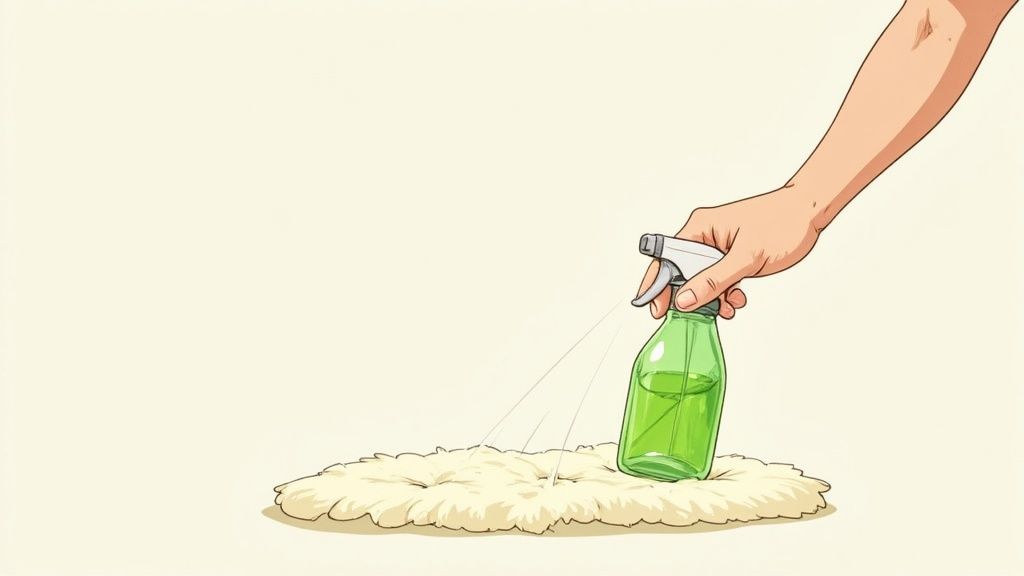
A simple mix of equal parts warm water and white vinegar is surprisingly powerful for tackling everyday grime. You'll find plenty of other natural vinegar cleaning tips that work wonders all over the house.
For tougher spots or lingering odours, a paste made from bicarbonate of soda and a little water is a game-changer. Just apply it to the stain, let it dry completely, and then vacuum it up. Easy.
Pro Tip: Whether you're using a store-bought cleaner or a homemade solution, always do a patch test first. Find a hidden spot—under the sofa or in a corner—to make sure it doesn’t cause any discolouration before you tackle a more visible area.
Natural vs. Certified Eco-Friendly Cleaning Agents
Deciding between a certified product and a DIY recipe often boils down to the cleaning challenge at hand. To help you choose, here’s a quick comparison of what’s in your cupboard versus what you can buy off the shelf.
| Cleaning Agent | Best For | Application Tip | Considerations |
|---|---|---|---|
| White Vinegar & Water | General freshening up, light stains, neutralising odours. | Use a 1:1 ratio in a spray bottle. Mist lightly, don't soak the carpet. | The vinegar smell dissipates as it dries. Not suitable for all natural fibres. |
| Bicarbonate of Soda | Absorbing greasy stains, pet accidents, and tough odours. | Make a paste with water for stains or sprinkle dry for odours. Let it sit before vacuuming. | Can leave a fine residue if not vacuumed thoroughly. |
| Certified Eco-Cleaners | Specific, stubborn stains like ink, oil, or red wine. | Follow the product's instructions to the letter for best results. | More expensive than DIY options but highly effective for tough jobs. |
| Plant-Based Soaps (e.g., Castile) | Mild, general-purpose cleaning and spot treatments. | Dilute heavily with water. Use a tiny amount to avoid soapy residue. | Can attract dirt if not rinsed properly. Check if it's safe for your carpet type. |
Ultimately, a well-stocked eco-friendly cleaning kit probably has a bit of both. A trusted certified cleaner is great for emergencies, while knowing how to whip up a simple solution from household staples is perfect for everyday maintenance. If you’re keen to explore more DIY options, our complete guide on making your own https://www.agcarpetspecialist.co.uk/2025/06/30/natural-carpet-cleaner/ is packed with detailed recipes and tips.
How to Prep Your Carpets Like a Pro
Any truly effective carpet clean, especially an eco-friendly one, starts long before you mix up your solutions. Getting that professional-level result really comes down to the prep work. It’s the secret to making sure your natural cleaners can do their job properly, and it all begins with a really thorough vacuum.
Don’t just give the floor a quick once-over. The aim here is to pull out as much dry soil, dust, and general grit as possible. You’d be surprised how much gets trapped deep in the pile, and if you leave it there, it just turns to mud the moment you add any moisture.
Beyond the Basic Hoovering
To get this right, you’ll need to make friends with your vacuum cleaner’s attachments. That little crevice tool is brilliant for getting right up to the skirting boards, which is a classic dust trap.
For the high-traffic spots—think hallways or right in front of the sofa—go over the area several times. Work from different directions to really agitate and lift those trodden-down fibres and get the stubborn dirt out.
Once the loose stuff is gone, it’s time to play detective and tackle any obvious stains before the main clean. Different marks call for different natural remedies.
- Greasy or oily spots: A generous sprinkle of bicarbonate of soda or even cornflour is your best bet. Let it sit for a good 15-20 minutes to soak up the grease, then just vacuum it away.
- Organic stains like coffee or juice: A simple mix of equal parts white vinegar and water often does the trick. Just lightly dab it onto the stain with a clean, white cloth.
- Pet accidents: After blotting up the initial mess, that same vinegar and water solution is great for neutralising odours. Follow up with a bit of bicarb to absorb any leftover moisture and smells.
The golden rule here is to always blot, never rub. Rubbing just forces the stain deeper into the carpet and can fray the fibres, making it look worse and much harder to remove.
Before you get started on the main event, clear the room as best you can. Move small bits of furniture like coffee tables and chairs out of the way completely. For bigger things like sofas or bookcases, you can always work in sections. If you are shifting anything heavy, pop some furniture sliders underneath to save your back and protect your floors.
A bit of effort now makes the whole cleaning process quicker, smoother, and far more effective. For a deeper dive into techniques, our guide on how to deep clean carpets at home has plenty more tips.
Mastering Green Cleaning Techniques
With your carpets all prepped, it’s time to get stuck into the cleaning itself. Green carpet cleaning isn't about scrubbing harder; it’s about working smarter with methods that are effective, responsible, and most importantly, safe for your home. Two of the most powerful techniques in our arsenal are low-moisture steam cleaning and the dry powder method.
Choosing the right one often comes down to your carpet type and how much drying time you can afford. Either way, you'll get a fantastic clean without resorting to harsh, synthetic chemicals, ensuring your home remains a healthy sanctuary.
The Power of Low-Moisture Steam Cleaning
Steam cleaning, which you might also hear called hot water extraction, is a true champion of deep cleaning. The eco-friendly version takes this brilliant process and refines it, using far less water and pairing it with natural, plant-based cleaning solutions. This approach is a real game-changer, especially for households with pets or allergy sufferers.
The trick is to avoid completely soaking your carpet. A common mistake I see is people using way too much water, which can seep into the underlay and create a perfect breeding ground for mould and mildew. You want to move the machine at a steady, even pace, and then do a second pass without dispensing any water to pull out as much moisture as possible.
Here’s a little tip from my years of experience: lay down some old, clean towels on a section you've just finished. Gently walking on them helps blot up any lingering dampness and can seriously speed up the drying time. This small step makes a massive difference in preventing that musty smell. Our guide on safe carpet cleaning for pets has more advice for keeping your furry friends safe during the process.
Embracing the Dry Powder Method
For more delicate fibres like wool or silk, or when you simply can’t wait hours for a carpet to dry, the dry powder method is your best friend. This technique uses an absorbent, biodegradable compound that basically acts like a collection of tiny sponges.
You just sprinkle the powder evenly across the carpet, then use a soft-bristled brush to gently work it into the fibres. This is where the magic happens; the compound latches onto dirt and grime. Let it sit for the recommended time—usually around 15-30 minutes—before vacuuming it all up.
A critical tip here is to use a brush with soft bristles. A stiff brush can easily damage the carpet pile, especially on more delicate materials. The goal is to work the powder in, not scrub the fibres apart.
Innovations like low-moisture extraction and modern steam cleaning have become central to effective green cleaning. These methods drastically cut down on chemical and water usage, which not only helps reduce allergens but also lowers the environmental footprint of the whole process.
The infographic below shows a simple three-step recipe for a DIY eco-friendly spot cleaner you can whip up at home.
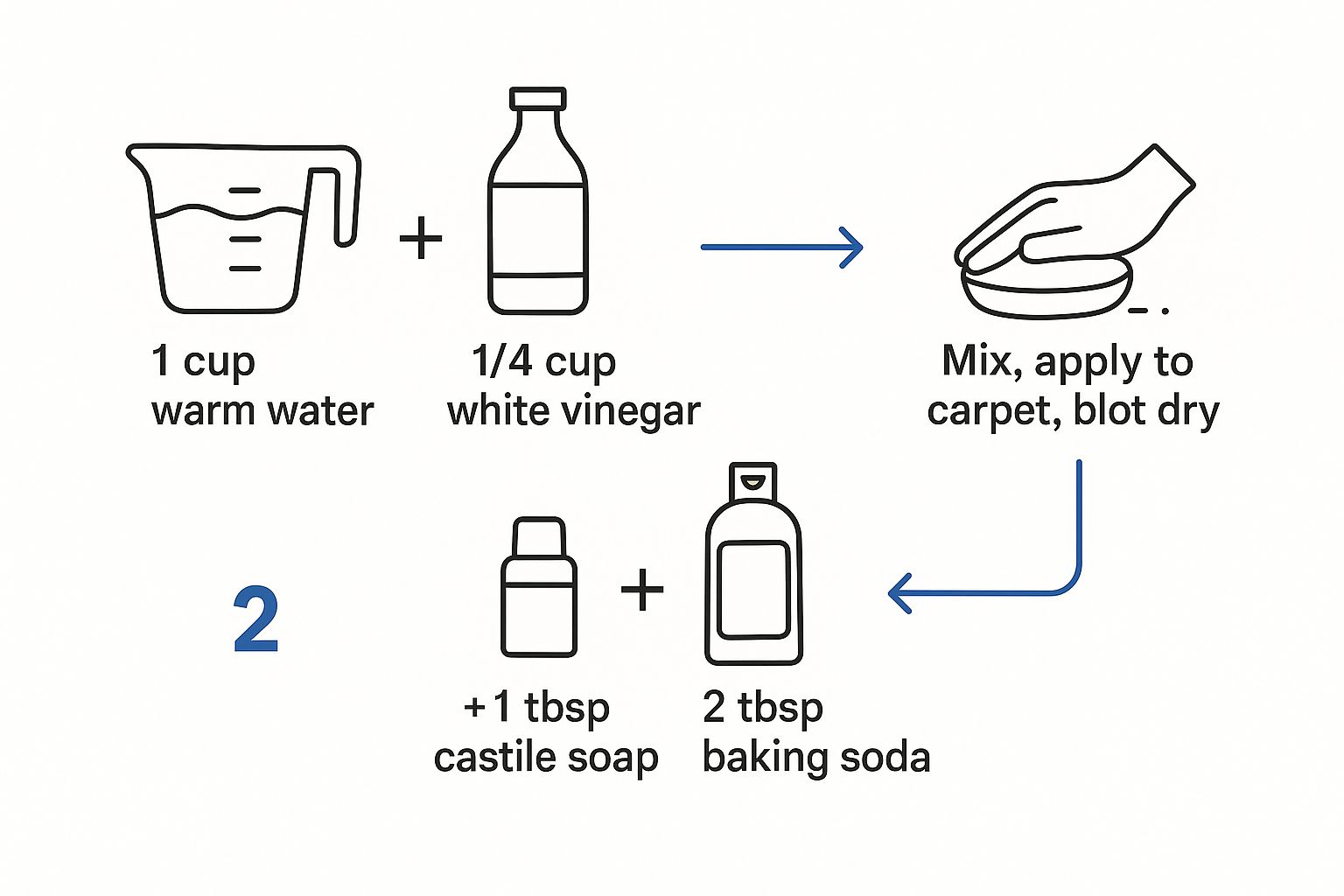
As you can see, combining a few simple household ingredients creates a powerful yet gentle solution for tackling those fresh spills.
Post-Cleaning Care for Lasting Freshness
There’s a real sense of satisfaction after you’ve finished an eco-friendly carpet clean, but the job isn't quite done when you switch off the machine. What you do in the next few hours is absolutely critical for locking in that freshness and making sure your hard work pays off. It all comes down to one thing: proper drying.
A damp carpet is a magnet for mildew and musty smells, which will undo all your good work in no time. The key is to get the air moving. Throw open any windows you can, even for just an hour or two, to let fresh air circulate and help all that moisture evaporate.
Fans are also your best friend here. If you have ceiling fans, get them spinning. Otherwise, a few portable fans placed at floor level and angled across the carpet's surface will dramatically speed up the process and ensure a more even dry.
When to Return to Normal
The big question we always get is, "How long until I can walk on it?" I know it's tempting to get the room back to normal straight away, but a little patience goes a long way. As a general rule, try to wait at least 6-8 hours before allowing regular foot traffic.
If you absolutely have to cross the room, make sure you're wearing clean, white socks. This helps prevent any dirt transferring from your feet onto the still-vulnerable fibres. Definitely no shoes at this stage!
For the heavy stuff – sofas, bookcases, coffee tables – you really need to wait a full 24 hours. Pushing furniture back too soon not only leaves permanent indentations in the damp carpet pile but can also trap moisture underneath, leading to discolouration or even mould.
Here's a little pro tip: when you do move your furniture back, pop small squares of foil or plastic under the legs for the first couple of days. It’s a simple trick that prevents any colour bleed from wood stains or rust from metal feet ruining your beautifully clean carpet.
Maintaining Your Freshly Cleaned Carpet
With your carpet clean and perfectly dry, a simple maintenance routine will keep it looking fantastic for much longer. This proactive approach means you’ll need to do a deep clean less often, which is better for your carpet, your time, and the environment.
A few small habits can make a huge difference:
- Use Doormats: A good quality doormat at every entrance is your first line of defence. You’d be amazed how much dirt is tracked in on the bottom of shoes.
- Tackle Spills Immediately: The longer a spill is left, the harder it is to get out. Blot it straight away with a clean, dry cloth. Always work from the outside of the spill inwards to stop it from spreading.
- Vacuum Regularly: Make it a habit to vacuum high-traffic areas two or three times a week. This stops loose dirt and grit from getting trodden deep into the fibres, where it acts like sandpaper and causes wear over time.
Adopting these straightforward habits will genuinely extend the life of your carpet and keep your home feeling fresh and clean.
Your Top Questions About Green Carpet Cleaning Answered
It's only natural to have a few questions before switching up your routine. Many people I speak with are curious if eco-friendly methods can really tackle years of built-up grime or those really stubborn stains. Let's clear the air and address some of the most common queries I hear.
One of the biggest questions is whether homemade solutions are genuinely as effective as their powerful chemical counterparts. For day-to-day upkeep and dealing with fresh spills, the answer is a definite yes. Ingredients you probably have in your cupboard, like white vinegar and bicarbonate of soda, are brilliant for neutralising odours and lifting many common organic stains.
However, for deeply embedded, older stains—think a dried ink mishap or a splash of paint—you might need something with a bit more oomph. This is where certified eco-friendly commercial products come into their own, offering targeted formulas without the toxic chemicals. The real secret is to act fast and match the right natural solution to the specific type of stain you're facing.
Are Professional Services Really Green?
Another common worry is figuring out if a professional cleaning company's claims hold up. How can you be sure their service is as eco-friendly as they say? A truly green company will be completely open about their process and the products they trust.
Don't be shy about asking direct questions:
- What specific cleaning solutions do you use? (They should be able to name low-VOC, biodegradable, or plant-based brands).
- What is your main cleaning method? (Look for answers like hot water extraction, which prioritises using minimal water and detergent).
- Are your products certified by organisations like Green Seal or WoolSafe?
A company that's proud of its green credentials will have this information easy to find on its website and will be more than happy to chat about it with you.
The key takeaway here is that a legitimate eco-friendly service doesn't just use "green" soap; it's about the whole picture. It means incorporating water-saving equipment and responsible methods into its entire operation. This holistic approach is what separates the genuine experts from those just "greenwashing."
Dealing with Lingering Smells and Cleaning Frequency
A practical question that often comes up involves vinegar. Will cleaning with it leave your home smelling like a chip shop? While white vinegar does have a distinct, sharp smell when it's wet, this scent completely vanishes as your carpet dries. In fact, its acidic nature is fantastic at breaking down and getting rid of other, more stubborn odours trapped deep in the fibres.
Good ventilation is your best friend here. Just open a window, and the vinegar smell will be gone before you know it, leaving nothing but freshness behind.
Finally, how often should you carry out a deep, eco-friendly clean? For an average household, a deep clean every 12 to 18 months is usually plenty. However, if you have a busy home with pets or young children, you might want to bump this up to every 6 to 12 months. To get a better idea of the right schedule for your home, our guide on how often to clean carpets offers some detailed advice. Keeping up with regular vacuuming and quick spot treatments will make a huge difference in extending the time between those more intensive cleaning sessions.
Ready to experience a truly deep and healthy clean without the harsh chemicals? The team at AG Carpet Specialists uses state-of-the-art equipment and certified eco-friendly solutions to restore your carpets safely and effectively. Contact us today for a free, no-obligation quotation!