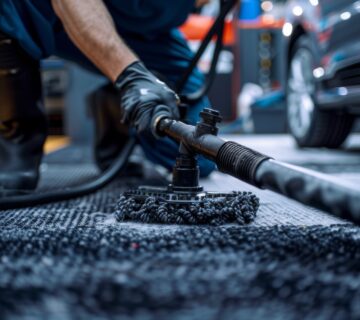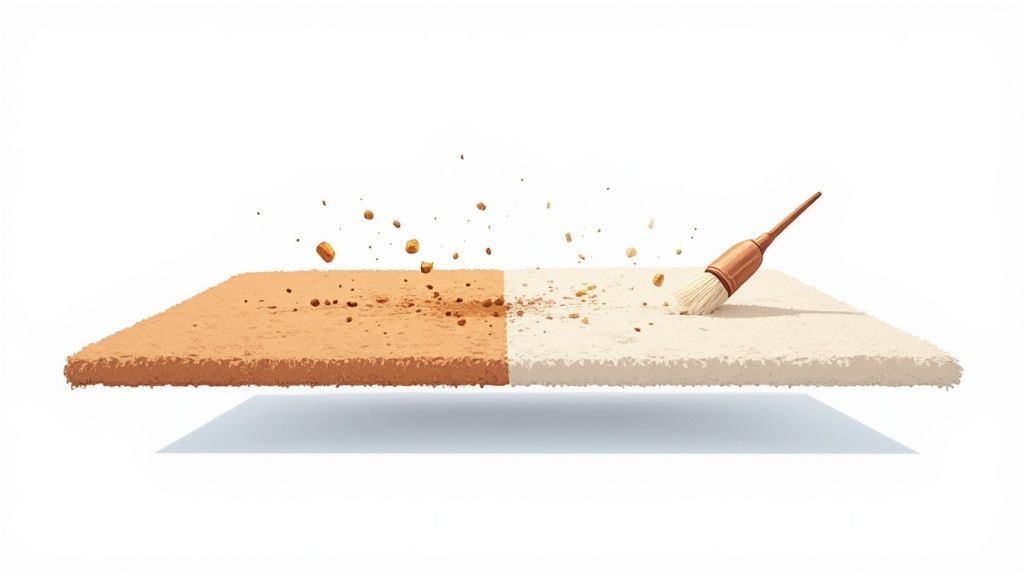
Not every rug can take a good soaking. For delicate materials like silk, viscose, or certain antique wools, rug dry cleaning is the safest and most effective method to prevent irreversible damage like shrinking, colour bleeding, or fibre distortion.
When Is Rug Dry Cleaning the Right Choice?
Think of it like doing your laundry. You wouldn't throw a delicate silk blouse or a tailored wool suit into the washing machine along with your cotton t-shirts, would you? The very same logic applies to your valuable rugs.
While a tough synthetic rug might come out fine after a wet shampoo, many natural and delicate fibres need a specialised, water-free approach to keep them looking their best. The decision really boils down to the rug's material and how it was made.
Certain fibres are notoriously sensitive to moisture. This is especially true for plant-based materials like jute and sisal, which can develop brown spots or become brittle if they get saturated. In the same way, the beautiful sheen of a viscose or silk rug can be permanently ruined by water, leading to what we call "pile distortion" where the fibres lose their smooth, uniform direction.
Key Indicators for Dry Cleaning
So, how can you tell if your rug needs this special treatment? The first place to look is the manufacturer's label, which often has clear cleaning instructions. If the label is missing or you can't read it, the material itself is your biggest clue.
Here are a few other signs that your rug is a prime candidate for dry cleaning:
- Water-Sensitive Dyes: Many older, hand-dyed rugs, particularly Oriental or Persian heirlooms, were made with dyes that aren't colourfast. Just a little water can cause these vibrant colours to bleed into each other, destroying the beautiful pattern forever.
- Delicate Construction: Hand-knotted rugs are true works of art, but their structure can be surprisingly fragile. The agitation from wet cleaning methods can easily loosen the knots or cause the foundation to stretch and warp out of shape.
- Natural Fibre Shrinkage: Natural fibres such as wool, cotton, and silk are all prone to shrinking when they get wet, which can completely ruin a rug's shape and size.
To make things a bit easier, here’s a quick reference table to help you decide on the best cleaning method for your specific rug.
Quick Guide to Cleaning Methods by Rug Material
| Rug Material | Wet Cleaning Suitability | Rug Dry Cleaning Recommended? |
|---|---|---|
| Wool | Generally safe, but with caution (low temp, mild detergent) | Yes, especially for antique or hand-dyed wool rugs. |
| Silk | Not recommended; water can damage fibres and sheen. | Yes, this is the safest method. |
| Cotton | Can be wet cleaned, but prone to shrinking/browning. | Yes, for delicate weaves or non-colourfast dyes. |
| Jute/Sisal | Not recommended; prone to browning and water stains. | Yes, essential to prevent damage. |
| Viscose | Not recommended; fibres weaken and distort when wet. | Yes, the only truly safe option. |
| Synthetic (Nylon, Polyester) | Yes, very durable and handles wet cleaning well. | Only necessary for specific stain types. |
This table is a starting point, but if you're ever in doubt, it’s always best to consult a professional.
The Professional Advantage
Choosing professional rug dry cleaning is really an investment in preserving your rug. It's a key part of the UK's wider cleaning market, which brings in an estimated £1.6 billion in revenue. A recent report on the UK dry-cleaning services industry shows that while the sector has seen a small dip, growth is expected as more homeowners recognise how important specialised care is.
By choosing a professional service, you aren't just cleaning your rug; you're protecting its value, structure, and beauty for years to come. This expert approach takes the guesswork and risk out of handling delicate textiles yourself.
Ultimately, knowing when to opt for this method is crucial. If you're ever unsure about the right approach for your rug, exploring a guide to professional rug cleaning services can provide much-needed clarity, helping you make the safest choice.
Of course. Here is the rewritten section, crafted to sound human-written and natural, following all your specific instructions.
The Professional Rug Dry Cleaning Process Explained
Handing over a treasured rug to a specialist can feel like a bit of a leap of faith. But professional rug dry cleaning isn't just a quick service; it's a meticulous craft, honed over years to protect and revitalise your textiles. Let's walk through the journey your rug takes when it receives this expert care.
It all starts not with the cleaning itself, but with a detailed inspection and fibre test. A trained technician will carefully examine your rug's weave, identify its specific fibres—be it wool, delicate silk, or a blend—and check the dyes for colourfastness. This first step is absolutely crucial. It dictates which cleaning method will be safest and most effective, preventing any heartbreaking damage.
Preparation: The Foundation for a Deep Clean
With a clear understanding of your rug's unique needs, the hands-on preparation can begin. The first and most important stage is a thorough pre-vacuuming. This is a world away from a quick once-over with your household vacuum. Specialists use commercial-grade equipment to gently lift out the deep-seated, abrasive grit that grinds away at fibres over time. Getting rid of these tiny "sandpaper" particles is vital for your rug's longevity.
Next, the technician moves on to targeted pre-spotting. Think of this as a precision strike against individual blemishes. Any visible stains from spilt coffee, pet accidents, or greasy marks are treated one-by-one with spotting agents designed specifically for that type of stain and your rug's fibre. This focused approach is far more effective and much safer than blasting the entire rug with a generic cleaner.
This kind of specialised care is becoming more popular. The wider UK cleaning industry, which contributes an incredible £59.8 billion to the economy, has seen a real boom in niche sectors like rug and upholstery cleaning. It seems our lifestyles are changing, with recent data showing that 40% of people under 35 now use professional cleaning services. You can find more details in these UK cleaning industry statistics on policybee.co.uk.
A true professional never cuts corners on preparation. Proper vacuuming and pre-spotting do much of the heavy lifting, setting the stage for the main cleaning phase to deliver the best possible results.
The Core Dry Cleaning Stage
With the prep work done, it's time for the main event. A specialised dry cleaning compound is spread evenly across the rug's surface. This isn't just a powder; it's a collection of tiny, absorbent, sponge-like particles lightly moistened with a perfectly balanced mix of water and cleaning agents.
Then comes the mechanical agitation. Using a machine fitted with soft, counter-rotating brushes, the technician gently works this compound deep into the pile. The movement is carefully calibrated—vigorous enough to dislodge stubborn dirt but gentle enough to protect even the most delicate fibres. The little "sponges" then absorb the loosened soil, locking it away.
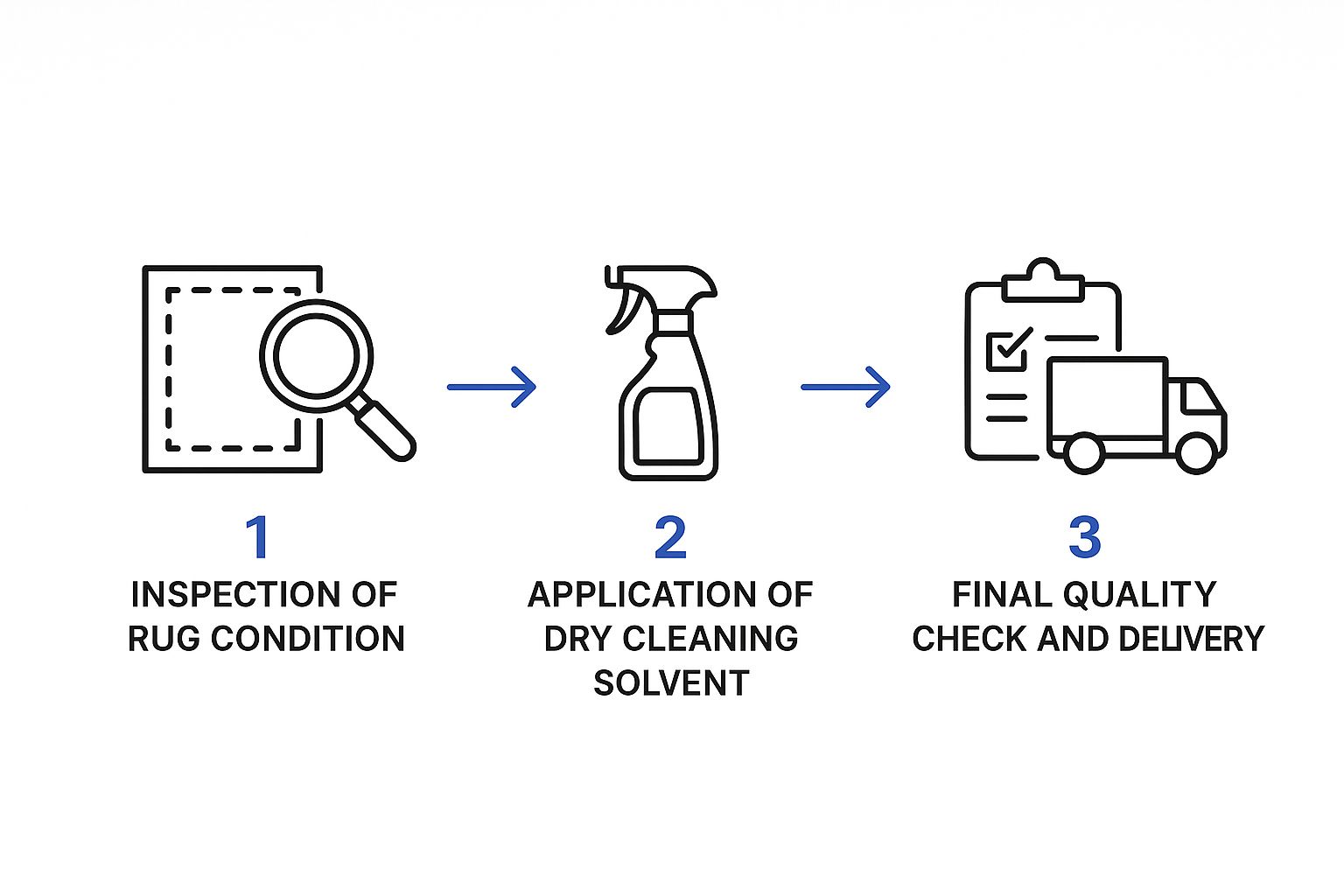
As this process shows, professional care is a highly structured, multi-step method. The focus is just as much on careful inspection and quality control as it is on the cleaning itself.
Finally, the job is finished with a final, thorough extraction. The same powerful vacuums from the first step are used again to carefully lift away every last particle of the cleaning compound, taking all the absorbed dirt and grime with it. Your rug is left clean, fresh, and remarkably, completely dry and ready to use straight away. A final quality check makes sure every spot has been handled before it's ready to come home.
Comparing Different Rug Dry cleaning Methods
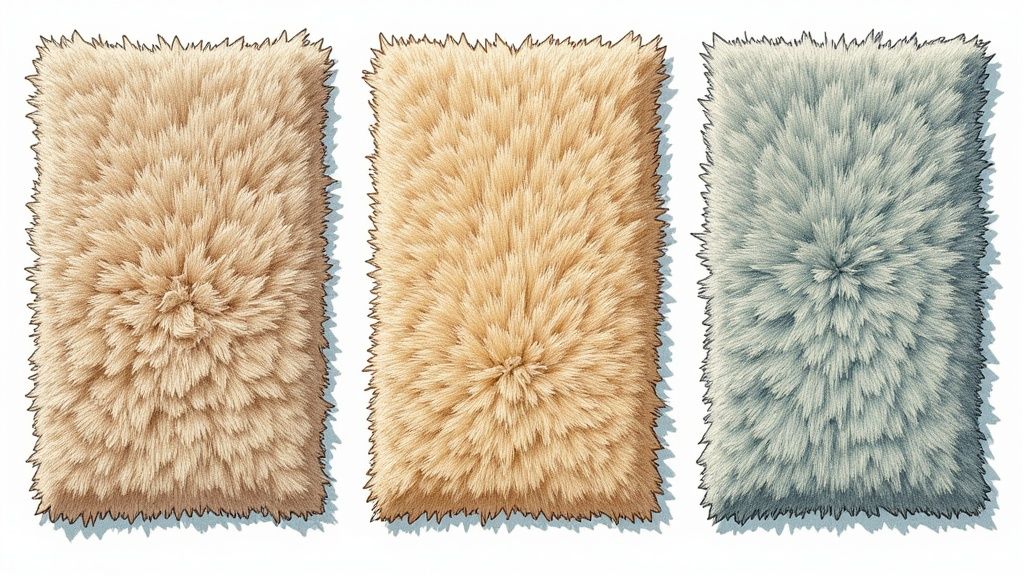
It's easy to think all "dry" cleaning methods are the same, but that’s not quite right. In the world of professional rug care, there are a few very distinct techniques, and a true specialist knows that picking the right one is crucial. The best method always comes down to your rug’s specific material, how it was made, and the kind of dirt it’s collected.
When you understand these different approaches, you can better appreciate the expertise that goes into a professional’s work. It helps you become an informed partner in your rug's care, making sure it gets the ideal treatment to look its best. Let's walk through the main methods a technician might recommend.
Dry Compound Cleaning
This is one of the most common and gentlest ways to dry clean a rug. Think of it like using millions of tiny, absorbent sponges. That’s essentially what the dry compound is—a collection of soft, organic particles lightly moistened with just a tiny amount of water, solvent, and safe cleaning agents.
The technician spreads this powder-like compound over the rug and uses a special machine with counter-rotating brushes to work it deep into the fibres. The magic happens in a few simple steps:
- The gentle brushing action loosens all the embedded dirt, dust, and grime.
- Those little ‘sponges’ in the compound attract and absorb all the dislodged soil.
- Finally, a powerful, professional-grade vacuum is used to lift away the compound, taking all the trapped dirt with it.
Because it uses so little moisture, this method is a top choice for delicate, natural-fibre rugs. It almost completely eliminates any risk of shrinking, colour bleed, or damage to the pile.
The real beauty of dry compound cleaning is its control. It cleans deeply without saturating the rug's foundation, making it a perfectly safe choice for precious textiles that cannot tolerate water.
Encapsulation Cleaning
Encapsulation is a more modern, low-moisture technique that sits somewhere between traditional dry and wet cleaning. Instead of absorbing dirt, this clever method uses special polymers to trap it.
First, a polymer solution is sprayed onto the rug, where it immediately starts to break down soils and oils. As this solution dries, it forms tiny crystals around the dirt particles, "encapsulating" them.
Once they're completely dry, these brittle crystals are easily shattered and lifted away with a thorough vacuuming, pulling the trapped dirt right out of the fibres. It's a fantastic option for a quick, revitalising clean without much downtime. For a more detailed look at various cleaning techniques, our comprehensive guide on different rug cleaning methods can offer further insights.
Solvent-Based Cleaning
While you wouldn't typically use it for a full rug clean, solvent-based cleaning is a powerful tool in any professional's kit, especially for specific problems. This technique involves non-water-based solvents that are brilliant at dissolving oily and greasy residues that water-based solutions simply can't handle.
Think of it as a precision treatment. A technician might use a specific solvent to carefully tackle a stubborn oil stain or remove something sticky like chewing gum or tar. It’s not an all-over approach but a targeted tool, chosen when its unique chemical properties are needed to break down a difficult stain without harming your rug’s delicate fibres.
DIY Rug Dry Cleaning: Can You Do It Yourself?
We all love a good DIY project. The satisfaction of saving a bit of cash while getting a job done is hard to beat. When you see at-home rug dry cleaning kits on the supermarket shelf, it’s only natural to wonder if you can get professional-level results for a tenner. But is it a clever saving, or are you gambling with a valuable part of your home?
https://www.youtube.com/embed/Ecg6QkGJGBQ
Let's be blunt: while these kits promise convenience, they're a completely different beast from a professional rug dry cleaning service. Approaching them requires real caution because the risk of causing permanent damage is surprisingly high. This isn’t just about getting a stain out; it’s about protecting the investment and character of your rug.
When a DIY Kit Might Be an Option
I'll be honest, the list of situations where a DIY kit makes sense is incredibly short. You should only ever consider using one if your rug meets all of these criteria:
- It’s inexpensive and synthetic: We're talking about a polyester or nylon rug that you're not emotionally or financially attached to.
- The spill is minor and fresh: You've just knocked something over and can tackle it immediately before the stain has a chance to set in.
- You've read every word of the instructions: You understand exactly what the product does and have patch-tested it on a hidden spot first.
Even if you tick all those boxes, you might find the results a bit lacklustre. These kits can sometimes handle a light, surface-level spot, but they simply don't have the muscle for deep-down grime or complicated stains. For anything more than a quick fix on a tough, modern rug, you’ll probably need a more powerful approach. If you’re dealing with hard-wearing carpets, our guide on how to deep clean carpets at home offers some more intensive methods.
The Serious Risks of DIY Rug Dry Cleaning
Now, for most rugs—especially anything made from natural fibres like wool or silk, or any piece with sentimental or financial value—using a DIY kit is a massive risk. The few quid you save are nothing compared to the potential cost of repairing or replacing a ruined rug.
The biggest problem is that the chemicals in these kits are a one-size-fits-all formula. Your rug, however, is unique. This mismatch can lead to a whole range of disasters:
- Permanent Colour Bleeding: Harsh solvents can destabilise the dyes in your rug, causing them to run and bleed into one another, destroying beautiful patterns for good.
- Irreversible Fibre Damage: Delicate fibres like silk or viscose can be stripped of their natural sheen, leaving them looking dull, feeling stiff, or even becoming fuzzy and frayed.
- Sticky Chemical Residue: Your household vacuum is no match for professional extraction equipment. It simply can't pull all the cleaning powder out, leaving behind a sticky residue that acts like a dirt magnet. Your rug will actually get dirtier, faster.
A professional service isn't just an expense; it's an investment in your rug's future. It’s about protecting its beauty, feel, and value from the very real dangers of using the wrong cleaning method.
This shift towards professional care is a growing trend. The global dry-cleaning market was recently valued at around USD 123.63 billion and is set to keep growing. It shows that more and more people are choosing to trust experts with their valuable items. You can discover more insights about these market trends on researchandmarkets.com, which really highlights this preference for professional quality.
Professional Service vs DIY Kits: A Risk-Benefit Analysis
When you lay all the cards on the table, the pros and cons of each approach become much clearer. On one hand, you have the low initial cost of a DIY kit, but it comes with a heavy dose of risk. On the other, a professional service offers safety, expertise, and a far superior result.
| Feature | Professional Rug Dry Cleaning | DIY Dry Cleaning Kit |
|---|---|---|
| Effectiveness | Deep cleans fibres, removes set-in dirt and allergens, and fully extracts residue. | Surface-level cleaning only. Ineffective on deep dirt or tough stains. |
| Safety for Rug | Customised cleaning solutions tailored to your rug's specific fibres and dyes. | One-size-fits-all chemicals risk colour bleed, fibre damage, and shrinkage. |
| Risk of Damage | Extremely low. Handled by trained technicians with specialised equipment. | High. A simple mistake can lead to permanent, costly damage. |
| Residue | No sticky residue left behind. Rugs stay cleaner for longer. | Often leaves a sticky powder residue that attracts more dirt. |
| Cost | Higher initial cost, but protects the long-term value of your rug. | Low initial cost, but high risk of expensive replacement or repair costs. |
| Expertise | Backed by years of training in fibre identification and stain chemistry. | Relies solely on user following generic instructions. |
Ultimately, weighing the options shows that a professional technician brings specialised equipment, tailored chemistry, and years of experience to the job. A DIY kit offers a small saving upfront but could cost you dearly in the long run. At the end of the day, the peace of mind that comes from putting your rug in expert hands is priceless.
How to Choose the Right Rug Cleaning Service
Finding the right professional to look after your rug isn't quite like picking a general cleaner. You’re entrusting a valuable, often delicate, item to a true specialist, and the difference between a general carpet cleaner and a dedicated rug expert is vast. Making the right choice protects your investment, whereas the wrong one can lead to damage that simply can't be undone.
To make sure your treasured textiles get the skilled attention they deserve, you need to vet any potential companies carefully. A real expert will always welcome your questions and give you clear, transparent answers. It shows they know their craft and helps build your confidence. A vague or one-size-fits-all approach should be a major red flag.
Questions to Ask a Potential Rug Cleaner
Before you agree to anything, it pays to arm yourself with a few key questions. How they respond will quickly tell you whether you’re dealing with a genuine specialist or a generalist who might not have the right skills for your particular rug.
Here are the essential questions you should ask:
- What is your specific process for a rug like mine? A specialist will want to know about the rug's material (like wool, silk, or jute), its construction (hand-knotted or machine-made), and its age before suggesting a specific method. They should be able to explain exactly why a particular rug dry cleaning technique is the best fit.
- Where is the cleaning actually done? Many dedicated rug cleaners have a special off-site facility—think of it as a "rug spa"—where they can lay the rug out flat and use specialised equipment. Cleaners who insist on cleaning delicate rugs in your home probably don't have the proper tools for a deep, safe clean.
- Can you show me examples of your work on similar rugs? An experienced professional will be proud of their work. They should have no problem showing you before-and-after photos or case studies of rugs made from similar materials to yours. This demonstrates their skill in handling delicate fibres and complex stains.
If you get vague answers to these questions, it suggests a lack of specialised experience. A professional who offers the same basic service for every single rug isn't giving your item the individual care it truly needs.
A true rug care expert treats every rug as a unique project. Their process should always start with a detailed inspection and a clear explanation of the proposed treatment, tailored specifically to your rug’s needs.
Red Flags to Watch Out For
Just as it's important to know what to look for, you also need to know what to avoid. Certain business practices are common among less-reputable or inexperienced operators. Spotting these warning signs can save you from a very costly mistake.
Keep an eye out for these red flags:
- Giving a firm price over the phone without seeing the rug: A final quote should only be given after a thorough, in-person inspection.
- A heavy focus on "cheap" or "bargain" pricing: Quality rug care requires expertise, specialist equipment, and time. It's an investment, not a budget service.
- No mention of insurance: A professional company will always be fully insured to protect your property against any potential accidents.
Your confidence in a cleaner is everything. While this guide is focused on rugs, the principles of finding a quality provider apply to other areas, too. You can learn more about what to expect by reading about our professional carpet cleaning services, which highlights our commitment to a thorough, expert approach. Choosing a specialist with a proven track record is the best way to ensure your rug is returned to you looking refreshed and beautiful, with its integrity fully intact.
Keeping Your Rug Fresh Between Professional Cleans
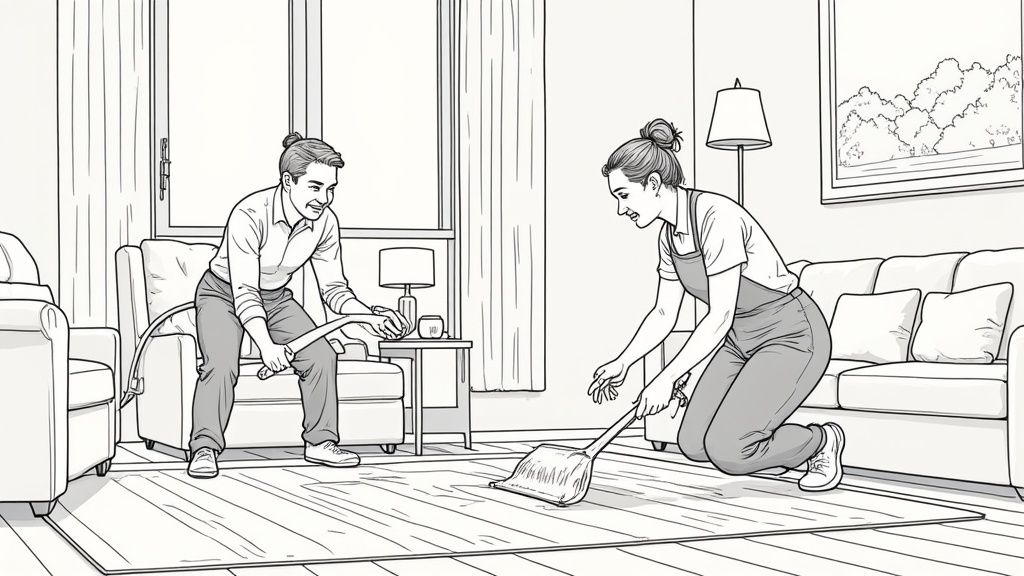
While a professional rug dry cleaning service is the ultimate way to deep clean and protect your precious textiles, what you do at home is just as vital. Think of regular home care as the perfect partner to a specialist clean; it keeps your rug looking fantastic and extends the time needed between professional visits.
It’s a bit like looking after a car. You take it for a professional service to keep the engine in top condition, but you still wash and care for it at home to keep it looking pristine. These simple, consistent habits are your first line of defence against everyday wear, ensuring your rug stays a beautiful centrepiece for years to come.
Master Your Vacuuming Technique
Regular vacuuming is without a doubt the most important thing you can do for your rug. It lifts away the abrasive grit and dust that, when trodden in, act like tiny blades cutting away at the delicate fibres. But not all vacuuming is the same—you need the right technique for your specific type of rug.
- For Low-Pile Rugs (e.g., flatweaves): Feel free to use a vacuum with the beater bar (the rotating brush) on. This will effectively agitate the surface and lift out embedded dirt.
- For High-Pile or Shaggy Rugs: It's crucial to always turn the beater bar off or use a suction-only attachment. A fast-spinning brush can easily snag and pull out the long fibres, causing damage that can't be repaired.
- For Delicate or Fringed Rugs: Never vacuum over the fringes. They can get tangled and torn in the machine. Instead, use a gentle upholstery attachment to clean them safely.
For more in-depth advice on looking after different types of flooring, you can find a wealth of information in our guide to essential carpet cleaning tips. The same principles often apply to keeping all your home's soft furnishings in great shape.
Act Fast on Spills
Accidents are bound to happen, but a quick response can stop a small spill from becoming a permanent stain. The moment something is spilt, you need to act. Gently blot the area with a clean, dry, white cloth—never, ever rub it. Work from the outside of the spill inwards to contain it and prevent it from spreading.
The golden rule for spills is to blot, not scrub. Rubbing a stain only pushes it deeper into the rug fibres and can damage the pile, making it much harder to remove later.
Rotate Your Rug for Even Wear
Most rooms have natural foot traffic patterns, meaning some parts of your rug will get more wear than others. To combat this and ensure it wears evenly, simply rotate your rug 180 degrees every six to twelve months. This easy step prevents one side from looking faded and worn while the other still looks new.
Finally, think about investing in a good-quality underlay. This is an often-overlooked accessory that acts as a protective shield between your rug and the floor. It not only stops the rug from slipping but also adds a cushioning layer that absorbs impact and reduces friction, which can significantly extend its life. These simple habits truly are the secret to long-lasting beauty.
Your Rug Dry Cleaning Questions Answered
Even with a good grasp of the process, it's natural to have a few lingering questions about professional rug dry cleaning. Getting clear, honest answers is the best way to feel confident about booking a service. We’ve put together some of the most common queries we hear to give you the essential information you need.
Think of this as your quick-reference guide. It’s designed to tackle those practical concerns, from cost to stain removal, helping you make the right choice for your rug's future.
How Much Does Professional Rug Dry Cleaning Cost in the UK?
The price for professional rug dry cleaning isn’t one-size-fits-all; it really depends on a few key things. The main factors are your rug’s size, its material, and how it was made. For instance, delicate natural fibres like silk or an antique wool heirloom will always be more expensive to clean than a tough synthetic rug because they demand specialist, gentle care.
Most companies will charge by the square metre. As a rough guide, you can probably expect the cost for a small to medium-sized rug to be somewhere in the £40 to £80 range. For larger rugs, intricate pieces like a Persian family treasure, or rugs with very heavy soiling, the price will naturally be higher. The best approach is to always ask for a firm, detailed quote after the technician has had a chance to inspect the rug in person.
Can Dry Cleaning Remove Every Type of Stain?
While dry cleaning is incredibly effective, it's not a magic wand for every single stain. Its real strength lies in tackling oil-based soils, grease, and the kind of general, dusty grime that builds up on fibres that can't handle water. This is where the method truly proves its worth.
However, some stains are just tougher nuts to crack. Certain water-based spills, like red wine or ink, can be notoriously difficult to shift once they've had time to set. By the same token, old, oxidised stains that have been sitting there for months or even years may have become a permanent part of the rug.
A reputable technician will always inspect any stains beforehand and give you an honest assessment of the likely outcome. Their goal is to manage your expectations and avoid any procedures that could risk damaging the rug.
How Often Should I Dry Clean My Delicate Rug?
The perfect cleaning schedule really comes down to your home environment and how much foot traffic the rug sees. For a delicate rug in a low-traffic spot, like a formal living room or a spare bedroom, having it professionally dry cleaned every 18 to 24 months is a solid rule of thumb.
But if your rug is in a busy area like a hallway or the family living room, or if you share your home with pets and children, you'll want to think about a more frequent schedule—perhaps every 12 months. Don't forget, consistent maintenance at home, like regular vacuuming and dealing with spills immediately, will go a very long way in stretching the time between professional cleans.
Are you ready to restore the beauty and freshness of your delicate rugs? The experts at AG Carpet Specialists provide exceptional rug dry cleaning services tailored to your item's specific needs. Contact us today for a free quotation and see the difference professional care makes.