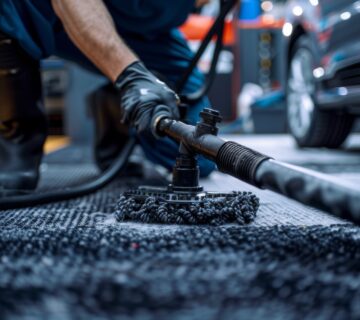
When it comes to keeping our homes truly clean, what lies beneath our feet often gets overlooked. Rug steam cleaning offers a way to tackle the hidden dirt, using high-temperature vapour to get deep into the fibres. It’s a powerful method that dissolves grime and can kill up to 99.9% of bacteria and allergens without relying on harsh chemicals. This isn't just about cleaning; it's about sanitising your rugs and creating a healthier home environment from the ground up.
Why Steam Cleaning Is a Game Changer for Your Rugs
More and more, homeowners are realising that a professional rug steam clean isn't just a luxury—it's a vital part of maintaining a hygienic living space. This shift comes from a deeper understanding of what "clean" really means. It’s not just about what you can see, but about tackling the microscopic nasties hiding deep within your rug's pile.
Your weekly vacuum does a great job on surface-level dust and crumbs, but it simply can’t reach the ground-in dirt, pollen, and stubborn allergens that build up over time. Steam cleaning is different. It uses hot vapour to penetrate deep into the fibres, loosening and flushing out all those trapped particles. The result? A rug that’s been rejuvenated from the inside out, with its texture and vibrant colours restored, and a noticeable improvement in your home's air quality.
Deeper Clean, Healthier Home
The benefits go far beyond just looking good. By getting rid of dust mites and other microbial threats, steam cleaning helps create a much safer space for everyone, particularly for children, pets, and anyone with allergies or respiratory issues.
This method also contributes to creating a hormone-healthy home, as it avoids the chemical residues that some other cleaning methods can leave behind. It offers genuine peace of mind. To see how steam cleaning stacks up against other techniques, take a look at our detailed guide to the different rug cleaning methods available.
Before you jump in, it's crucial to know if your rug's material can handle the heat. Some natural fibres, for example, are quite sensitive.
Here's a quick reference table to help you out.
Rug Material Suitability for Steam Cleaning
| Rug Material | Steam Cleaning Suitability | Important Considerations |
|---|---|---|
| Synthetic (Polyester, Nylon) | Excellent | Very durable and responds well to steam. Dries relatively quickly. |
| Wool | Caution Advised | Can be steam cleaned, but requires low moisture and temperature to prevent shrinkage or damage. Professional handling is best. |
| Cotton & Jute | Not Recommended | These natural fibres absorb a lot of water, leading to long drying times, potential browning, and fibre weakening. |
| Silk & Viscose | Not Recommended | Extremely delicate. The heat and moisture from steam can cause irreversible damage, colour bleeding, and texture loss. |
Always double-check your rug's care label if you're unsure. If in doubt, a professional assessment is your safest bet.
This move towards professional deep cleaning is a trend we're seeing across the UK. The cleaning industry, which includes services like ours, contributed a massive £59.8 billion to the UK economy in 2021. What's really interesting is that 40% of people under 35 now hire professional cleaners, showing just how much younger generations value expert help in maintaining their homes.
Getting Your Rug Ready for a Deep Clean
As any professional will tell you, the secret to a fantastic rug steam cleaning result isn't in the steaming itself, but in the prep work. If you skip these initial steps, you simply won't get that deep-down clean you’re looking for. It’s about much more than just moving the coffee table.
Before you even fill the steamer, you need to give the rug a really thorough vacuum. This isn't your quick Tuesday-night once-over. Get the crevice tool out and work along all the edges. Then, using a beater bar if your rug can handle it, go over the main surface to pull up all that loose dirt, dust, and pet hair. Clearing this surface debris is what allows the steam to really get into the fibres where the stubborn, ground-in dirt lives.
Protecting Your Rug and Targeting Stains
Next, a quick colourfastness test is an absolute must. Trust me, this tiny step can prevent a complete disaster. Just dampen a clean, white cloth with a little of your cleaning solution (or even just hot water if you're going chemical-free) and gently blot an inconspicuous part of the rug. A spot under the sofa is perfect for this. If you see any dye on the cloth, steam cleaning could make the colours run.
Once you know your colours are stable, it’s time to pre-treat any obvious stains. Different marks need different solutions, so don't just use one product for everything.
- Coffee or Tea Spills: Try blotting the area with a simple mix of white vinegar and water.
- Pet Accidents: For these, you’ll need a proper enzymatic cleaner that’s designed to break down the specific proteins in pet stains.
- Greasy Marks: A bit of mild washing-up liquid diluted in water can often cut through the grease and lift the residue.
By tackling these jobs beforehand, you ensure the steam cleaner can work evenly across the entire rug, delivering a consistent, deep clean without being hindered by stubborn surface issues.
Taking the time to clean rugs properly has become a huge focus for homeowners, and it's a cornerstone of the professional cleaning world. In fact, carpet and rug services are the biggest slice of the UK's general building cleaning market. The industry's revenue was projected to reach about £9.4 billion in 2024, which just shows how much people value getting it right. You can read more on UK cleaning industry trends at IBISWorld.
Your Guide to the Steam Cleaning Process
With your rug all prepped, it’s time to get down to the main event. The actual rug steam cleaning might seem like the most intimidating part, but once you get the technique down, it's incredibly satisfying to see the results. The secret is to be slow, steady, and methodical.
First, let's talk about the cleaning solution itself. While many machines do a decent job with just hot water, a quality, eco-friendly cleaning solution can make a world of difference, especially on rugs that have seen better days. Always stick to the manufacturer’s instructions for the right ratio of solution to water. If you add too much, you can end up with a sticky residue that just attracts more dirt later on.
Mastering the Technique
Your technique really is everything. I always tell people to think of it like mowing a lawn; you want to work in straight, slightly overlapping lines to make sure you cover every single fibre.
A simple but crucial tip is to start in the corner of the room furthest from the door. This way, you won't have to walk over your freshly cleaned, damp rug to get out.
Move the machine forward slowly as it releases the hot water and solution, then pull it back just as slowly. This allows the powerful suction to extract all that dirty water. Rushing this step is a common mistake that leaves you with an overwet rug. You have to give the machine time to do its job properly.
The real magic happens on the backward pass. This is when the machine’s suction pulls out all the dissolved dirt and excess moisture, which is absolutely critical for helping your rug dry as quickly as possible.
This visual breaks down the core stages, from the initial vacuuming right through to the final drying period.
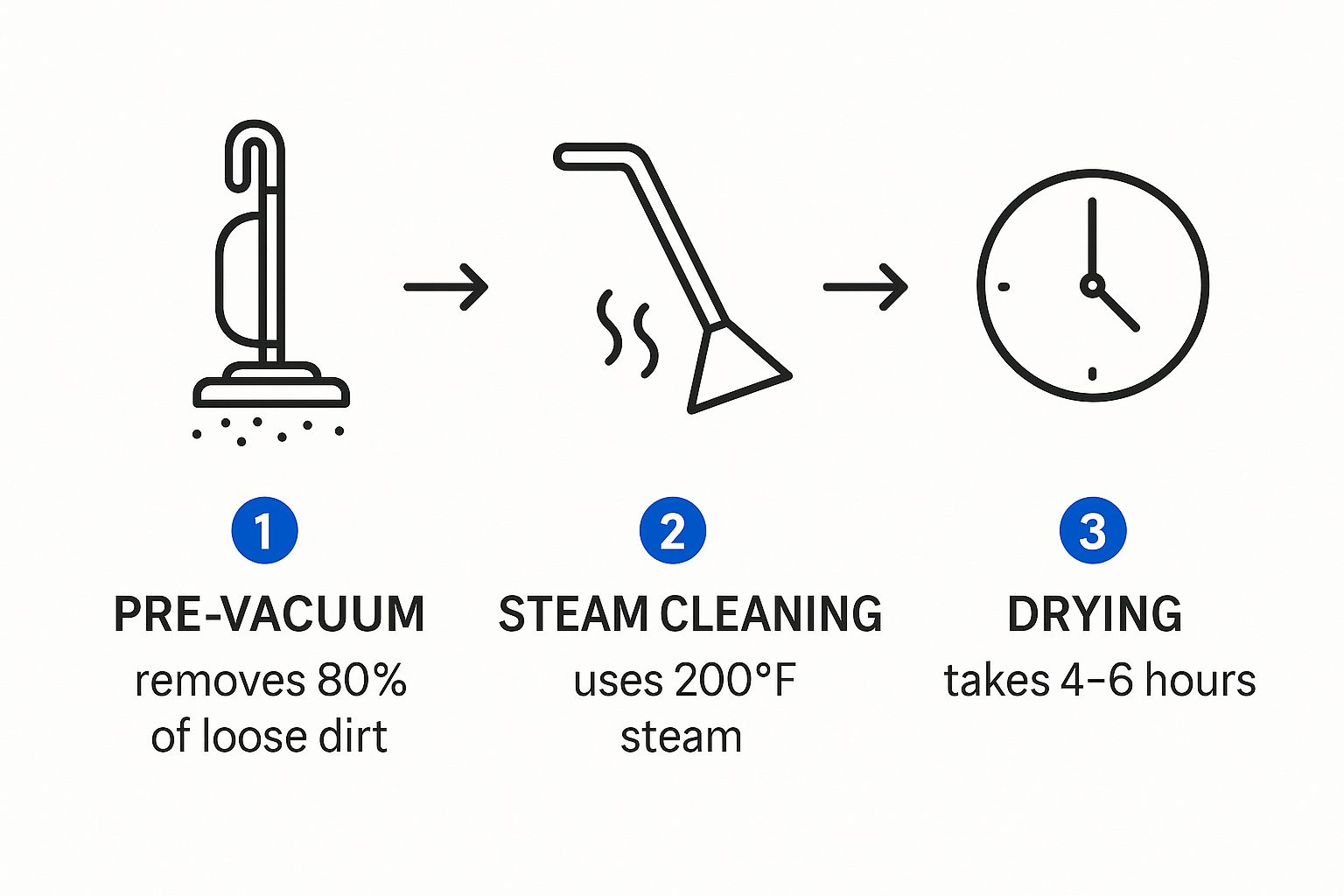
As you can see, getting rid of that first 80% of loose dirt is what lets the high-temperature steam get deep into the fibres and tackle the properly embedded grime.
Final Considerations
The demand for proper deep cleaning has really grown, especially here in the UK. In fact, Europe holds around 34% of the global market for carpet and upholstery cleaning. This is driven by things like stricter rules on chemicals and a bigger focus on home hygiene. You can see more data on the carpet cleaning services market on futuremarketinsights.com.
As you work, you’ll see the dirty water being collected in the machine’s tank, which is the best visual confirmation that the process is working. Once you’ve covered the entire rug, you’re ready for the final, crucial drying stage.
For more in-depth advice on similar jobs, have a look at our guide on how to deep clean carpets at home.
Drying and Finishing Touches for Your Rug
Right, the steam cleaner is off, but the job isn't quite done. The drying stage is just as critical as the cleaning itself. If you get this part wrong, you could end up with musty smells or even mildew, which completely undoes all your hard work. The key to success here is proper air circulation.
Get the windows and doors open to create a good, natural cross-breeze. To really speed things up, place a couple of fans around the rug. Point them across the surface, not directly down at it—this helps to whisk the evaporating moisture away far more effectively.
If you happen to have a dehumidifier, now is its moment to shine. Running one in the same room can slash the drying time, which is a massive help, especially on a damp British day.
Restoring the Rug’s Texture
Here’s a little professional trick for when the rug is still slightly damp: you can restore that lovely soft, fluffy texture. Gently groom the pile in one direction using a soft-bristled brush. This simple step helps lift the fibres and stops them from matting down as they dry. It makes a huge difference to the final look and feel of your rug.
The main goal is to get the rug dry as quickly as is safely possible. While a rug might feel dry to the touch in a few hours, it can often take up to 24 hours for the backing and underlay to dry out completely.
It’s always best to keep off the rug and wait a full day before moving any heavy furniture back on top. This patience ensures everything is thoroughly dry and you won’t cause any damage. For more detailed advice, you can learn about the best way to dry carpet after cleaning in our dedicated guide.
Common Rug Steam Cleaning Mistakes to Avoid
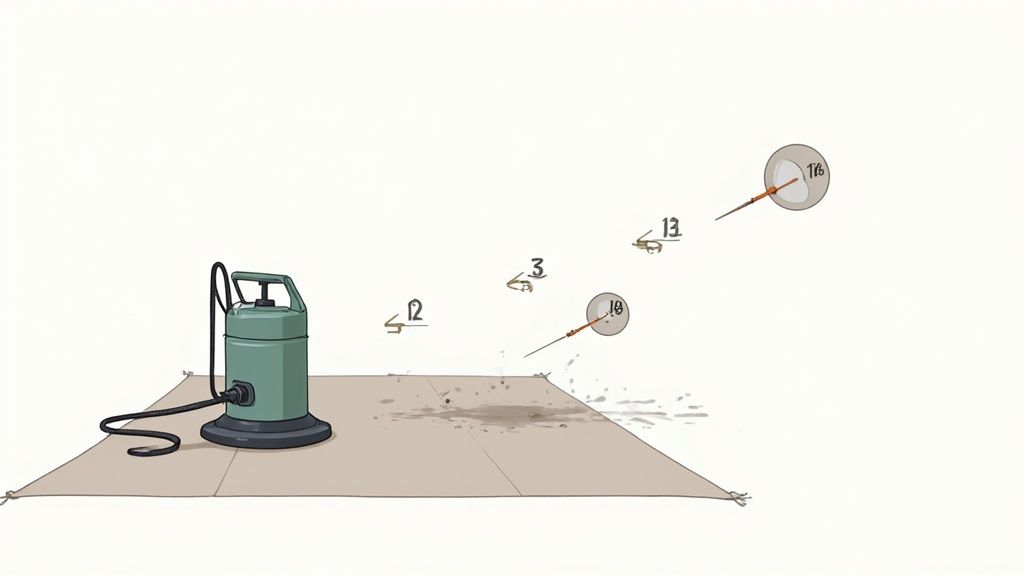
Tackling a DIY rug steam cleaning project is a great idea, but a few common slip-ups can easily turn a good intention into a costly problem. I've seen it happen many times. Learning from these frequent mistakes will save you time, frustration, and maybe even your rug itself. Getting that professional, fresh-from-the-cleaners result is all about sidestepping these pitfalls.
One of the biggest errors I see is using far too much cleaning solution. It’s a classic case of thinking "more is better," but with rugs, it's the opposite. Drenching your rug in detergent might feel like you’re getting a deeper clean, but it almost always leaves behind a sticky, soapy residue. This residue is a magnet for new dirt, meaning your rug gets grimy again much faster than it should.
Overwetting and Aggressive Scrubbing
Another critical mistake is overwetting the rug. This usually happens when you move the machine too fast or don't use the suction function properly on the backward pass. When too much moisture soaks through the rug’s fibres, it can damage the backing, leading to warping or even causing the layers to separate. Worse, the damp can seep into the floor underneath, risking damage to your hardwood or subflooring and creating the perfect environment for mould and mildew to grow.
Similarly, please resist the temptation to scrub aggressively with the machine. A steam cleaner is designed to let the hot vapour and gentle agitation do the heavy lifting for you.
- Aggressive Scrubbing: This can easily fray and damage delicate rug fibres, especially on wool or antique textiles.
- Correct Technique: The key is to use slow, deliberate passes. This gives the steam enough time to penetrate and dissolve the dirt effectively.
Remember, the machine's power comes from steam and suction, not brute force. Damaging the pile is irreversible and can ruin the rug’s texture and appearance for good. Trust the process and let the equipment work as it was designed to.
Skipping the initial colourfastness test is another gamble you just shouldn't take. Imagine finishing your clean only to discover the vibrant red in your Persian rug has bled into the cream-coloured sections. A quick, simple test on a hidden corner prevents this kind of catastrophe.
Finally, a crucial part of maintenance is knowing the right cleaning schedule for your home. To get a better idea of what's right for your situation, you can read our guide on how often to clean carpets. Avoiding these common blunders is the secret to making your rug steam cleaning efforts a real success.
Frequently Asked Questions About Rug Steam Cleaning
Even with the best plan, it’s natural to have a few questions before you get started with rug steam cleaning. We get asked all sorts of things by our clients, so we've put together some clear, straightforward answers to the most common queries. We want you to feel completely confident about the process.
How Often Should I Steam Clean My Rugs?
This is easily the question we hear most often. For a typical home, we generally recommend a professional steam clean once every 12 to 18 months. This rhythm is usually perfect for keeping your rugs looking fresh and feeling hygienic underfoot.
However, life isn't always typical. If your home sees a lot of action—think heavy foot traffic, pets leaving their furry calling cards, or family members with allergies—you’ll want to be a bit more proactive. In these situations, stepping up the cleaning to every 6 to 12 months is a much better approach to maintain great air quality and keep allergens at bay.
Can I Just Use Water in My Steam Cleaner?
Yes, you certainly can! Using just hot water vapour is a fantastic, chemical-free way to give your rug a light refresh, especially if it isn't heavily soiled. It's a brilliant maintenance trick. For anyone keen on green cleaning, we’ve actually put together a full guide on eco-friendly rug cleaning methods that you might find really helpful.
When you’re facing something tougher, like greasy marks or stubborn, ground-in dirt, adding a manufacturer-approved, pH-neutral cleaning solution is the way to go. It gives the steam that extra muscle needed to break down and lift away the grime.
Key Takeaway: The main difference between steam cleaning and shampooing is the method and moisture level. Steam cleaning uses high-temperature vapour to loosen dirt with minimal water, resulting in much faster drying times. Shampooing, on the other hand, uses more water and detergent, which can sometimes leave a soapy residue if not rinsed out completely.
This is a crucial point because a quicker drying time is vital for preventing mildew and getting your space back to normal. Deciding which method is best often comes down to your rug's material and just how dirty it is.
Ready to see what a professional touch can do for your rugs? The team at AG Carpet Specialists uses state-of-the-art equipment and eco-friendly solutions to restore your rugs safely and effectively. Contact us for a free, no-obligation quote at https://www.agcarpetspecialist.co.uk.