Think of a quality stain protector for carpet as an invisible raincoat for your floors. It's a clever treatment that creates a microscopic barrier around each individual fibre, stopping spills from soaking in straight away and causing a permanent disaster. It literally buys you precious time to get to the mess before it sets.
The Invisible Shield for Your Carpet

Picture it: your lovely living room carpet facing its daily enemies. A tipped-over glass of red wine during a get-together, muddy footprints tracked in from the garden, or a dropped bowl of spaghetti bolognese. Without any protection, these liquids dive deep into the fibres, creating stubborn, ugly stains that can be a nightmare to get out.
A stain protector for carpet is your first line of defence in these everyday battles. It acts like an invisible shield, coating every single strand of your carpet with a liquid-repellent layer. Now, this doesn't make your carpet completely waterproof, but what it does do is dramatically slow down how quickly liquids are absorbed.
How This Protective Barrier Works
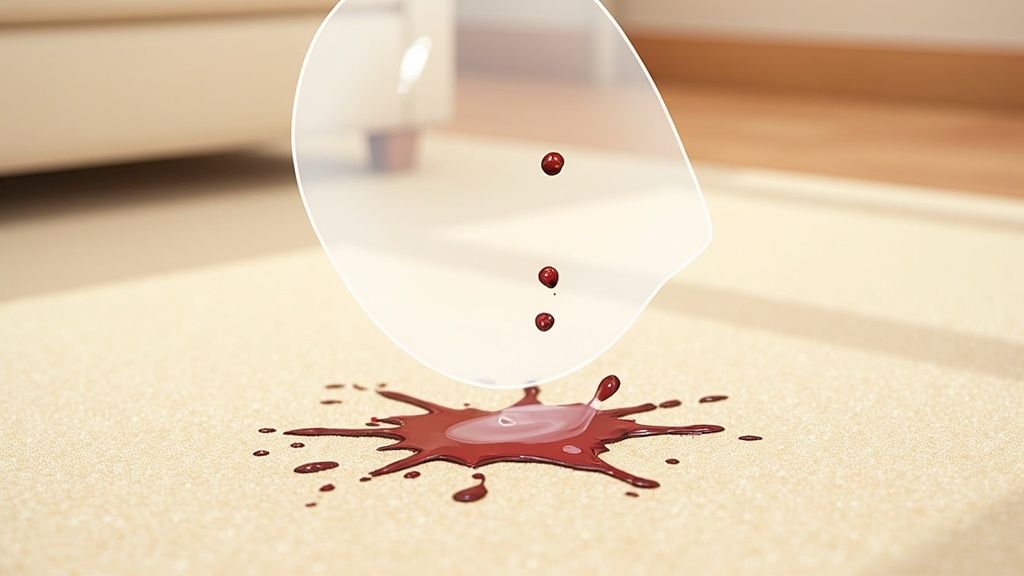
Instead of instantly soaking in, liquids like coffee or juice will bead up on the surface, almost like raindrops on a freshly waxed car. This simple but incredibly effective action gives you a critical window of opportunity. You can grab a cloth and blot the spill away before it has a chance to bond with the carpet fibres and leave a lasting mark.
This proactive approach is really a cornerstone of modern carpet care. It's not about trying to make your flooring indestructible, but about giving you a serious advantage against those inevitable accidental spills.
And it’s clear that homeowners are catching on. The European market for carpet stain removers and protectors was valued at around $2.5 billion in 2025 and is set to grow by about 5% every year. This trend really shows how many people now see protection as a must-have, not just a nice-to-have. You can read more about the carpet care market trends to see how the industry is growing.
A stain protector doesn't just guard against future accidents; it also makes your routine vacuuming more effective. By preventing dirt and dust from clinging so tightly to the fibres, it allows your vacuum to lift away more debris, keeping your carpet looking and feeling cleaner for longer.
At the end of the day, using a stain protector is an investment in your carpet’s future. It helps maintain its appearance and longevity, ensuring it remains a beautiful centrepiece in your home for years to come.
How Stain Protectors Actually Repel Spills
Ever wondered what’s really happening on a microscopic level when you use a stain protector for carpet? It’s not magic, but it is some pretty clever science. This invisible shield relies on two main types of technology, each working in a slightly different but equally effective way to guard your floors.
Understanding how they work helps you appreciate just how powerful this protection is. The two most common active ingredients are fluoropolymers and silicones, and each one creates a unique kind of barrier on the carpet fibres.
The Power of Fluoropolymers
Think of fluoropolymers as creating a tiny, low-energy forcefield around every single fibre of your carpet. It works a bit like trying to push two opposing magnets together—they actively repel each other. When a spill happens, this low surface energy stops the liquid from being able to "grip" onto the carpet.
As a result, both oily spills (like salad dressing) and water-based messes (like coffee or juice) get pushed away. The liquid simply can’t spread out and soak in, which is why it beads up so neatly on the surface, just waiting for you to come along and blot it away.
This is a great illustration of how spills react when they land on a treated carpet.
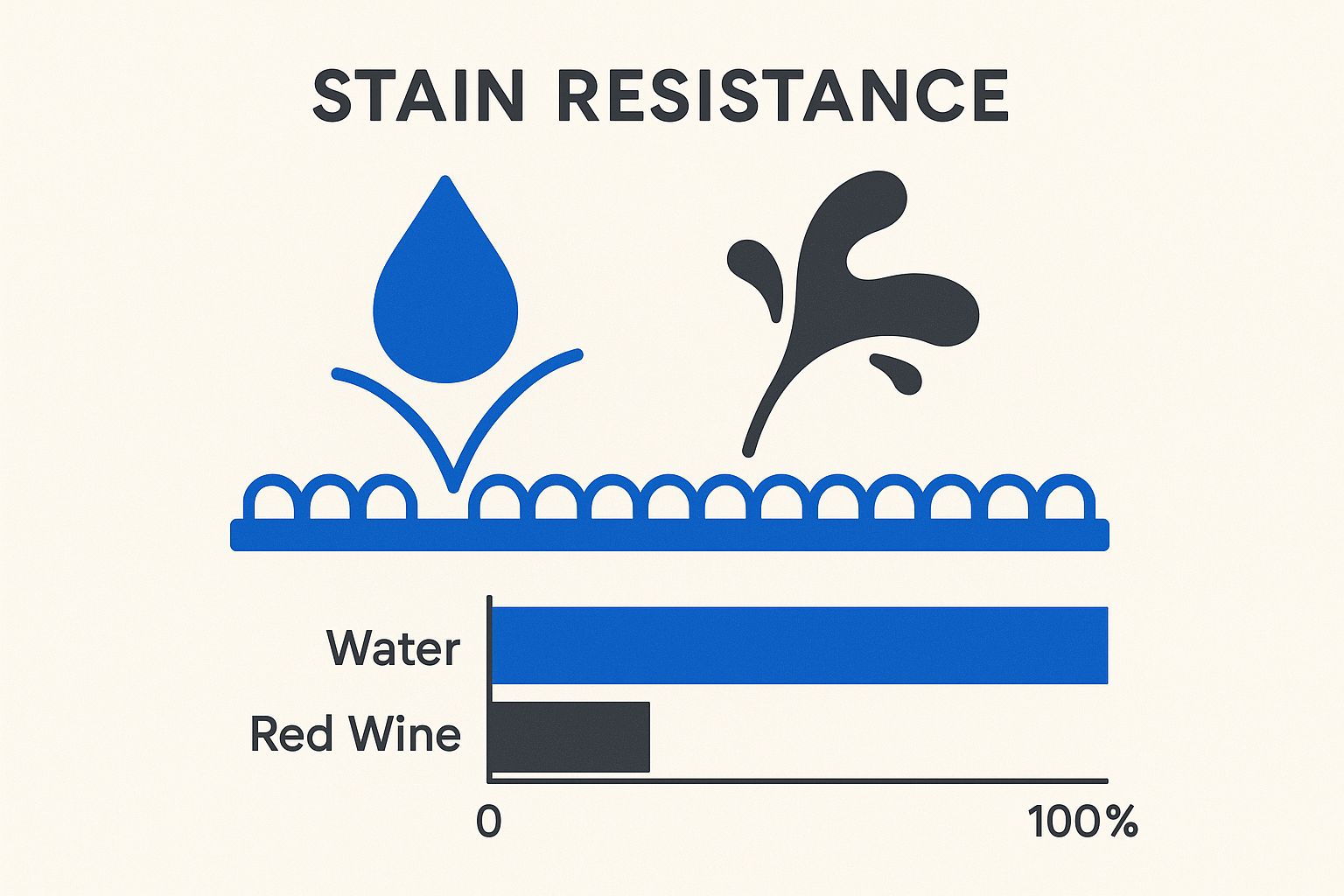
You can see how the protective layer forces liquids like water and wine to form droplets instead of absorbing, giving you that crucial window of time to clean up.
The Slickness of Silicones
Silicone-based protectors take a slightly different approach. Imagine a freshly waxed car caught in a rain shower; the water just slides right off. Silicones create a very similar effect on your carpet, forming an incredibly slick, smooth coating over the fibres.
This ultra-smooth surface makes it nearly impossible for liquids to get a foothold. Instead of soaking in, the spill is forced to bead up and can even roll right off, especially on denser, low-pile carpets. This type of protector is brilliant against water-based stains.
To make it even clearer, let's break down the key differences between these two technologies.
Comparing Stain Protector Technologies
| Technology | How It Works (Analogy) | Best For Repelling | Durability | Common Application |
|---|---|---|---|---|
| Fluoropolymer | Like two opposing magnets, it actively repels liquids from the fibre. | Both water-based and oil-based spills. | Very high, bonds strongly to fibres. | Factory-applied treatments & professional sprays. |
| Silicone | Like a freshly waxed car, it creates a slick surface that liquids can't grip. | Primarily water-based spills. | Good, but may wear faster in high-traffic areas. | Aftermarket sprays and some professional treatments. |
Ultimately, both technologies are designed to do one thing: stop a spill from becoming a stain.
Key Takeaway: Whether through active repulsion or by creating a slick surface, the goal of a stain protector is the same. It is designed to interrupt the absorption process, turning a potential permanent stain into a simple, manageable cleanup job.
No matter which technology is used, the protector needs a clean, dry surface to bond properly. For the best result, especially before a DIY application, making sure the carpet is completely free of moisture is vital. Understanding the best way to dry carpet after cleaning can make a massive difference in how effective your stain protector is. This prep work ensures the protective chemicals can adhere directly to the fibres for maximum performance and durability.
Choosing the Right Protector for Your Home
Picking the perfect stain protector for your carpet can seem daunting, but it really just comes down to matching the product to your home and lifestyle. You've got two main options: professional-grade treatments applied by experts, or do-it-yourself (DIY) sprays you can pick up from most shops. Each has its own strengths and is designed for different situations.
Professional applications, without a doubt, offer a more durable and deeply penetrating barrier. A technician uses high-pressure gear to make sure every single fibre gets an even coating, creating a tough, long-lasting shield. This is often the best route for new or particularly expensive carpets where you want the absolute best protection possible.
On the other hand, DIY sprays are brilliant for their convenience. They're perfect for smaller areas, single rooms, or for giving your protection a little boost between professional cleans. While they're a cost-effective way to add a layer of defence, you'll likely need to reapply them more often, especially in those high-traffic spots.
Key Questions to Ask Yourself
Before you decide, take a moment to think about your home environment. A few simple questions will guide you towards the ideal solution.
- Do you have pets or young children? A home bustling with kids and pets is a prime candidate for accidental spills. If that sounds like your house, a heavy-duty, professionally applied protector is going to give you the most resilient defence.
- What type of carpet do you have? Natural fibres like wool need a bit of special attention and really benefit from protectors made just for them. Synthetic carpets, like nylon or polyester, are much more forgiving and work well with a whole range of products, including many DIY sprays.
- How much foot traffic does the area get? Think about your hallways, living room, and stairs. These areas get constant use, which wears down protectors much faster. For these zones, investing in a durable, professional-grade product is a very smart move.
Prioritising Health and Air Quality
Beyond just performance, the chemicals in the protector are a huge factor, especially when it comes to the air quality inside your home. Always be on the lookout for formulas that are clearly labelled as pet-safe and eco-friendly.
It's vital to choose a product with low or zero Volatile Organic Compounds (VOCs). VOCs are chemicals that can evaporate into the air and potentially cause health issues, so a low-VOC formula is key to keeping your home healthy for everyone inside.
This is particularly important in modern, well-insulated homes where air doesn't circulate as freely. The good news is that demand for safer products is on the rise. In the UK, the market for carpet care products is growing, partly due to busy urban lifestyles and a big increase in pet ownership, which naturally pushes the need for effective yet safe stain protectors. You can find more details about the UK carpet care market on lucintel.com.
At the end of the day, the right stain protector is the one that fits your family's daily life, your carpet's material, and your desire for a healthy living space. And don't forget, even the best protector can't stop every single spill from becoming a challenge. For those moments, knowing how to remove stubborn carpet stains is an essential skill to have in your back pocket.
Applying Carpet Protector for a Flawless Finish

Putting down a stain protector for carpet is a fairly straightforward job, but doing it right is what makes all the difference. Get it right, and you create a flawless, invisible shield. Whether you're tackling it yourself with a spray can or calling in the pros, the basic steps are always the same: prep, apply, and cure. A successful application gives you that even coverage you need for maximum effectiveness, turning your floor into a spill-defying surface.
Think of it like painting a wall. You wouldn't just slap a coat of paint onto a dusty, unprepared surface and expect a perfect finish, would you? The same logic applies here. Good prep is the foundation of long-lasting protection.
The Preparation Stage
Before you even think about opening that bottle of protector, your carpet needs to be spotlessly clean. Any dirt, dust, or old residue left behind will stop the product from properly bonding with the carpet fibres, and that seriously reduces how well it works.
Start with a really thorough vacuuming. Go over the entire area a few times to lift as much dry soil as you can. This is also the moment to deal with any existing spots or stains. For protection to work, you absolutely need a clean slate. If you're looking to do a proper job yourself, knowing how to deep clean carpets at home is a vital first step.
Application and Curing
Once your carpet is clean and totally dry, it's time for the main event. If you’re using a DIY spray, the golden rule is light, even coats. Hold the can or sprayer about 30-45 cm from the carpet and work in a methodical, overlapping pattern—go north to south first, then east to west. This simple technique helps you avoid patchy spots and stops you from over-saturating the carpet, which can leave it feeling stiff.
Crucial Tip: Always do a small patch test in a hidden area first, like inside a cupboard or under the sofa. This just confirms the product won't cause any discolouration before you commit to the whole room.
After the application comes the most important—and most often forgotten—step: curing. The protector needs time to dry and actually bond with the fibres. This process can take anywhere from 2 to 6 hours, depending on the product and how well-ventilated your home is. During this window, you have to keep all foot traffic, pets, and children off the treated area. If you rush this stage, you'll ruin the protective barrier before it’s even had a chance to set up.
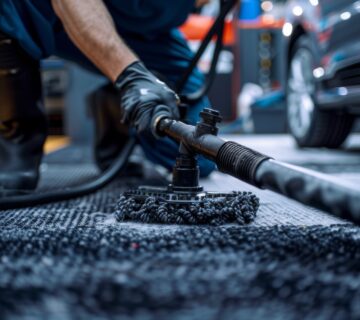
If you opt for a professional service, the whole thing is much more efficient. Technicians use specialised gear to apply the protector perfectly evenly and often have tools to speed up the drying time. They'll give you clear instructions on when it’s safe to walk on the carpet again, ensuring a perfect, durable finish every time.
Maintaining Your Carpet's Protective Shield
Putting a stain protector on your carpet is a brilliant first step, but it’s crucial to know that this invisible shield doesn’t last forever. The best way to think of it is like putting sunscreen on – it works wonders, but you have to reapply it to keep the protection going. Day-to-day life is what gradually breaks it down.
The biggest factor is simple foot traffic. Every time someone walks across the carpet, it causes a tiny bit of wear on the protective layer. This effect is most noticeable in the busiest parts of your home, like hallways, doorways, and the well-trodden paths through your living room. Even regular vacuuming and cleaning, which are essential for carpet care, play a part in slowly wearing away the treatment.
A Practical Maintenance Schedule
So, how do you keep that shield strong? A simple, consistent plan is all you need to make sure your carpet is always ready to fend off those accidental spills.
- High-Traffic Areas: For the busiest spots, it’s a good idea to have the protector reapplied every 12 to 18 months. Staying on top of this keeps your most vulnerable areas covered.
- After Professional Cleaning: The perfect time for a top-up is right after a professional deep clean. The cleaning process strips away any old, worn-out protector, giving us a fresh surface to work with. This ensures the new layer bonds perfectly with the carpet fibres for maximum effect.
This kind of proactive care is becoming more and more popular. The global market for flooring and carpets is expected to hit over $327 billion by 2025, with UK homeowners showing a real appetite for stain-resistant options that make life easier.
The Golden Rule for Spills: If a spill happens on a protected carpet, remember one thing: blot, don't rub! Rubbing is the worst thing you can do, as it can fray the carpet fibres and push the stain right through the protective barrier. A gentle blotting action will soak up the liquid without ruining the shield.
Best Practices for Upkeep
Looking after your carpet between professional treatments is just as important. Regular vacuuming is your best friend, as it gets rid of the gritty dirt particles that act like sandpaper on the protector.
Even with a great protector, you'll still need to do a bit of spot cleaning now and then. When you do, reach for gentle, pet-safe cleaning products. They'll keep your carpet looking immaculate without damaging the protective layer or posing a risk to your furry family members.
For more handy, everyday advice, our guide offers plenty of other expert carpet cleaning tips to see you through any little mishap. By understanding how the protector works and sticking to a straightforward maintenance plan, you can keep your carpet looking fantastic for years to come.
Common Questions About Carpet Stain Protectors
Even when you know what a stain protector for carpet is supposed to do, it’s completely normal to have a few questions before you commit. Treating your carpets is an investment, after all, and you want to be sure you're making the right choice for your home.
We’ve pulled together the most common queries we hear from our customers to give you clear, straightforward answers. From safety to application, here’s everything you need to know to feel confident.
Are Stain Protectors Safe for Pets and Children?
This is usually the first question on any family's mind, and the answer is a big, reassuring yes. The vast majority of modern, high-quality stain protectors are designed to be completely safe for both children and pets once they have fully dried and cured.
Reputable brands make safety a priority, creating non-toxic formulas with low or zero VOCs (Volatile Organic Compounds). The golden rule is simply to follow the instructions from your professional technician. This means keeping everyone—including your four-legged family members—off the treated carpet until it's totally dry. This curing period is crucial, as it allows the protector to bond properly to the fibres and become inert.
If you have pets, you can find more tips in our guide to pet-friendly carpet cleaning.
Can I Apply a Protector to an Old Carpet?
Absolutely! Applying a stain protector to an older carpet is a fantastic way to give it a new lease of life and bring back its defences against everyday spills and grime. Over the years, any factory-applied treatment will have worn away, leaving the fibres vulnerable. Reapplying a protective shield can make a huge difference and help you get more years out of it.
There's one crucial first step, though: the carpet must be professionally deep cleaned before treatment. Trying to apply a protector over years of built-up dirt and oils is like waxing a dirty car—it just won’t stick properly. A deep clean gives the protector a fresh surface to bond to, ensuring it works as it should.
It's a common myth that protectors are just for new carpets. In truth, they are one of the best ways to preserve the look and feel of your existing carpets, protecting your investment for longer.
Will a Stain Protector Make My Carpet Feel Stiff or Sticky?
When applied correctly, a quality stain protector for carpet should be completely unnoticeable. You won't feel a thing. The technology works on a microscopic level, forming an invisible shield around each fibre without changing the soft texture you love.
If a carpet ever feels stiff, sticky, or even a bit crunchy after a treatment, it's almost always down to one of two things:
- Over-application: Way too much product was sprayed on, causing it to clump up on the fibres instead of bonding to them.
- Uneven Coverage: The protector wasn't applied evenly, leaving concentrated wet patches that couldn't cure properly.
This is exactly why a professional application makes all the difference. Technicians use specialised equipment to apply a fine, even mist across the entire surface, guaranteeing a perfect finish you can't see or feel.
How Do I Know When It Is Time to Reapply?
The protection on your carpet wears down gradually with foot traffic, so how do you know when it’s time for a top-up? Luckily, there’s a really simple test you can do yourself.
Just perform the "water drop test." All you need to do is sprinkle a few small drops of water onto a high-traffic area, like the main walkway through your living room.
- If the water beads up: Great news! The protector is still doing its job.
- If the water soaks in quickly: The protective barrier has worn away, and it’s time to get it reapplied.
As a general rule, we recommend reapplying a stain protector every 12 to 18 months, especially in busy homes. It’s also a smart move to have it done after every professional deep clean to keep your carpet fully defended.
At AG Carpet Specialists, we use premium, eco-friendly protectors to ensure your carpets stay beautiful and resilient. https://www.agcarpetspecialist.co.uk